
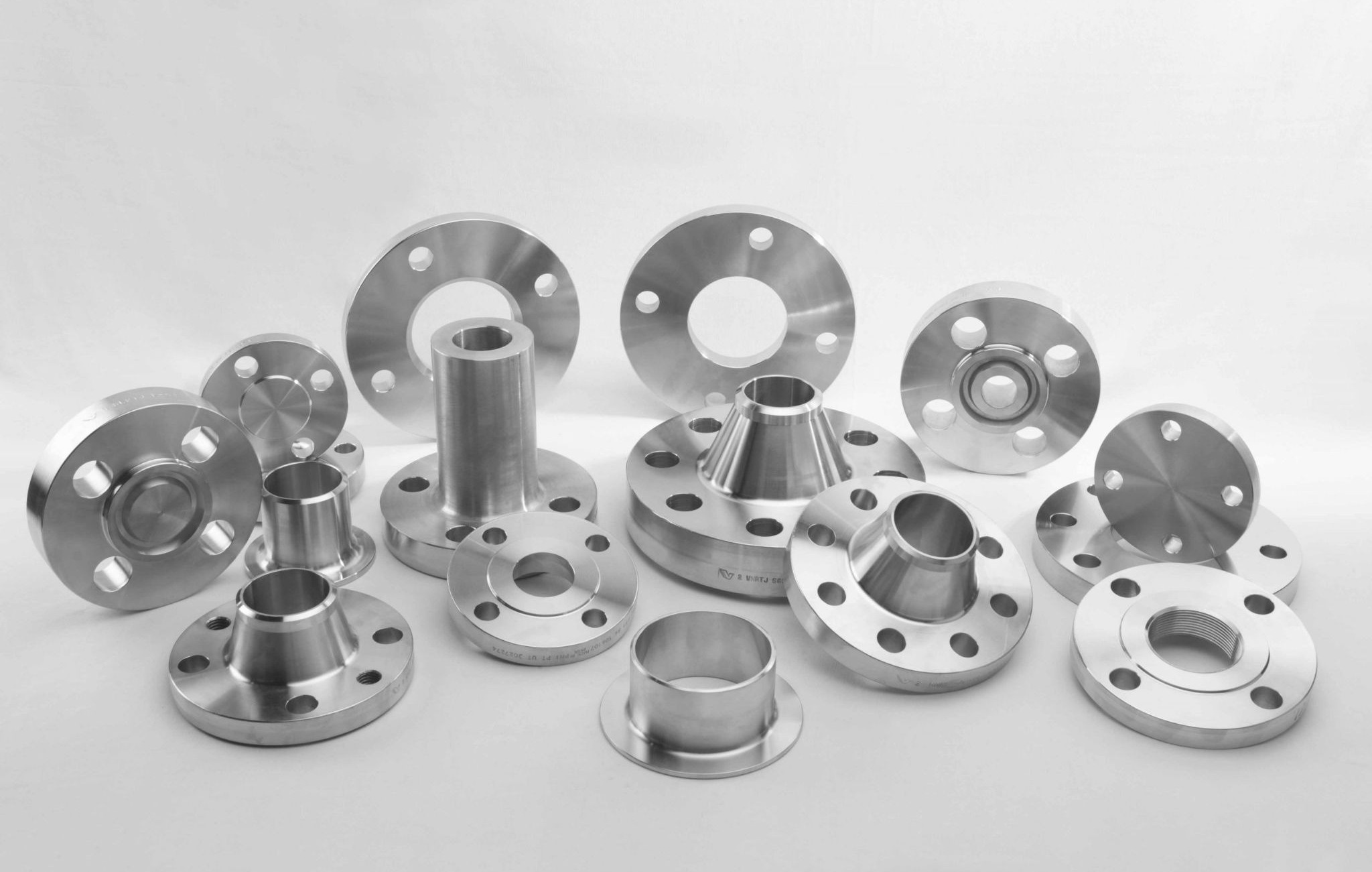
Stainless Steel Flanges are an important part of industrial piping systems where pipes, valves, pumps, vessels, and other equipment need secure and serviceable connections. For customers in Mumbai, selecting a flange is rarely just about matching the nominal pipe size. Pressure conditions, operating temperature, fluid characteristics, flange facing, material grade, dimensional standard, and the way the joint will be installed can all influence the final choice.
This becomes particularly important in industries where piping systems operate continuously or handle corrosive process media. Stainless steel is widely selected because different grades can provide useful combinations of corrosion resistance, mechanical strength, fabrication capability, and durability. However, the stainless steel grade should still be matched to the actual operating environment rather than selected simply because it is commonly available.
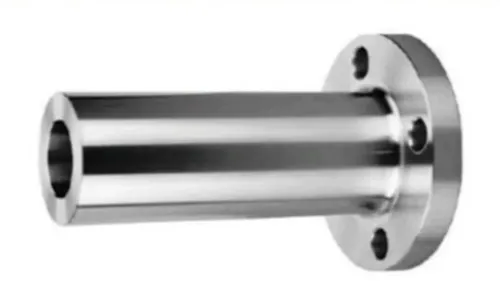
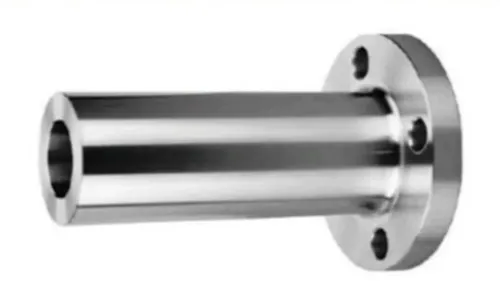
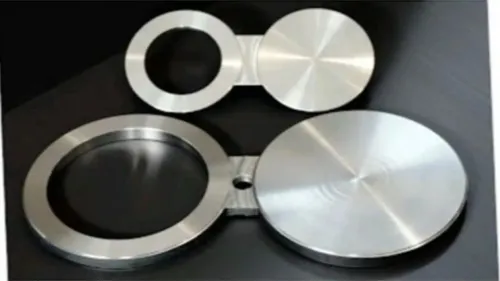
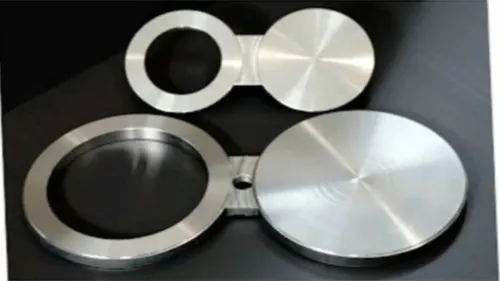
One of the first decisions buyers need to make is the type of stainless steel flange required. Common configurations include Slip On Raised Face or SORF flanges, Weld Neck Raised Face or WNRF flanges, Blind Raised Face or BLRF flanges, Socket Weld Raised Face or SWRF flanges, and Lap Joint flanges. Each design serves a different installation or operating requirement.
Why does the flange type matter so much? A weld neck flange, for example, is generally considered for demanding piping services where stress distribution and a welded connection are important. Slip-on flanges may suit applications where straightforward installation is preferred. Blind flanges are designed to close or isolate piping ends, while socket weld configurations are commonly associated with smaller-bore piping systems.
Another point buyers often overlook is the flange face. Raised face, flat face, ring-type joint, and other facing arrangements are not interchangeable choices made purely on preference. The mating flange, gasket arrangement, pressure class, and applicable piping specification all need consideration.
For Mumbai’s engineering, processing, fabrication, and industrial procurement market, specifying the requirement clearly can reduce unnecessary back-and-forth during sourcing. A useful enquiry normally includes flange type, nominal size, pressure class, stainless steel grade, applicable standard, facing, quantity, and any project-specific documentation requirements.
Chirag Steel supports customers looking for stainless steel flanges in Mumbai for industrial and engineering requirements. Proper product selection starts with understanding where and how the flange will be used, rather than treating every stainless steel flange as the same component.
The practical takeaway is simple. A stainless steel flange should not be chosen from size alone. Consider the complete joint and its operating environment. Correct selection can support appropriate sealing, convenient maintenance, and dependable piping performance over the intended service period.
For Stainless Steel Flanges in Mumbai, share your required size, grade, flange type, pressure class, quantity, and application details to discuss your industrial requirement.