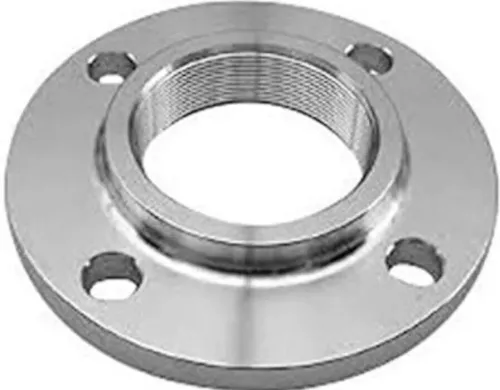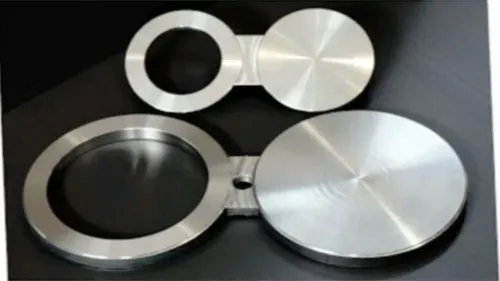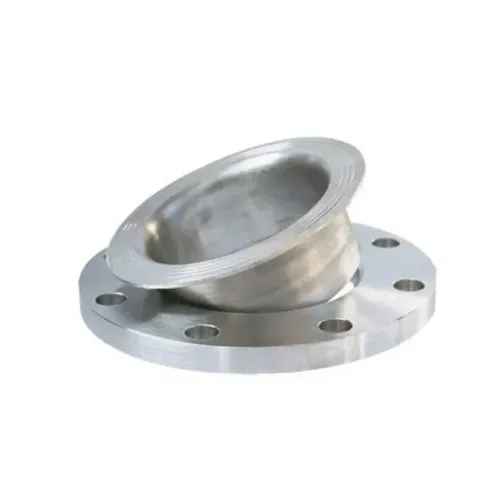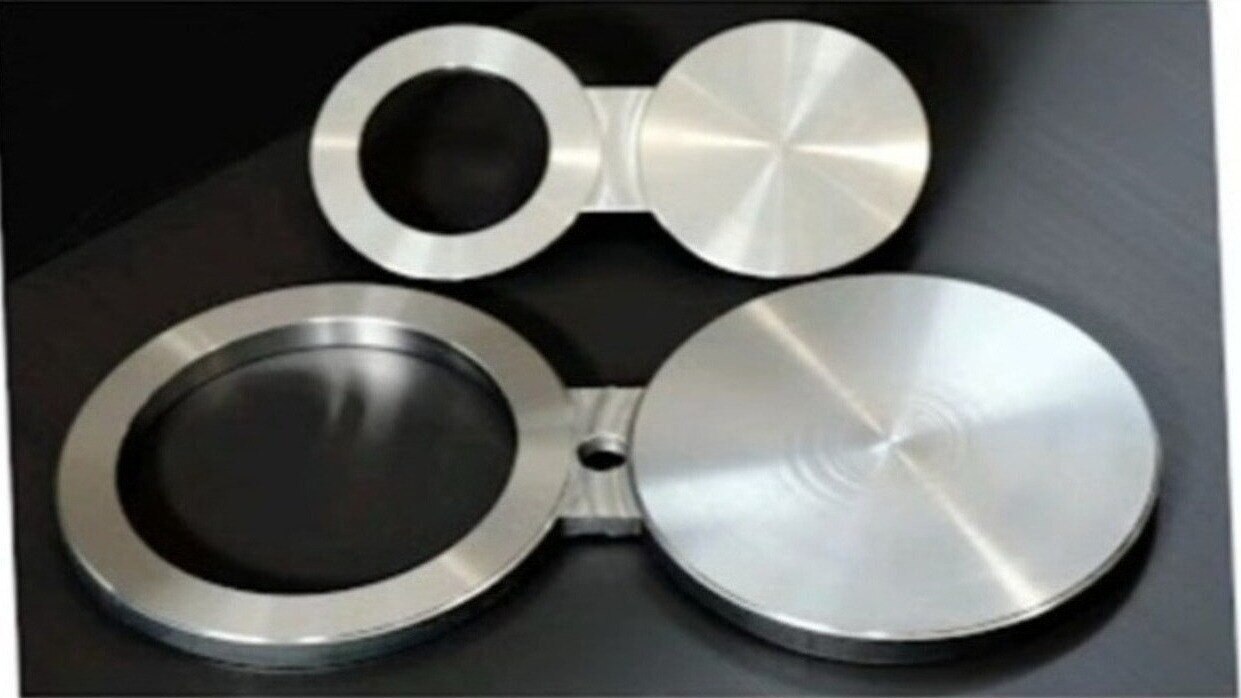
An export flange order can fail even when the alloy and nominal size look correct: the bore, drilling, facing, pressure designation, and mating standard must all agree. Use the selection framework below to compare 304L and 316L, specify the extended neck accurately, and send a quotation request that leaves no dimensional or documentation gap.
Key takeaways
- Specify material grade, standard, facing, size, rating, bore, and pipe schedule.
- Choose 304L for many general services; choose 316L for chloride exposure.
- Match DN, NPS, pressure class, flange dimensions, bore, and mating equipment.
- Require heat numbers, dimensional reports, material certificates, and inspection records.
What must you specify before requesting a quotation?
A quotation is usable only after the flange is matched to the pipe, rating, facing, standard, and mating equipment. The search phrase “which stainless steel long weldneck flange for fits export orders” hides a key issue: “stainless long weldneck flange, DN100” is incomplete.
Use this first-pass long weldneck flange selection checklist:
- Give the pipe’s actual outside diameter, wall thickness or schedule, and required bore. NPS 6 and DN150 are nominal designations, not proof of the same bore or pipe dimensions.
- State the nominal size as NPS or DN, then specify ASME Class 150, 300, or 600, or EN PN10, PN16, PN25, or PN40. Do not treat Class 300 as automatically equivalent to PN40.
- Identify the facing: raised face (RF), flat face (FF), or ring-type joint (RTJ), including gasket compatibility.
- Name the material as ASTM A182/A182M F304L or F316L, with UNS S30403 or S31603 when the purchase specification uses UNS designations.
- Identify whether it mates with a pipe flange, valve, vessel nozzle, or equipment built to another standard.
- State the governing dimensional standard and revision, temperature rating, and inspection-document level, such as EN 10204 3.1 or 3.2.
| Field | What to provide | Why it matters |
|---|---|---|
| Pipe | Outside diameter, wall, schedule, bore | Prevents weld mismatch, internal steps, or restriction |
| Flange | Standard, revision, size, rating, facing | Controls drilling, dimensions, and pressure capability |
| Mating part | Exact standard and equipment type | A matching DN can still have different bolt holes or facing |
How do you compare 304L and 316L for export service?
Use a 304L long weldneck flange when chloride exposure is low and the process, atmosphere, and cleaning regime are compatible with 304L. Choose a 316L long weldneck flange when chloride-related pitting or crevice corrosion creates a credible failure risk and its added cost or sourcing effort is justified.
| Service | 304L choice | 316L case |
|---|---|---|
| General corrosive service | Compatible process with low chloride content | Wider margin is needed |
| Chloride-bearing fluid | Chloride level and temperature are controlled | Molybdenum improves resistance to pitting and crevice attack |
| Seawater contact | Avoid unless the design proves suitability | Preferred candidate, but not chloride-proof |
| Coastal storage or installation | Suitable with dry, protected storage | Better margin for salt contamination |
| Repeated chemical washdown | Cleaning chemicals are mild and rinsed fully | Chlorides, oxidizers, heat, or residue raise the case for 316L |
316L still depends on chloride concentration, temperature, stagnant crevices, oxygen conditions, and exposure time. Seawater or warm, trapped deposits can attack it.
Compare total-order cost, not alloy price alone. Check stock, lead time, minimum quantities, and whether the supplier can provide matching 316L weld consumables. Both low-carbon grades reduce chromium-carbide sensitization after welding compared with standard 304 or 316, but neither replaces controlled heat input, qualified welding, pickling, passivation, and post-weld inspection.
Before upgrading, confirm:
- Weld consumable grade and procedure qualification
- Gasket material and bolt compatibility
- Cleaning chemicals and the complete corrosion-control specification
What does the extended long weldneck hub change?
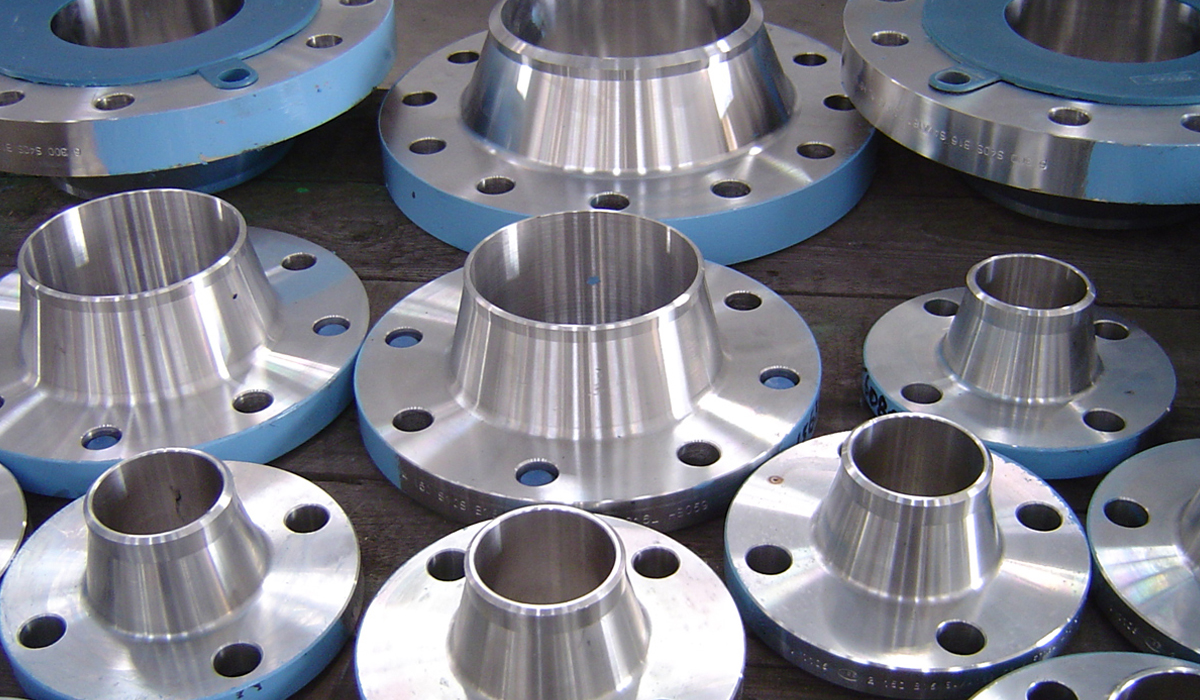
Choose a long weldneck flange when the extended hub solves a fit-up, reinforcement, or stress-transfer problem that a standard weld-neck flange cannot. Its longer neck supports a controlled direct butt weld, gives you more length for alignment and weld preparation, and accommodates the pipe wall without forcing a short, abrupt transition.
| Feature | Standard weld-neck flange | Extended long weldneck flange |
|---|---|---|
| Hub length | Conventional length for normal fit-up | Additional length for alignment, weld preparation, or reinforcement |
| Bore and profile | Matched to the specified pipe connection | Profile, bore, and transition require separate dimensional approval |
| Stress transfer | More abrupt change from flange to pipe | Gradual transition can reduce local stress concentration |
| Overall length | Suits standard face-to-pipe dimensions | Changes equipment spacing and must be checked against the assembly |
Do not treat the extension as a cosmetic add-on. Hub outside diameter, bore, transition radius, neck length, and overall length affect weld mismatch, internal flow steps, load distribution, and stress concentration.
For long weldneck flange selection, compare the hub with the pipe’s actual outside diameter and wall thickness or schedule, not NPS or DN alone. Choose the extended design for alignment-sensitive assemblies, high-temperature piping, added local reinforcement, or connections requiring a controlled butt weld.
If the purchase standard lists only a conventional flange, request a dimensional drawing. For EN 1092-1 Type 11 projects, state separately whether you need the standard weld-neck form or an extended-neck variant; never assume their dimensions match.
Which stainless long weldneck flange sizes and pressure designations must match?
Match the flange to the pipe, mating flange, and rating system—not to NPS or DN alone. Your dimensional checklist must include:
- NPS or DN; pipe schedule or wall thickness; bore diameter; outside diameter
- Bolt-circle diameter; bolt-hole count; hole diameter; flange thickness
- Hub diameter and overall length
ASME B16.5 covers NPS 1/2 through NPS 24. Requirements from NPS 26 through NPS 60 generally use ASME B16.47, so do not apply a B16.5 table to a DN600 flange.
| System | Designations | What the designation requires |
|---|---|---|
| ASME | Class 150, 300, 600 | Use the governing pressure-temperature table for the material |
| EN | PN10, PN16, PN25, PN40 | Verify EN dimensions and pressure-temperature limits |
| Mixed order | ASME, EN 1092-1, DIN, JIS | Do not assume equivalent drilling, facing, or rating |
Class 300 is not automatically equivalent to PN40, and neither designation states a fixed pressure in bar. Identify the exact standard and revision, compare every drilling and facing dimension, verify temperature rating, and approve the supplier drawing before manufacture.
Select raised face (RF), flat face (FF), or ring-type joint (RTJ) explicitly. RTJ requires matching groove geometry and ring material; RF and FF require compatible gasket seating and bolt-up. A facing mismatch can prevent sealing, demand incorrect bolt length, or damage the gasket and mating flange.
What should an export purchase order and inspection pack contain?
Use one complete purchase line, not “stainless long weldneck flange, DN100.” State: standard and revision; NPS or DN; Class or PN rating; RF, FF, or RTJ facing; bore; long-neck length, hub diameter, and transition dimensions; ASTM A182/A182M F304L or F316L with UNS S30403 or S31603; quantity; and the exact mating standard for the pipe, valve, vessel nozzle, or equipment.
- Attach the approved dimensional drawing and identify the pipe outside diameter, wall thickness or schedule, drilling, gasket type, and bolt pattern.
- Require heat-number traceability from each flange to the material certificate.
- Request chemical composition, tensile strength, yield strength, elongation, and impact results when specified.
- Record dimensional inspection for bore, facing, bolt circle, holes, thickness, hub, and overall length.
- Specify marking, PMI, NDE, hydrostatic testing, and hardness checks when the project requires them.
A mill test certificate proves reported material results; it does not prove that the delivered flange has the ordered bore, drilling, facing, or extended-neck dimensions. Ask for a separate dimensional report.
| Certificate | What it confirms | Who validates it |
|---|---|---|
| EN 10204 3.1 | Manufacturer’s test results and conformity statement | Manufacturer’s authorized inspection representative |
| EN 10204 3.2 | 3.1 evidence plus independent or purchaser validation | Manufacturer and purchaser’s representative or independent inspector |
For sour gas or sour crude, require NACE MR0175/ISO 15156 compliance where the service demands it. A 304L long weldneck flange or 316L long weldneck flange name alone does not prove sour-service limits for hardness, environment, heat treatment, or manufacturing condition.
Chirag Steel can review the drawing, grade, inspection level, and mating standard before quoting, helping you compare technically equivalent offers rather than alloy names alone. That is the practical answer to which stainless steel long weldneck flange for fits export orders.
Related products
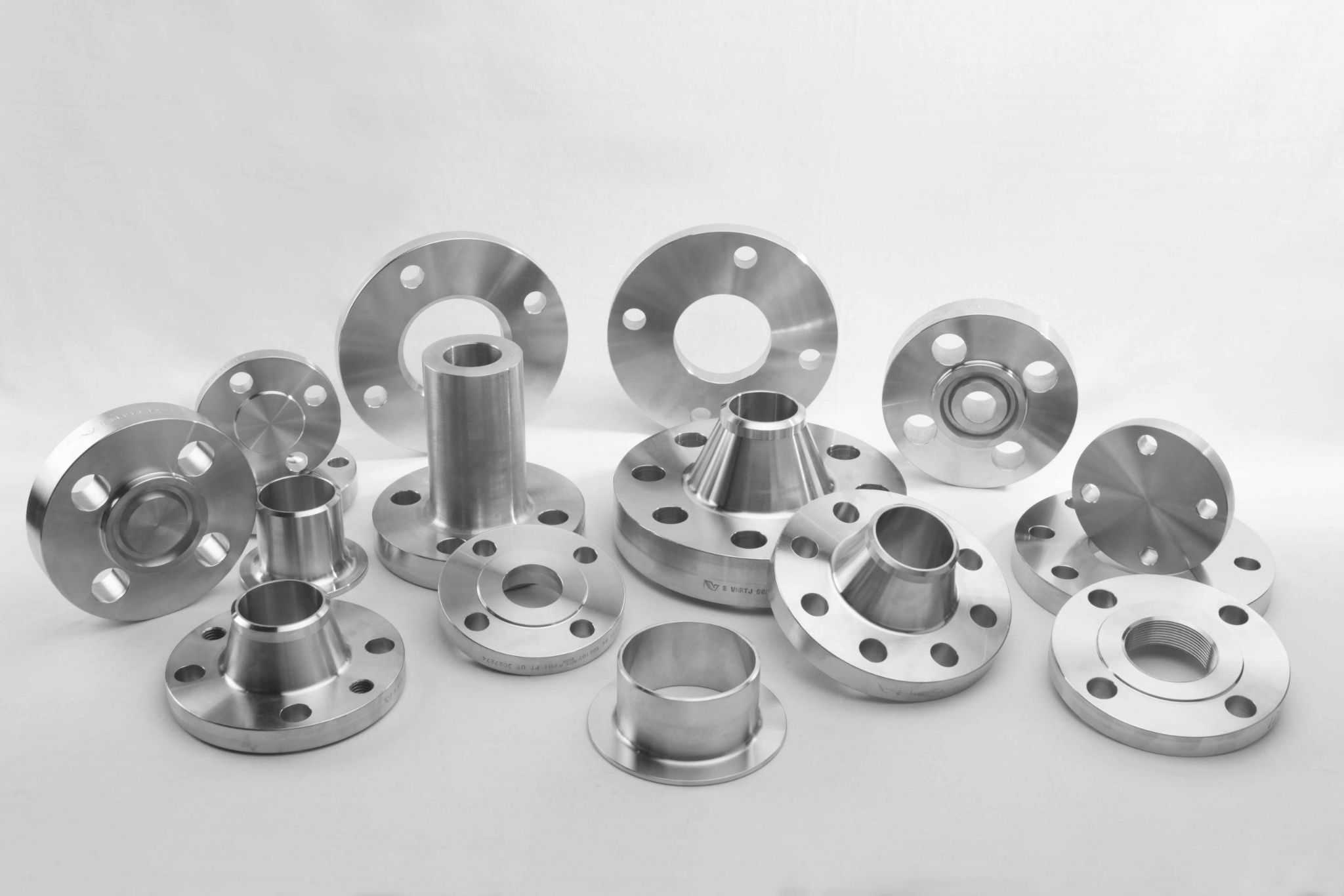 | Stainless Steel Flanges PED Steel Flanges / Weld Neck Flanges / ASTM A 182 Stainless Steel WNRF Flanges,Din Standard Flanges; DIN... View product → |
 | Stainless Steel Flanges Manufacturer – Chirag Steel Chirag Steel is a trusted and reliable Stainless Steel 316L Flanges Manufacturer, Supplier, and Exporter, offering... View product → |
Frequently asked questions
What must you specify before requesting a quotation for a stainless long weldneck flange?
Specify the material grade, governing standard, nominal size, pressure designation, facing, bore, pipe schedule, hub dimensions, quantity, and required inspection documents.
How do you compare a 304L long weldneck flange and a 316L long weldneck flange?
304L suits many general corrosive services and is often the simpler choice. Select 316L when chloride exposure, marine conditions, or molybdenum resistance requirements justify the higher-alloy grade.
What does the extended long weldneck hub change?
The extended hub provides a longer transition from the flange ring to the pipe, which can improve alignment and move the weld away from the flange face. Confirm the specified hub length and bore because they affect fit and fabrication.
Which stainless long weldneck flange sizes and pressure designations must match?
Match DN or NPS, pressure class or PN designation, flange standard, facing, bolt pattern, outside diameter, thickness, bore, and pipe schedule to the mating equipment.
What should an export purchase order and inspection pack contain?
Include the exact flange description, standards, grade, quantity, marking requirements, packaging, destination documents, heat numbers, material certificates, dimensional inspection results, and any agreed tests.
Related products
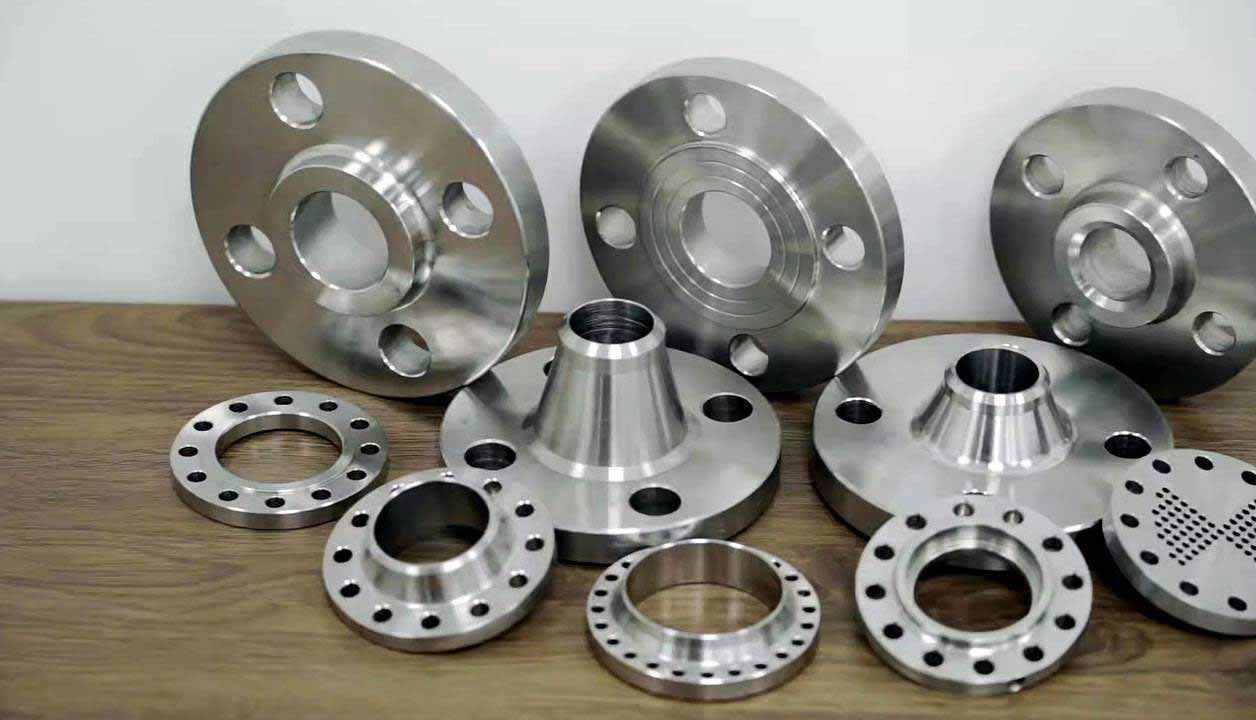 | Stainless Steel Flanges Manufacturer of ASTM A182 F304L Slip on and WNRF Flanges in India Stainless Steel 304L Flanges 304L Stainless Steel Flanges are made up of 304L... View product → |
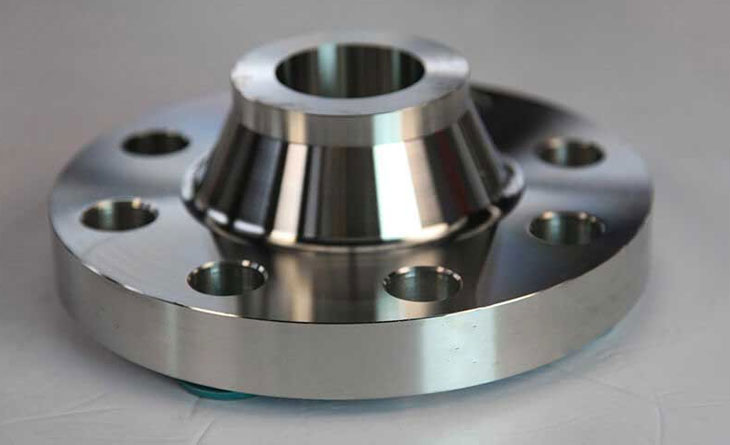 | Stainless Steel Flanges ASTM A182 F316 Blind flange and Weld Neck Flanges Manufacturer in India Stainless Steel 316 Flanges 316 Stainless Steel Flange Dimensions differ from... View product → |
 | Stainless Steel Flanges Manufacturer – Chirag Steel Chirag Steel is a leading Stainless Steel 904L Flanges Manufacturer, Supplier, and Exporter, offering premium-quality... View product → |
 | Stainless Steel Flanges ASTM A182 F304 Blind Flange Dimension and A182 Grade F304 Slip on Flange pressure classs Great Steel & Metals is a supplier of all types of 304... View product → |