A threaded flange can remove field welding from a small-bore pipe connection, but it also introduces thread fit, sealing, vibration, and corrosion questions that a flange face alone cannot answer. By checking the thread system, assembly conditions, service loads, pressure-temperature rating, and documentation, you can decide when it solves the problem and when another flange type is safer.
Key takeaways
- Use threaded flanges for small-bore pipe when welding or hot work is impractical.
- Match thread type, nominal bore, pressure class, flange facing, and dimensions before ordering.
- Sealant, misalignment, over-tightening, and pipe engagement cause many threaded flange connection problems.
- Choose welded, socket-welded, or flanged alternatives for severe vibration or demanding pressure service.
When does a threaded flange actually solve the connection problem?
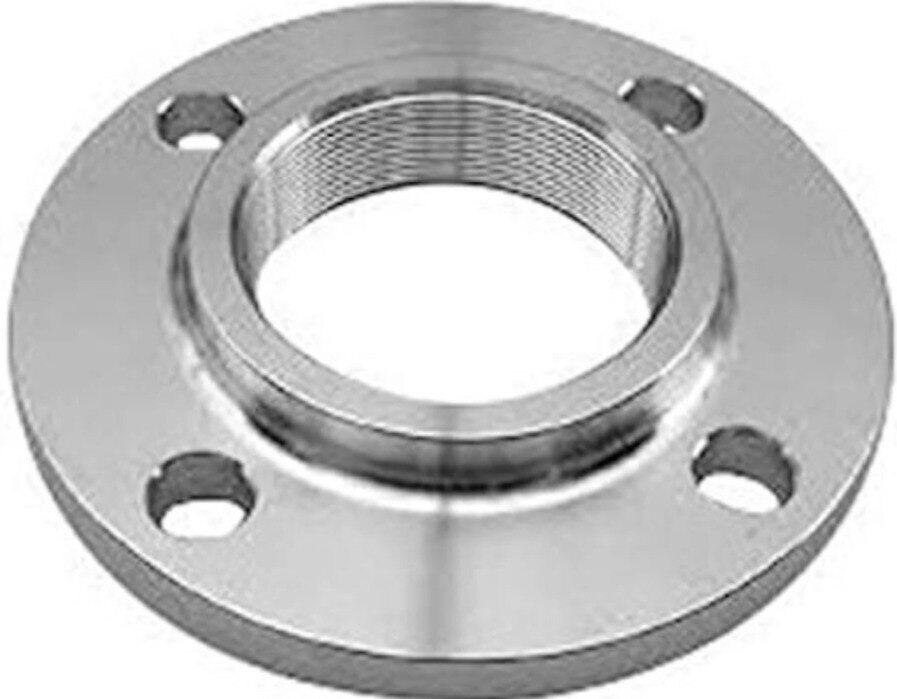
A threaded flange solves a defined installation problem: connecting relatively small-bore threaded pipe where field welding, hot work, or weld inspection is impractical. The answer to “can stainless steel threaded flanges for solve pipe connection problems” is yes only when the service and access conditions suit the threaded assembly.
1. Confirm that the flange has a female internal thread and the pipe has the matching male thread. NPT, BSPT, and BSPP are different forms; do not treat them as interchangeable.
2. Clean and inspect both threads for damaged crests, galling, contamination, correct engagement, and a matching taper and pitch. Apply a thread sealant or anti-seize approved for the fluid and temperature, then start the pipe squarely and turn it by hand before using controlled wrench torque.
3. Align the flange face without forcing misaligned pipe into position. Install the specified gasket, check the bolt condition, and tighten the flange bolts in a cross-pattern sequence.
The tapered NPT thread seals through interference and sealant; the flange face seals against the gasket. That creates more potential leak interfaces than a welded pipe-to-flange joint. Use the arrangement for moderate temperature and pressure, accessible joints, small pipe sizes, and systems without severe vibration, bending loads, or repeated thermal cycling.
Later disassembly is possible, but repeated removal can damage thread crests, gall stainless threads, or leave sealant in the bore. A threaded flange is not a universal substitute for welded construction, especially where cyclic strength or leak consequence demands a welded joint.
Which thread and flange dimensions must match before ordering?
Confirm the pipe thread separately from the flange dimensional standard before ordering. NPT follows ASME B1.20.1; BSPT, BSPP, and metric threads use different profiles, pitches, tapers, and sealing methods, so none is interchangeable with NPT. Specify:
- Nominal pipe size and actual outside diameter
- Thread designation, pitch or TPI, taper, and required engagement
- Flange standard, pressure class, facing, bore, outside diameter, thickness, and bolt-hole pattern
| Thread system | What must match | Sealing point |
|---|---|---|
| NPT | ASME B1.20.1 profile, taper, size, and TPI | Tapered thread interference plus compatible sealant |
| BSPT | BSPT profile, pitch, taper, and size | Tapered thread and sealant |
| BSPP | Parallel profile, pitch, size, and sealing arrangement | Gasket, washer, or specified seat |
| Metric | Metric diameter, pitch, and thread form | The specified seal, not assumed thread interference |
For the flange, verify ASME B16.5 dimensions for NPS 1/2 through NPS 24, or ASME B16.47 for larger sizes when the project specifies it. Match the raised-face, flat-face, or other facing to the gasket, bolting, and facing finish.
Check the internal thread with the correct gauge or a verified mating component. Reject damaged crests, wrong pitch, rough machining, insufficient engagement, or a bore that restricts the pipe. A correct bolt circle cannot fix NPT fitted to BSPT.
ASTM A182/A182M identifies a forged material standard; it does not replace the ASME dimensional and pressure requirements.
What installation errors cause threaded flange connection problems?
Most threaded flange connection problems start with forced assembly, dirty threads, or a sealant chosen without regard to the service. Use this procedure:
1. Clean the male and female threads, then inspect crests, roots, pitch, taper, and full engagement. Start the pipe square to the flange and turn it by hand before applying a wrench. Stop if the joint binds immediately, the flange rotates out of alignment, or the pipe enters only a few turns.
2. Apply only a lubricant or anti-seize approved for the fluid, temperature, and contamination limits. Stainless steel male and female threads can gall when they are clean, dry, similarly hardened, and tightened quickly. Assemble at controlled speed, and inspect the threads before reusing a joint that has been repeatedly made and broken.
3. Use enough compatible sealant to fill the thread path, not enough to form a plug. Excess can enter the bore, foul instruments, or affect chemical service; unsuitable or insufficient sealant produces leakage. The thread seal and flange-face gasket are separate sealing points.
4. Do not use flange bolts to pull badly misaligned pipe into position. That bending load transfers stress into the thread root. Install the gasket, align the faces, and tighten bolts evenly in a cross-pattern using the specified procedure; over-tightening can distort the flange, crush the gasket, strip threads, or prevent later disassembly.
5. Pressure-test the completed assembly under the governing project procedure, then inspect both the thread seal and gasket interface for leakage.
When do pressure, vibration, and stainless grade rule out the threaded option?
Do not approve a threaded connection from the flange class alone. Check the ASME B16.5 pressure-temperature table, flange class, facing, gasket, bolting, threaded pipe or fitting rating, temperature, and applicable design code; the weakest component governs. ASME B31.3 supplies process-piping design context when the project specifies it.
Reject the arrangement when the joint faces:
- Severe vibration or high cyclic loading
- Substantial external bending from connected equipment or misaligned piping
- Repeated thermal cycling
- Buried access
- Maintenance in an inaccessible location
Expansion and contraction can alternately load and unload the threads. External piping loads concentrate at the thread root, where fatigue damage or leakage can begin.
304 threaded flange problems and 316 threaded flange problems depend on actual chemistry, not the grade name alone.
| Grade | Localized-corrosion concern | Service check |
|---|---|---|
| 304 | Chloride pitting and crevice corrosion, especially at thread roots and gasketed crevices | Reject for seawater or chloride-contaminated process service unless the design review accepts the risk |
| 316 | Better resistance because molybdenum improves pitting and crevice-corrosion resistance | Review warm seawater, deposits, stagnant crevices, concentrated chlorides, and aggressive chemicals |
Both grades can suffer chloride stress-corrosion cracking when tensile stress, chlorides, and elevated temperature combine. A socket-weld, weld-neck, or other welded design may be required by the owner specification or code when leak tightness, cyclic strength, inspection, or hot-work control outweighs disassembly.
How should you compare alternatives and write the purchase request?
Choose the connection by failure consequence and maintenance need, not installation speed alone. The wrong choice can turn a small saving into a leak, inspection problem, or unserviceable joint.
| Option | Strength | Main trade-off |
|---|---|---|
| Weld-neck | Gradual transition for demanding pressure, temperature, and cyclic loading | Needs qualified welding and inspection |
| Slip-on | Simplifies fit-up | Fillet welds provide less favourable fatigue performance |
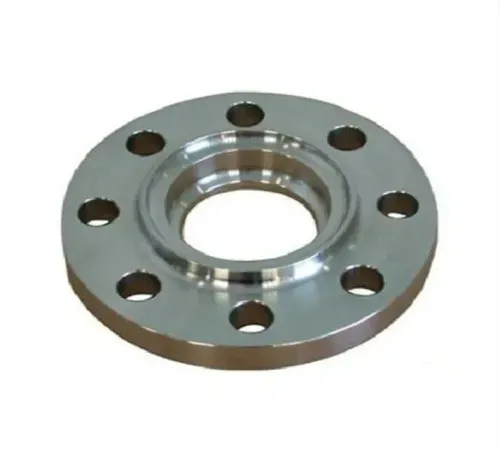
| Socket-weld | Removes the pipe thread | Retains welding, inspection, heat-affected-zone, and crevice concerns |
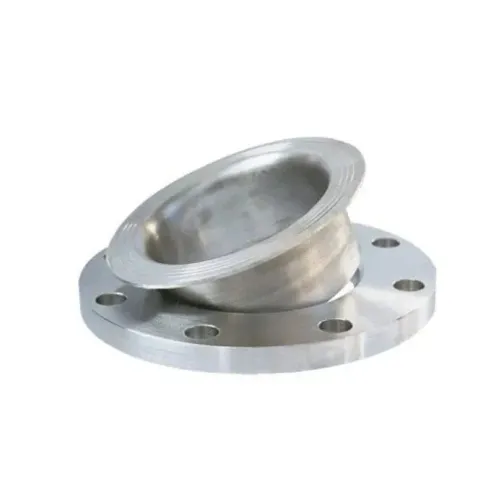
| Lap-joint | Supports frequent alignment and disassembly with a stub end | Strength and sealing must match the design |
Give a threaded flange supplier in Bengaluru a purchase request that names every interface:
- Governing dimensional standard, such as ASME B16.5; NPS, pressure class, 304/304L or 316/316L grade, and NPT, BSPT, BSPP, or metric thread
- Facing, bore, gasket, bolting, fluid, operating temperature, design temperature, pressure, chloride exposure, and access conditions
- Heat number, product marking, chemistry, mechanical results, heat-treatment details where specified, inspection records, and certificate traceability
For forged stainless, state ASTM A182/A182M separately from ASME B16.5; the material certificate does not replace dimensional or pressure requirements. Check the pressure-temperature table and the threaded pipe or fitting rating because the weakest component governs. Chirag Steel can help check documentation against the purchase order for stainless, nickel alloy, titanium, duplex, or bronze components.
Require confirmation that flange, thread, gasket, bolts, and code basis form one compatible assembly.
Frequently asked questions
When does a stainless steel threaded flange solve a pipe connection problem?
It suits relatively small-bore threaded pipe when field welding, hot work, or weld inspection is impractical and service conditions remain moderate.
Which dimensions must match before ordering a threaded flange?
Confirm the pipe nominal size, thread standard and designation, flange pressure class, facing, bolt-hole pattern, outside diameter, bore, and material grade.
What installation errors cause threaded flange connection problems?
Common causes include incorrect thread standards, poor thread cleaning, insufficient or excessive engagement, sealant entering the bore, misalignment, and over-tightening.
When do pressure, vibration, and stainless grade rule out threaded flanges?
Select another connection when cyclic loading, severe vibration, high temperature, leakage consequences, or pressure requirements exceed the threaded joint's limitations. Choose 304 or 316 based on the actual corrosion environment.
How should you compare alternatives and write the purchase request?
Compare threaded, socket-weld, butt-weld, and loose-flange assemblies by installation access, inspection, leakage risk, vibration, pressure, and maintenance. State every required size, standard, grade, class, facing, thread, quantity, and inspection document.