
A stainless steel SWRF flange can be a fast-moving, compact inventory item—or an expensive collection of slow-moving size, class and material combinations. By the end, you will be able to assess demand, compare SWRF with competing flange types, verify technical fit and set a stocking rule that protects working capital.
Key takeaways
- Stock SWRF flanges when repeat demand offsets slow-moving size and grade inventory.
- Compare pressure class, bore, face, material grade, and standard before buying.
- Use the flange and pipe dimensions to catch nonreturnable fit errors.
- Choose weld-neck flanges when fatigue, high temperature, or severe cycling governs.
What a Stainless Steel SWRF Flange Actually Does
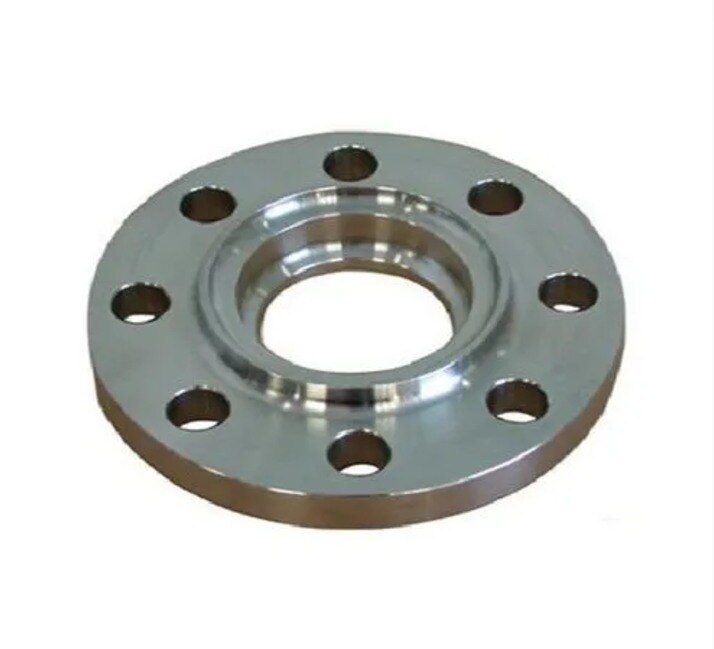
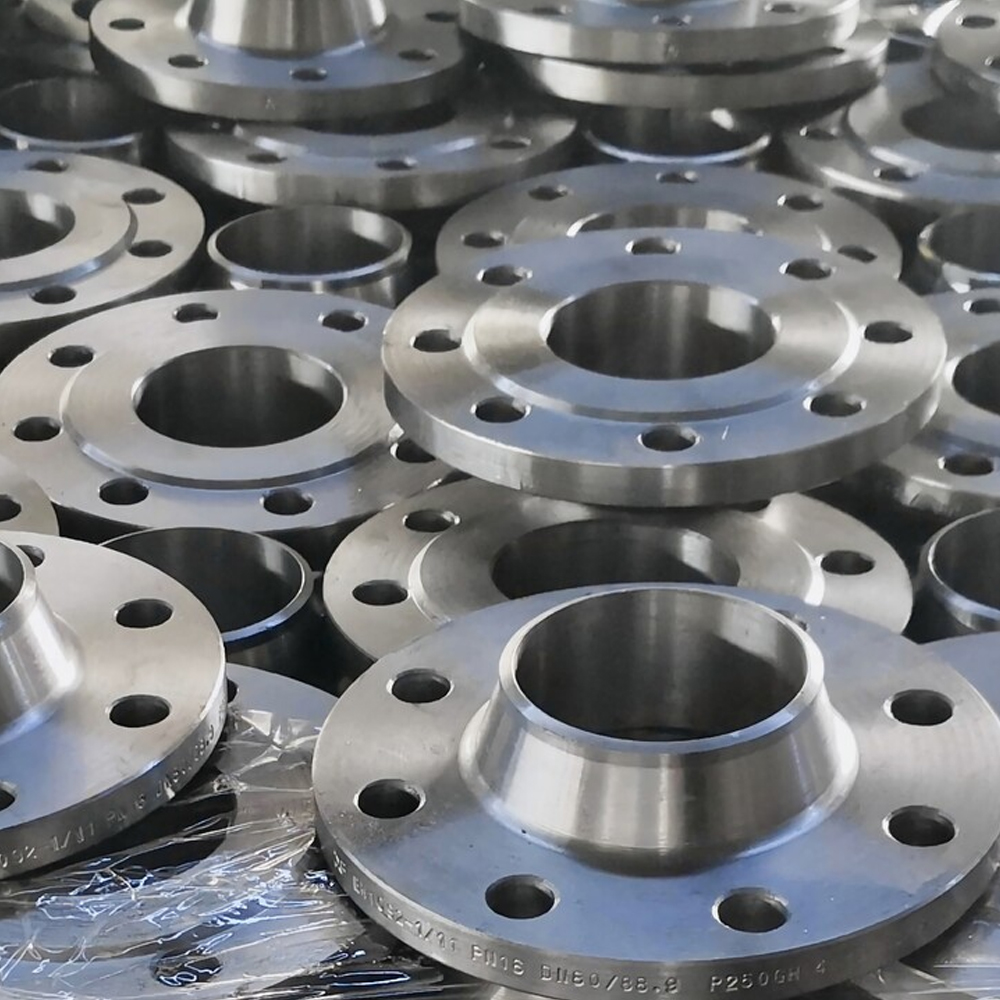
Stainless steel SWRF flanges for distributors are slip-on, weld-raised-face flanges. The pipe passes through the flange bore, then an internal and external fillet weld secure the pipe to the hub. Bolts clamp the raised face against a gasket, creating the pressure boundary between two flanged pipe sections or equipment nozzles.
A complete designation needs more than “150-lb stainless.” Record the NPS, ASME B16.5 or B16.47 standard, pressure class, raised-face finish, bore or pipe schedule, material grade, and applicable pressure-temperature rating.
ASTM A182 F304L and F316L are common forged choices, but each has different corrosion performance and must remain compatible with the pipe, gasket, bolts, and service environment.
| Flange type | Practical fit | Customer application |
|---|---|---|
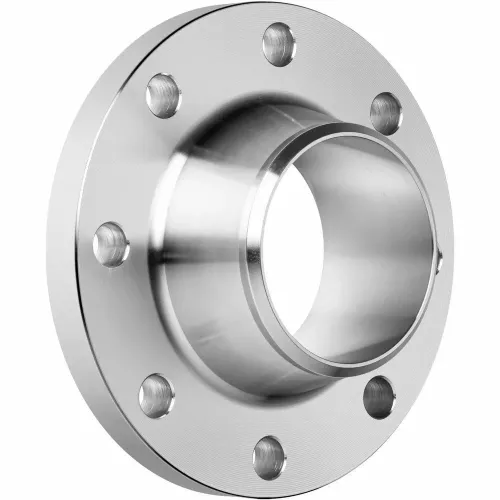
| SWRF | Compact slip-on hub with raised-face gasket seal | Moderate-duty utility, water, chemical, food, and process piping |
| Weld-neck | Tapered hub transfers stress into the pipe | High temperature, severe cycling, high pressure, and critical lines |
| Flat-face slip-on | Full flat face reduces gasket bending risk | Cast-iron or other flat-face equipment connections |
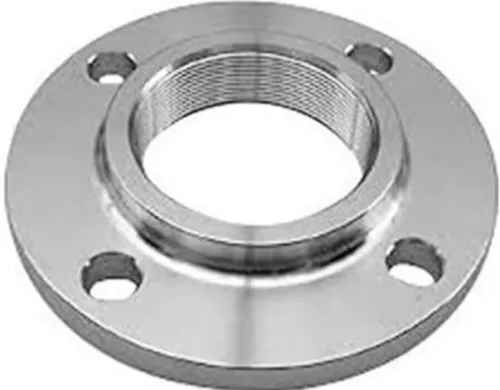
| Threaded or socket-weld | Avoids full-penetration pipe welding | Small-bore lines where welding access is limited |
SWRF suits customers who need economical, readily fitted stainless connections and do not face severe fatigue, vacuum, sour-service, high-temperature, or large-bore demands. Do not substitute it for carbon steel by nominal size alone: galvanic contact, corrosion allowance, PMI, traceability, and customer specifications can change the acceptable combination.
How to Measure SWRF Flange Stock Value Before You Buy
Shelf space is justified when repeat demand, gross profit and replenishment risk outweigh the cash tied up in each size, class and grade combination. The question “are stainless steel swrf flanges for worth stocking” is answered by order history, not by how many sizes a catalogue can display.
- Count sales by complete designation: NPS, ASME B16.5 Class 150 or 300, raised face, bore or schedule, 304L or 316L, and any document or PMI requirement. A “150-lb stainless” label hides combinations that customers cannot substitute.
- Calculate annual gross profit for each combination: units sold multiplied by selling price minus landed cost. Rank the result against average inventory value, minimum order quantity and replenishment lead time.
- Charge the item for carrying cost, inspection, dry storage, protective caps, damaged-face rework and the chance of obsolete stock. A flange with attractive margin but one sale every three years is not automatically valuable.
- Set a reorder point from demand during supplier lead time, then test the cash exposure if demand stops for twelve months. Keep unusual NPS sizes, high classes and uncommon alloys to order unless a contract supports them.
- Audit every receipt for dents, scratches across the raised face, corrosion staining, bore damage and mixed-grade binning. Retain the ASTM A182 F304/F304L or F316/F316L material test report and heat traceability; dimensional compliance alone does not prove application compliance.
Your swrf flange stock value is strongest in fast-moving, fully identified 304L and 316L combinations. If the margin cannot pay for capital, protection and replacement risk, convert that shelf space to quoted-to-order inventory.
SWRF Versus Other Flanges: Where the Lower-Cost Option Stops Working
A stainless steel swrf flange buying decision should separate dimensional compliance from application compliance. Sell it for ordinary, non-cyclic piping where the pipe passes through the flange, outside and usually inside fillet welds secure it, and the raised face compresses the gasket.
Do not substitute it for a weld-neck flange just because the NPS, bolt circle and pressure class match.
| Flange | When to direct the customer to it |
|---|---|
| Weld-neck raised-face | Severe cycling, thermal gradients, high bending loads, or a smoother bore and lower stress concentration are important |
| Blind | The line must be terminated, a nozzle closed, or equipment isolated for pressure testing |
| Threaded | Welding is prohibited or impractical and the service is compatible with a threaded connection; verify pressure, temperature and leakage limits |
| Socket-weld | Small-bore piping needs a compact welded connection and the required socket dimensions and internal gap can be controlled |
| Flat-face slip-on | The mating flange is flat-face, such as vulnerable cast equipment; do not mate raised-face and flat-face without an engineered gasket arrangement |
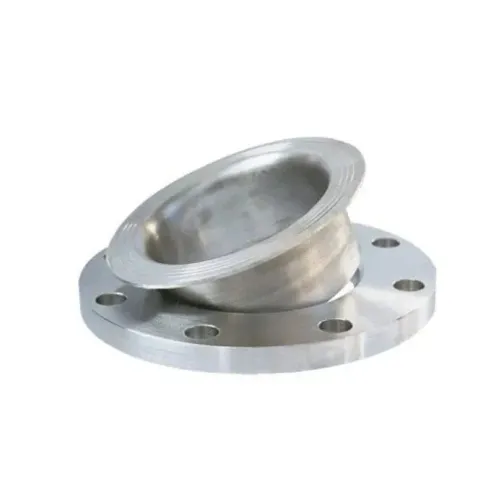
| Lap-joint | The system uses a stub end and needs repeated dismantling, flange rotation or reduced wetted flange cost |
SWRF stops being the economical choice when fatigue, vibration, thermal movement or heavy nozzle loads dominate. It also stops being interchangeable when the actual pipe wall does not suit the bore, or when internal weld projection cannot be controlled.
Keep SWRF stock focused on recurring standard services; quote the alternative when the customer’s specification names a weld-neck, face type, material combination, PMI or traceability requirement.
The Fit-Check That Prevents a Nonreturnable Flange Error
Before stocking stainless steel SWRF flanges for distributors, match the complete designation—not merely “NPS 2, Class 150 stainless.” A dimensional match can still fail the customer’s service, traceability, or gasket requirements.
Check these fields on the purchase order and quotation:
- Standard: ASME B16.5 for NPS ½–24, or ASME B16.47 for larger sizes; include the required RF facing and serrated finish, commonly 125–250 microinch Ra.
- Size and fit: NPS, outside diameter, bolt-circle diameter, number and diameter of bolt holes, flange thickness, raised-face height, and bore. Confirm the actual pipe OD and wall schedule; a slip-on bore is not universally interchangeable.
- Rating: Class 150, 300, 600, or another class, with the pressure-temperature table, material group, design temperature, and piping code identified.
- Material: ASTM A182 F304/F304L or F316/F316L, plus manufacturing route, heat treatment, corrosion allowance, and compatibility with the pipe, bolts, and gasket. Check galvanic risk at dissimilar bolted joints.
- Documents: EN 10204 3.1 material test report, heat number, chemical and mechanical results, dimensional report, marking details, and weld or inspection records where specified.
- Special controls: positive material identification, passivation, NACE MR0175/ISO 15156 compliance, customer drawings, or project-specific inspection plans.
| Label alone | What it does not prove | Required confirmation |
|---|---|---|
| Class 150 stainless | Pressure at every temperature | Size, grade, material group, and pressure-temperature table |
| A182 F316L | Finished flange compliance | B16.5 dimensions, facing, bore, heat treatment, and marking |
| Raised face | Correct sealing arrangement | Gasket type, dimensions, service, and face finish |
Segregate stock by grade and heat, and protect raised faces from impact.
A Practical Distributor Stocking Rule for Stainless SWRF Flanges
Set a reorder gate before adding another size: stock a combination only when recent order frequency, replenishment lead time and expected gross margin justify its carrying cost. The swrf flange stock value usually sits in 304L and 316L, ASME B16.5 NPS sizes, Class 150 and 300, raised face and standard bore—not in every catalogue combination.
Keep the core assortment narrow:
- Replenish sizes with repeat orders and predictable six- to eight-week demand.
- Quote, rather than stock, unusual NPS sizes, Class 600 and above, large bores and less common alloys.
- Require a customer order before buying combinations with high minimum quantities or uncertain lead times.
- Mark every bin with NPS, class, RF, bore, grade and heat number; “150-lb stainless” is not a sufficient label.
The stainless steel swrf flange buying decision must also pass an application screen. Do not offer the stocked item as a substitute where the service involves severe cycling, high temperature, sour service, vacuum, galvanic exposure or engineered corrosion control; verify the pressure-temperature table, gasket, bolts, material compatibility and traceability first.
Protect stock at receipt and in storage. Reject or quarantine faces with dents, scratches across the sealing area, corrosion staining or bore damage; retain protective caps, separate 304L from 316L and keep flanges dry. For slow-moving grades, ask Chirag Steel for lead time and minimum order quantity before tying up capital.
That is how you decide whether “are stainless steel swrf flanges for worth stocking” has a profitable answer.
Related products
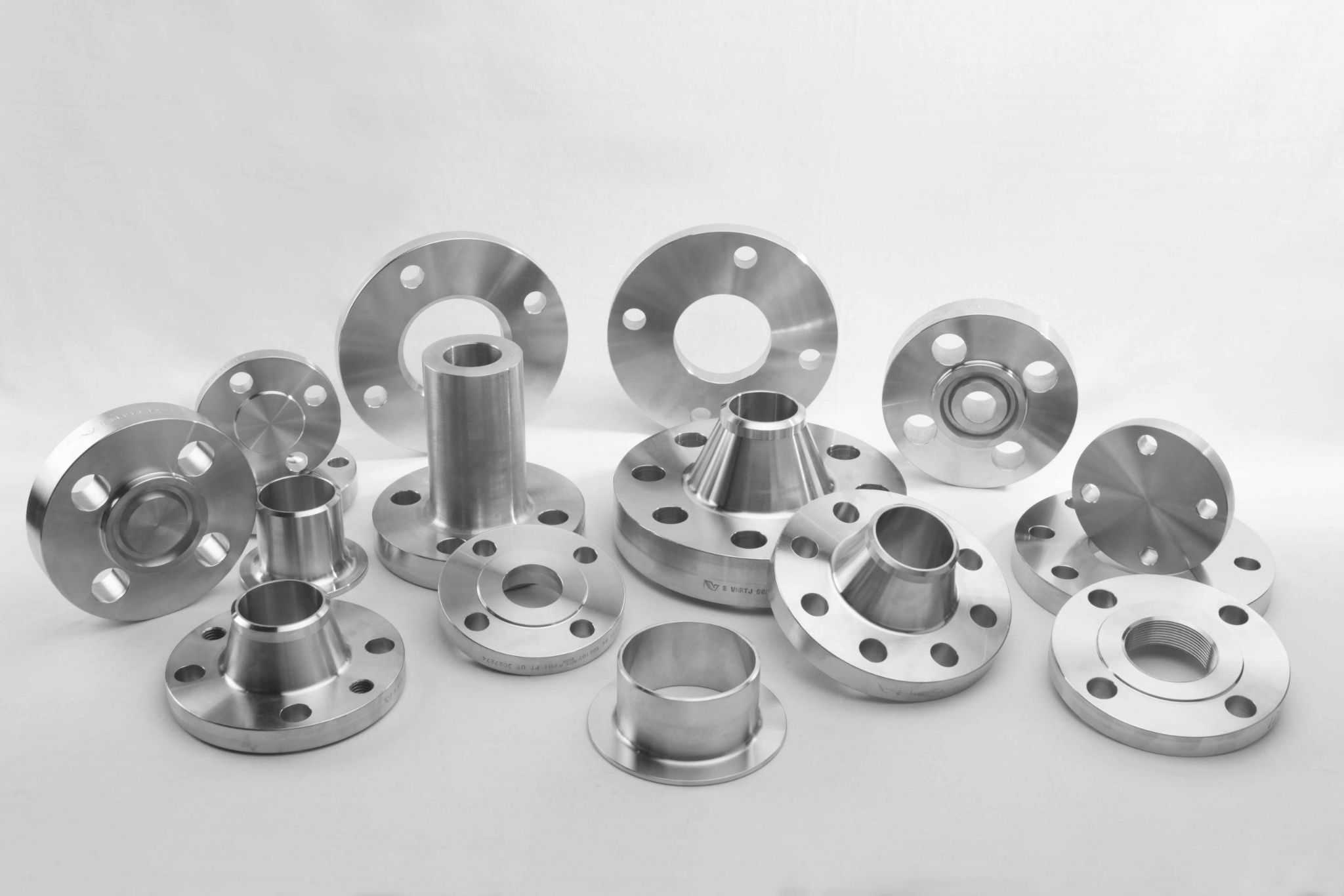 | Stainless Steel Flanges PED Steel Flanges / Weld Neck Flanges / ASTM A 182 Stainless Steel WNRF Flanges,Din Standard Flanges; DIN... View product → |
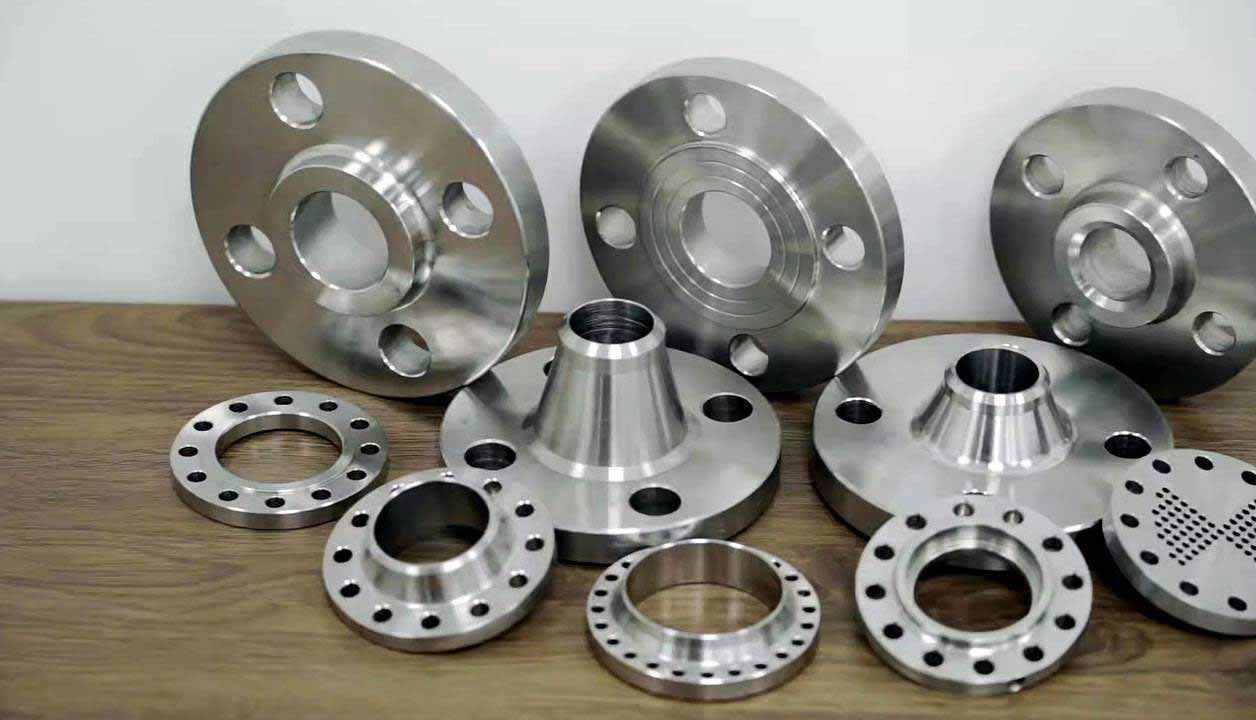 | Stainless Steel Flanges Manufacturer of ASTM A182 F304L Slip on and WNRF Flanges in India Stainless Steel 304L Flanges 304L Stainless Steel Flanges are made up of 304L... View product → |
Frequently asked questions
What does a stainless steel SWRF flange do?
A slip-on weld-raised-face flange passes over the pipe, uses internal and external fillet welds, and creates a bolted gasketed connection.
How do you measure SWRF flange stock value?
Compare repeat customer demand with the cash tied up in size, pressure class, material grade, and quantity before placing a stocking order.
When does a weld-neck flange outperform an SWRF flange?
A weld-neck flange is the stronger choice when fatigue, thermal cycling, high temperature, or demanding stress conditions make the lower-cost SWRF design unsuitable.
What should you check before buying a stainless steel SWRF flange?
Match the flange standard, nominal pipe size, pressure class, bore, raised-face dimensions, stainless grade, bolt-hole pattern, and pipe wall thickness.
Related products
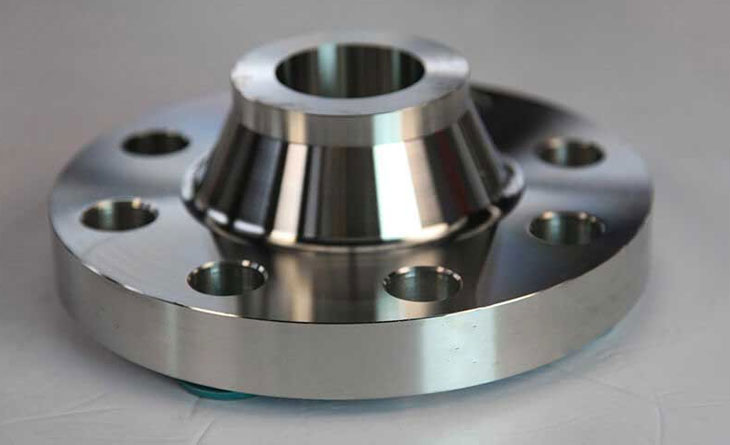 | Stainless Steel Flanges ASTM A182 F316 Blind flange and Weld Neck Flanges Manufacturer in India Stainless Steel 316 Flanges 316 Stainless Steel Flange Dimensions differ from... View product → |
 | Stainless Steel Flanges Manufacturer – Chirag Steel Chirag Steel is a trusted and reliable Stainless Steel 316L Flanges Manufacturer, Supplier, and Exporter, offering... View product → |
 | Stainless Steel Flanges ASTM A182 F304 Blind Flange Dimension and A182 Grade F304 Slip on Flange pressure classs Great Steel & Metals is a supplier of all types of 304... View product → |