The choice between a stainless steel weld-neck raised-face flange and a slip-on raised-face flange changes the weld design, fit-up time, fatigue resistance, bore condition and inspection burden. By comparing service loads, fabrication steps, dimensions, ratings and material controls, you can select the connection that fits the completed piping system rather than choosing by NPS and pressure class alone.
Key takeaways
- Choose WNRF flanges for cyclic loads and stronger butt-welded transitions.
- Choose SORF flanges when simpler fit-up matters more than fatigue resistance.
- Inspect bore, welds, face, material grade, dimensions and pressure class.
- Compare the complete joint, including weld access and cleaning requirements.
WNRF and SORF: What Changes at the Pipe Connection?
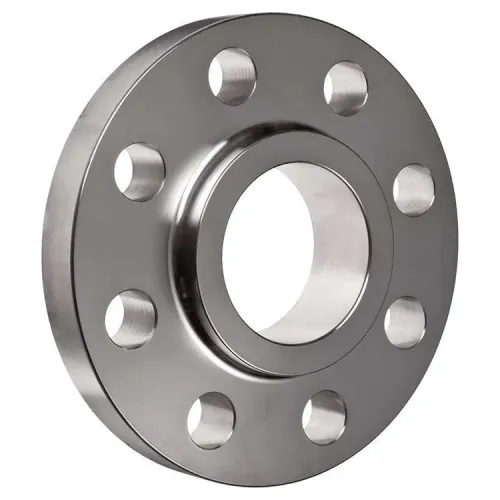
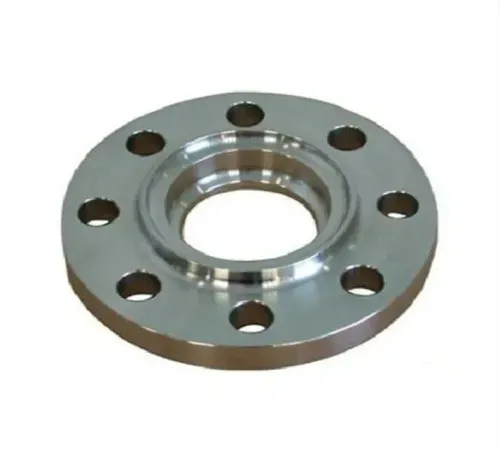
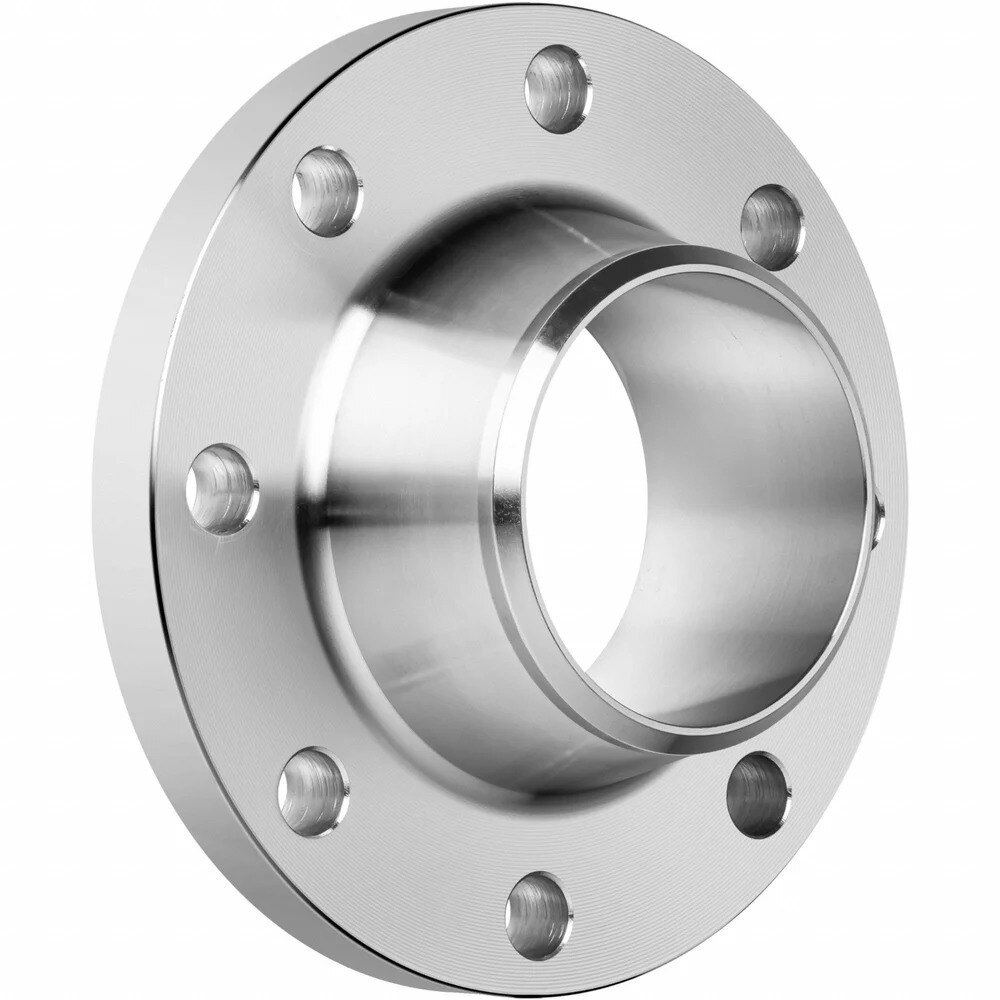
The connection changes from a tapered, butt-welded transition to a bored flange secured by fillet welds. In a WNRF flange, the pipe bevel aligns with the flange hub and carries load through a continuous butt weld. An SORF flange slips over the pipe, leaving welds at the flange bore and outside diameter.
| Option | Construction | Service behaviour |
|---|---|---|
| WNRF | Tapered hub, matching bore and butt weld | Smoother stress transition; better resistance to bending, thermal cycling and fatigue |
| SORF | Pipe passes through the flange; internal and external fillet welds | Simpler fit-up, but bore clearance and the internal weld create a discontinuity, crevice exposure and less favourable fatigue behaviour |
For stainless steel WNRF flanges or SORF flanges, the “WN” or “SO” identifies the attachment method; “RF” identifies the raised face. The two options can share NPS, Class, bolt circle and raised-face dimensions while differing in bore, hub geometry, weight and weld detail.
A WNRF flange versus SORF flange comparison cannot stop at the pressure class. ASME B16.5 rating tables apply to the flange material group and temperature, but pipe wall, weld design, bolts, gasket, external loads and the governing piping code can limit the joint.
SORF’s internal weld also affects flow inspection, crevice corrosion risk and pigging clearance. Verify the flange grade, such as ASTM A182 F304L or F316L, against the purchase specification and material certificate.
Choose WNRF for Cyclic Loads; Choose SORF for Simpler Fit-Up
Select a WNRF flange when the joint will see repeated thermal expansion, pressure cycling, vibration, high bending moments or elevated temperature. Its tapered hub carries load into the pipe through a butt weld, reducing the abrupt stiffness change and internal weld projection associated with a slip-on connection.
| Selection factor | WNRF flange | SORF flange |
|---|---|---|
| Service demand | Cyclic, fatigue-sensitive or high-bending service | Steady, moderate-duty service |
| Fabrication | Requires accurate bevel, root gap and butt-weld control | Faster fit-up with fillet welds inside and outside |
| Geometry | Tapered hub provides a smoother stress transition | Bore clearance and fillet weld create a local discontinuity |
| Practical advantage | Better resistance to fatigue and thermal loading | Lower fabrication effort and easier alignment |
| Common concern | Higher material and welding cost | Crevice, flow-obstruction and inspection-access issues |
The wnrf flange versus sorf flange decision is not settled by matching NPS and Class. ASME B16.5 pressure-temperature ratings apply to the flange material group and class; pipe wall, bolts, gasket, weld design, external loads and the governing piping code can control the joint instead.
A Class 300 SORF is not a fatigue-service substitute for a Class 300 WNRF.
Choose SORF when installation speed, simple alignment and moderate service conditions outweigh fatigue performance. Avoid it where the internal fillet weld could obstruct flow, trap corrosive liquid, interfere with pigging or restrict inspection.
For either option, confirm the stainless grade, weld procedure, NDE and cleaning requirements before fabrication; a generic rating does not qualify the finished joint.
Fabrication Sequence: Bore, Bevel, Weld and Clean
A poor bore fit or contaminated weld can ruin a sound stainless steel flange before pressure testing. Control the joint in sequence: match the bore, set the bevel or fillet geometry, weld to the approved procedure, then remove heat tint and embedded iron.
1. Verify the flange grade, heat number and bore against the drawing and pipe specification. For a WNRF flange, align the tapered hub with the pipe axis and match the pipe bevel to the qualified weld procedure specification. Set and measure the root gap; excessive mismatch creates an uneven root and turbulence.
2. For an SORF flange, deburr the bore and insert the pipe to the specified engagement or setback. Do not force the pipe against the raised face. Check clearance around the pipe, then tack at several points so shrinkage does not pull the flange out of square.
3. Weld a WNRF joint as a full-penetration butt weld using clean stainless filler, controlled heat input and inert-gas back purging. Weld the SORF pipe-to-flange joint continuously at the bore and outside diameter where the design requires both fillets.
Leave enough access to inspect the internal fillet; an oversized, concave or interrupted fillet creates a crevice and restricts pigging.
4. Remove slag, spatter and oxide without carbon-steel brushes or contaminated abrasives. Pickle or mechanically clean heat tint, rinse thoroughly, and passivate when specified. Check flange face damage, bore intrusion, weld profile, alignment and cleanliness before fitting the gasket.
These controls matter for stainless steel WNRF flanges or SORF flanges fabricators handle under cyclic, corrosive or hygienic service.
Compare the Complete Joint, Not Just NPS and Class
A Class 300 match does not make two flanges interchangeable. Compare the joint’s geometry, pressure-temperature basis and material certificates before releasing a drawing or purchase order.
| Option | Dimensions to compare | Rating and material checks |
|---|---|---|
| WNRF | NPS, outside diameter, thickness, bolt-circle diameter, hole count, raised-face diameter, bore, tapered hub, overall length and weld bevel | ASME B16.5 class and material group; ASTM A182 F304L or F316L; pipe grade, wall and weld compatibility |
| SORF | The same face and bolt dimensions, plus bore clearance, flange thickness, pipe insertion depth and internal/external fillet-weld space | ASME B16.5 class and material group; flange and pipe grades; fillet-weld design, crevice risk and inspection access |
Include the gasket outside diameter, inside diameter, thickness and facing type, then check bolt diameter, length, material and required preload. A raised face with the wrong gasket or short bolts can leak even when every catalog dimension appears correct.
For a stainless steel WNRF flanges comparison, confirm whether the flange is ASTM A182 F304L or F316L rather than accepting “stainless weld neck” as a grade. 316L WNRF flanges usually provide better chloride-pitting resistance than 304L WNRF flanges, but concentrated chlorides, hot seawater and reducing acids can require duplex, nickel alloy or titanium.
Use ASME B16.5 for NPS ½ through 24 and Classes 150 through 2500. For NPS 26 through 60, verify ASME B16.47 series and dimensions instead. The final limit remains the weakest pipe wall, weld, bolt, gasket, temperature or piping-code requirement.
Build a Purchase and Inspection Checklist for the Selected Flange
A purchase order that says “stainless weld-neck flange” is incomplete. State the attachment and facing separately: WN or SO, plus RF for raised face, then define size, pressure class, schedule or bore, standard, grade, and service temperature.
1. Name the dimensional standard. Use ASME B16.5 for NPS 1/2 through NPS 24 and Classes 150, 300, 400, 600, 900, 1500, or 2500. For NPS 26 through NPS 60, check ASME B16.47 instead.
2. Specify the material by grade, not by generic stainless description. Order 304L WNRF flanges to ASTM A182 Grade F304L or 316L WNRF flanges to ASTM A182 Grade F316L, then require the matching material test certificate.
3. Require heat-number marking on each flange and confirm that the marking matches the certificate and packing list. Do not infer the grade from the catalogue name.
4. Verify bore diameter, hub dimensions, flange thickness, bolt-circle diameter, hole count, raised-face height, and facing finish against the approved drawing. A WNRF and SORF flange can share a class and bolt pattern but differ in bore and weld geometry.
5. Put PMI, weld procedure and welder qualifications, weld acceptance criteria, NDE, and the governing piping code on the order. ASME B16.5 does not approve those fabrication controls.
6. Add pickling and passivation requirements, packaging, and protection for the raised face. Ask Chirag Steel to identify each 304L or 316L item by grade and heat number before dispatch.
Reject delivery if dimensions, markings, certificates, or inspection records do not agree with the purchase order.
Related products
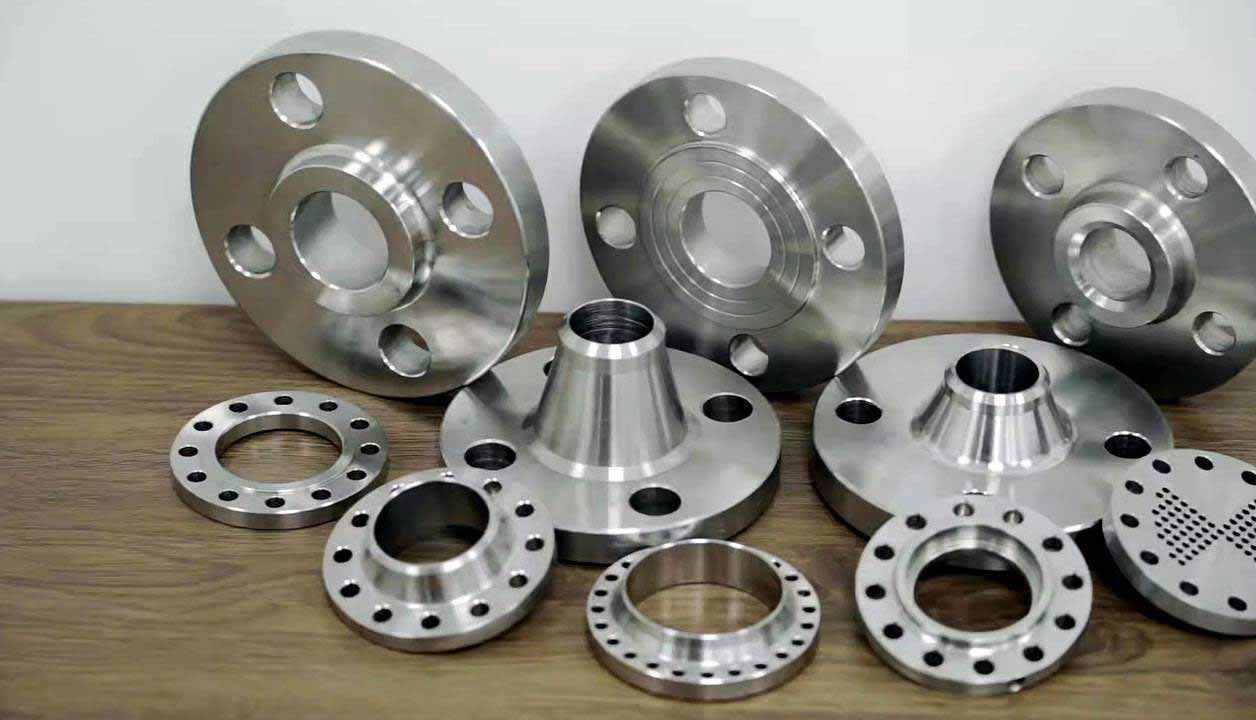 | Stainless Steel Flanges Manufacturer of ASTM A182 F304L Slip on and WNRF Flanges in India Stainless Steel 304L Flanges 304L Stainless Steel Flanges are made up of 304L... View product → |
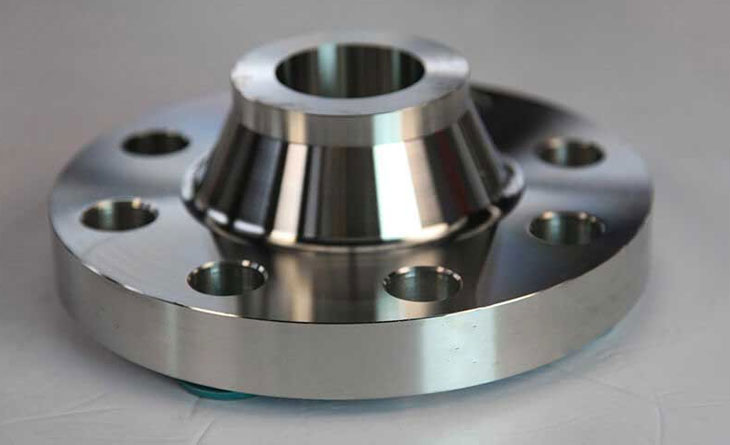 | Stainless Steel Flanges ASTM A182 F316 Blind flange and Weld Neck Flanges Manufacturer in India Stainless Steel 316 Flanges 316 Stainless Steel Flange Dimensions differ from... View product → |
Frequently asked questions
What changes at the pipe connection between WNRF and SORF flanges?
A WNRF flange uses a tapered hub and a continuous butt weld aligned with the pipe bevel. An SORF flange slips over the pipe and uses welds at the bore and outside diameter.
When should fabricators choose WNRF instead of SORF flanges?
Choose WNRF for cyclic loads, thermal movement and applications that benefit from a smoother stress transition through the tapered hub.
When is an SORF flange the simpler fabrication choice?
Choose SORF when straightforward fit-up, easier alignment and lower fabrication complexity matter more than the fatigue performance of a butt-welded connection.
What should you inspect before purchasing a stainless steel WNRF or SORF flange?
Check the material grade, NPS, pressure class, facing, bore, flange dimensions, weld preparation, heat or lot traceability, inspection documents and cleaning requirements.
Related products
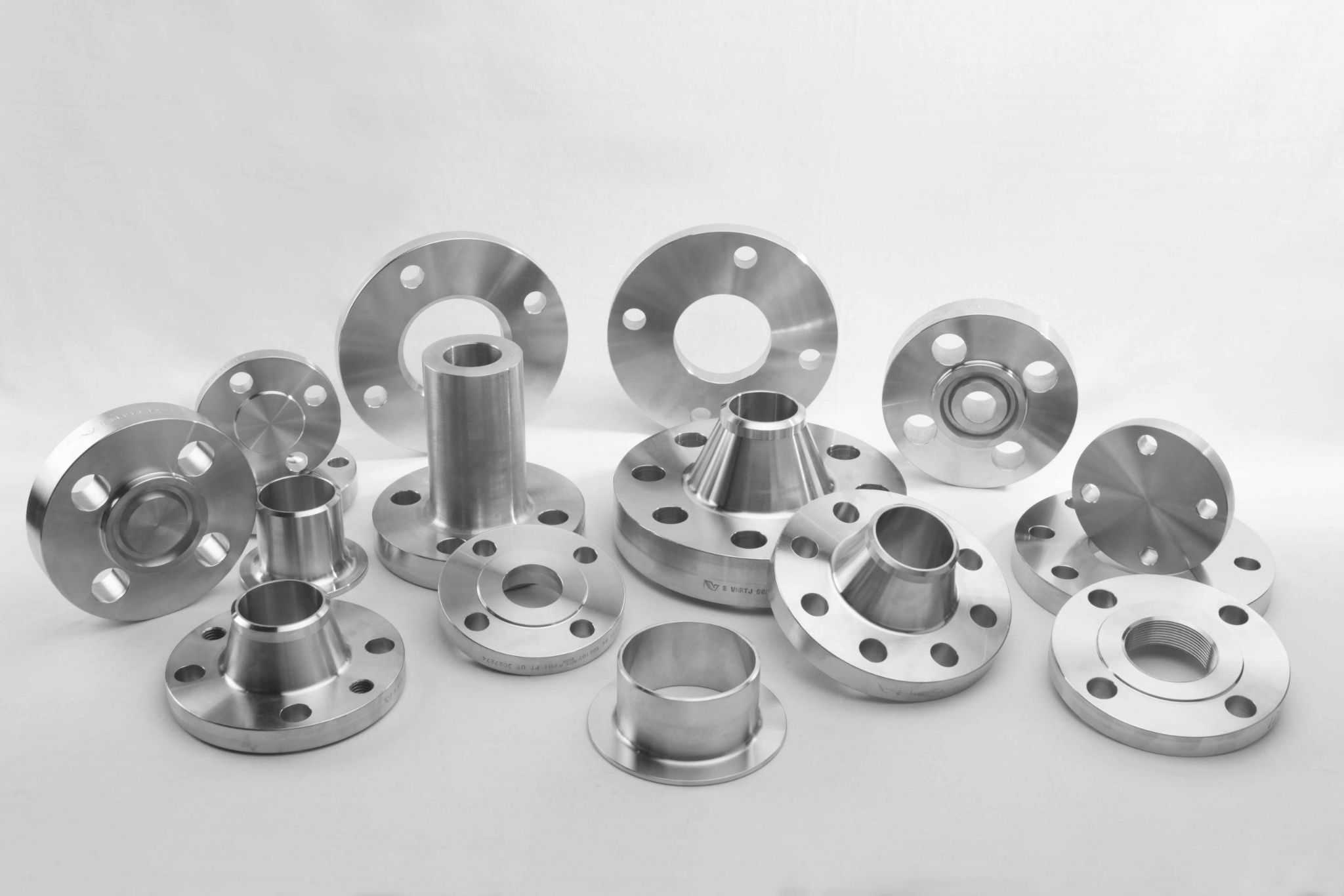 | Stainless Steel Flanges PED Steel Flanges / Weld Neck Flanges / ASTM A 182 Stainless Steel WNRF Flanges,Din Standard Flanges; DIN... View product → |
 | Stainless Steel Flanges Manufacturer – Chirag Steel Chirag Steel is a trusted and reliable Stainless Steel 316L Flanges Manufacturer, Supplier, and Exporter, offering... View product → |
 | Stainless Steel Flanges Manufacturer – Chirag Steel Chirag Steel is a leading Stainless Steel 904L Flanges Manufacturer, Supplier, and Exporter, offering premium-quality... View product → |
 | Stainless Steel Flanges ASTM A182 F304 Blind Flange Dimension and A182 Grade F304 Slip on Flange pressure classs Great Steel & Metals is a supplier of all types of 304... View product → |