A lap joint flange is not a complete connection: the usable assembly combines a loose backing ring, a butt-welded stub end, a gasket and bolting. By separating repeat-demand configurations from specialist combinations, you can decide what belongs in stainless steel flange inventory, what needs matching stock, and what should be sourced against a confirmed order.
Key takeaways
- Sell the backing flange, lap stub end, gasket, and welded pipe as one assembly.
- Stock repeat sizes and grades with documented demand, not every available specification.
- Verify dimensions, pressure class, grade, and traceability before adding inventory.
- Source 904L and unusual sizes to order unless project demand is recurring.
What exactly must a stockist sell as a lap joint assembly?
Stocking only the loose ring creates an unusable connection. A lap joint assembly needs a backing flange, a matching lap stub end, the pipe weld, and a gasket.
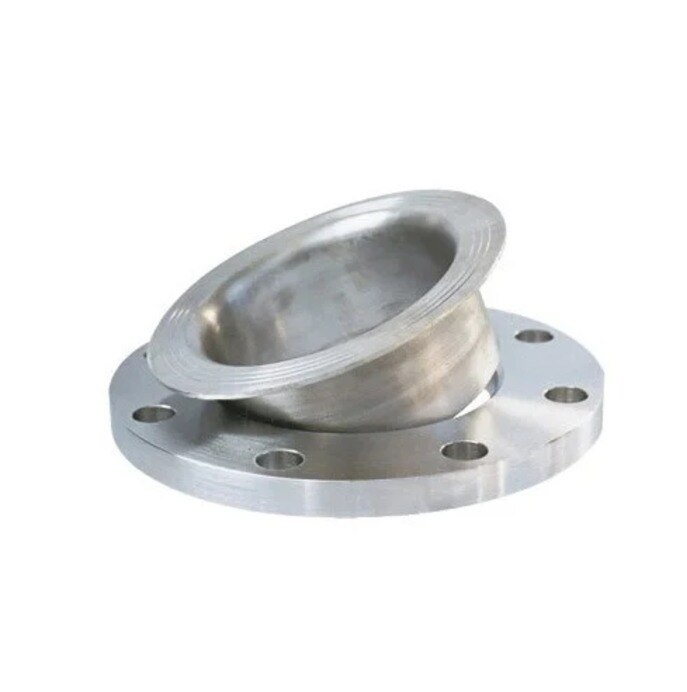
The stub end is butt-welded to the pipe and provides the fluid-facing lap plus the gasket seating surface; the loose ring rotates around it to align bolt holes, then bolt preload clamps the ring against the lap.
That rotation saves time during dismantling, cleaning, inspection, and difficult field alignment. It also keeps an expensive alloy stub end in the wetted boundary while a less costly, replaceable ring stays outside it. The gasket, clean seating faces, correct alignment, and even bolt tightening still control leakage.
| Option | Service role | Distinction |
|---|---|---|
| Weld-neck | Demanding welded transitions | Tapered hub supports a continuous welded connection |
| Slip-on | General fabrication | Slides over the pipe and simplifies welding |
| Socket-weld | Smaller-bore piping | Pipe enters a socket before fillet welding |
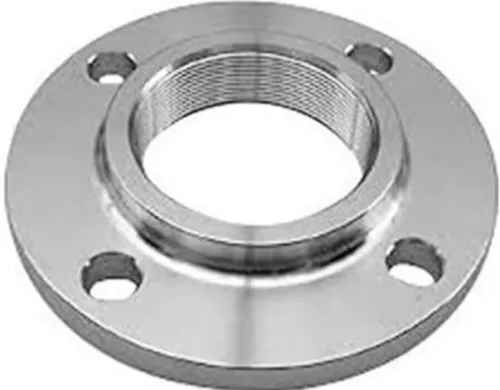
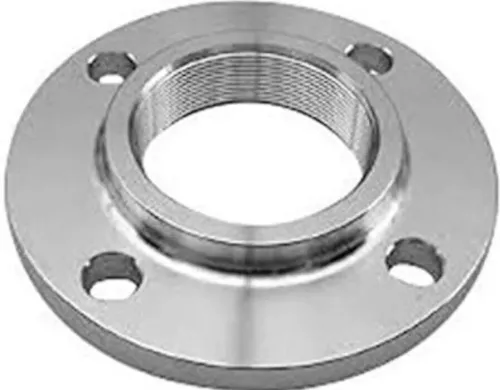
| Threaded | No-weld installation | Threads connect the flange to the pipe |
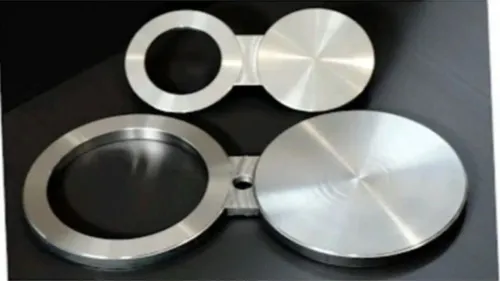
| Blind | Closing a line | Solid flange blocks flow |
| Lap joint | Dismantling and alignment | Rotating ring and replaceable backing flange |
For lap joint flanges for stockists, record the stub-end pattern separately: short-pattern and long-pattern stub ends are distinct inventory items, not interchangeable labels. Their length, lap geometry, weld area, pipe cut length, and required ring bore can differ. A complete stock record must identify the ring and stub end, not merely “lap-joint flange.”
When does repeat demand justify keeping lap joints on the shelf?
The case for stainless steel lap joint flanges for stockist inventory is strongest where assemblies are dismantled repeatedly, not where demand is occasional.
1. Prioritise chemical processing, pharmaceutical and food plants, lined pipe, glass-lined equipment, tank farms, maintenance-intensive utilities, and systems using costly corrosion-resistant stub ends. Rotating loose rings speed dispatch of common assemblies and reduce field work aligning fixed bolt holes.
2. Count the hidden SKUs before filling stainless steel flange inventory. Each ring must match nominal pipe size, pressure class, facing, bore, pipe schedule and stub-end geometry. A 4-inch Class 150 ring is not automatically suitable for every 4-inch stub end: a mismatch can create an internal step, excess clearance or interference at the lap.
3. Use depth-weighted stock. Hold repeatable 304 and 304L ring-and-stub combinations with confirmed patterns, while quoting unusual classes, large diameters, uncommon bores and low-volume patterns against confirmed demand. Record short-pattern and long-pattern stub ends separately; they are not interchangeable.
4. Check the governing dimensional standard before buying. ASME B16.5 covers NPS 1/2 through 24 and Classes 150 through 2500. For NPS 26 through 60, check ASME B16.47 and the specified series. Stock only configurations that order history proves; otherwise, slow-moving variants tie up capital and create traceability risk.
Which stainless grades deserve shelf space?
304 lap joint flanges deserve the broadest shelf space for dry, indoor and mildly corrosive services. Do not make them the seawater or chloride-service default: deposits, stagnant liquid and gasket crevices can initiate pitting and crevice corrosion.
| Grade | Stocking logic | Main caution |
|---|---|---|
| 304 | Broad-demand baseline for ordinary service | Poor default for seawater or persistent chlorides |
| 304L | Preferred for welded stub ends | Lower carbon reduces sensitisation risk after welding |
| 316 or 316L | Stronger general choice when molybdenum is needed for greater chloride resistance | Neither grade is universally immune |
| 904L | Specialist stock for demanding chemical service, including many sulfuric-acid applications | Confirm service conditions and demand before buying deeply |
904L lap joint flanges use UNS N08904, a high-alloy austenitic stainless steel containing molybdenum and copper. Resistance still depends on acid concentration, temperature, oxidising conditions, chlorides, crevices and weld condition, so do not market 904L as corrosion-proof.
Choose the complete wetted assembly, not the ring alone. A 304 ring can accompany a higher-alloy stub end, but approve that combination only after checking the purchase specification, galvanic exposure, temperature and whether the ring bore or back face can contact the process.
Before stocking 904L, require:
- Exact grade or UNS designation
- Heat or cast identification
- Dimensions, standard, pressure class and facing
- Material test documentation
Keep deep 904L quantities for confirmed recurring demand. Loose rings and stub ends with different alloys require explicit specification control.
How do you verify a lap joint flange before adding it to inventory?
Verify the complete ring-and-stub-end combination before it enters stainless steel flange inventory. A ring marked only “4-inch Class 150 stainless” is not a controlled stock item: the same nominal size can hide different pipe outside diameters, schedules, facings and stub-end patterns.
1. Match the nominal pipe size to the pipe’s actual outside diameter and record the wall thickness or schedule. Confirm whether the stub end is short-pattern or long-pattern; these are separate items affecting pipe cut length, weld area and lap geometry.
2. Record the stub-end lap dimensions, flange-ring bore, ring outside diameter, bolt-circle diameter, bolt-hole count and hole diameter. A 4-inch Class 150 ring can create an internal step, excess clearance or interference when paired with the wrong stub end.
3. Confirm the facing, such as raised face or another specified face, against the gasket and mating flange. Record the pressure class and governing standard, such as ASME B16.5 or EN 1092-1, instead of relying on nominal size and class alone.
4. Check the pressure-temperature rating against the material group, temperature, class and standard. The practical limit is set by the weakest ring, stub end, pipe or gasketed joint.
5. Request a drawing or dimensional table when the stub-end geometry is unfamiliar. File certificates showing grade, heat number, dimensions and standard, with separate identification for the ring and stub end.
6. Keep grades physically segregated and reject relabelled or pattern-unspecified stock. Mixed-grade bins and missing records turn apparently useful material into delayed or rejected material.
What should a stockist carry, and what should be sourced to order?
A workable policy for stainless steel lap joint flanges for stockist inventory is depth-weighted: carry 304 and 304L assemblies only where sales history proves repeat sizes, pressure classes, facings and stub-end patterns. Add 316 and 316L when customers repeatedly handle chlorides or more corrosive process fluids.
Keep each loose ring with its matching stub end as a controlled set. Accumulating unpaired rings creates dead stock, wrong-bore substitutions and traceability gaps. Short-pattern and long-pattern stub ends need separate records.
Source specialist configurations to order:
- Buy 904L lap joint flanges against a confirmed bill of material, with the UNS grade, heat or cast number, dimensions and material test documentation identified.
- Source large-diameter ASME B16.47 items, high-pressure classes and unusual EN 1092-1 combinations after confirming the standard, facing, bore and mating components.
- Treat uncommon long-pattern or bore configurations as project stock, not generic replacements.
Shelf stock improves dispatch time and reduces alignment work, but every grade, size, class, facing, bore and stub pattern ties up capital and increases mixed-bin and relabelling risk. That is the central trade-off for lap joint flanges for stockists.
Chirag Steel can add practical value by assembling a complete certified bill of material, listing ring and stub-end materials separately, and confirming dimensions and documents before dispatch.
Stock the configurations your order history proves; quote specialist alloys only after the process service and complete assembly are defined.
Frequently asked questions
What must a stockist sell as a lap joint assembly?
A usable assembly includes the backing flange, matching lap stub end, welded pipe connection, and gasket; the loose ring alone cannot make the connection.
When does repeat demand justify keeping lap joint flanges in inventory?
Keep them on the shelf when confirmed repeat orders share the same nominal size, pressure class, facing, and material grade. Source irregular combinations to order.
Which stainless steel grades deserve shelf space?
Prioritise grades such as 304 when local demand is consistent. Stock 316 or 904L only when recurring projects justify the capital and slower turnover.
How do you verify a lap joint flange before adding it to inventory?
Check the nominal size, pressure class, facing, bolt-hole pattern, bore, stub-end fit, stainless grade, heat number, material certificate, and required standard.