A threaded flange is not fully specified by pipe diameter or stainless grade alone: thread form, pressure class, temperature, bore, facing, and material certification all affect whether it will fit and survive service. Use the steps below to define the connection, reject unsuitable flange types, and prepare an order that a supplier can manufacture and inspect correctly.
Key takeaways
- Use threaded flanges for modest-service small-bore lines, not cyclic hazardous duty.
- Match NPS, pressure class, temperature, material, and pipe thread exactly.
- Specify face, bore, gasket, bolting, and assembly requirements before ordering.
- Verify markings, dimensions, thread fit, material certificates, and pressure-test records.
Decide whether a threaded flange fits the service
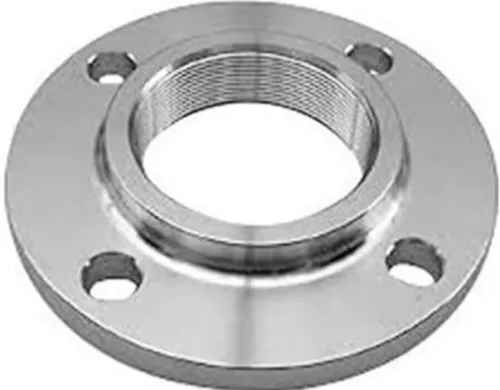
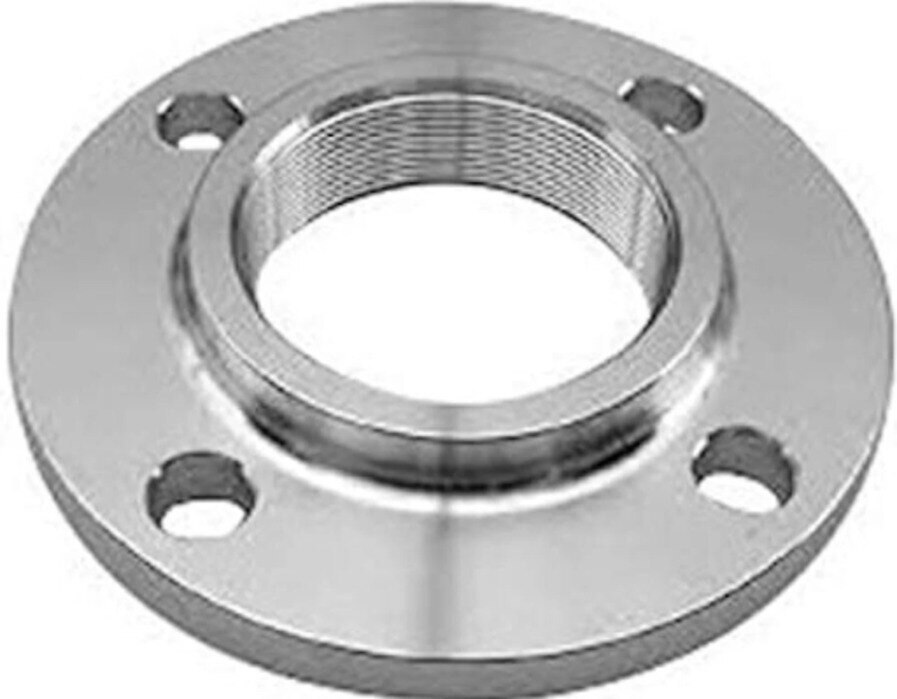
A threaded flange is the right connection for small-bore utility, instrument, and maintenance points where welding is restricted and the line has modest pressure, temperature, vibration, and thermal cycling. Avoid it on cyclic, high-temperature, highly corrosive, or hazardous services where thread roots can leak, fatigue, or trap fluid.
Chloride water and brine also demand careful grade selection; 304 or 304L is not automatically suitable.
| Option | Best fit | Choose another type when |
|---|---|---|
| Threaded | No-weld installation on small-bore, low-cycle lines | Vibration, thermal cycling, leakage risk, or severe service dominates |
| Socket-weld | Compact small-bore joint with welded strength | You cannot weld, or crevice corrosion at the socket is unacceptable |
| Slip-on | Economical welded connection for general piping | Fatigue, high stress, or precise bore alignment requires a stronger joint |
| Weld-neck | High pressure, temperature, cycling, or demanding alignment | Welding is prohibited or a removable connection is essential |
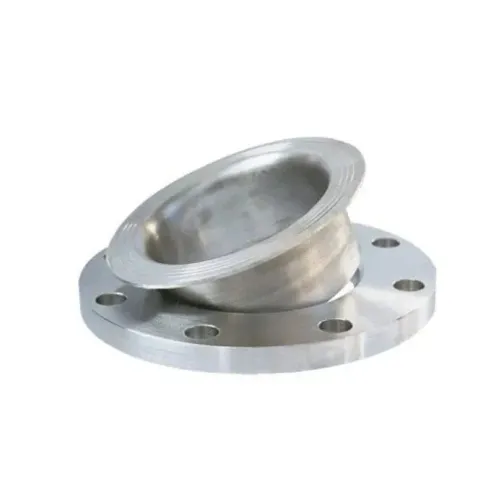
| Lap-joint | Frequent dismantling or expensive alloy piping with a stub end | You need a permanent, compact joint without extra components |
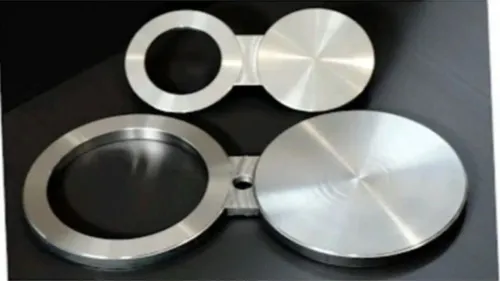
| Blind | Isolating or pressure-testing a line end | The line must remain open for flow |
Use this threaded flange selection guide before ordering: confirm NPS with pipe outside diameter and schedule, NPT or BSP thread, design pressure and temperature, fluid chemistry, corrosion allowance, and ASME B16.5 class.
State the face, finish, gasket standard, bolt material, and whether the mating flange is flat-face or raised-face; mismatching faces can damage the weaker component or prevent proper gasket compression.
Set the size, class, pressure, temperature, and material
Class 150 does not mean 150 psi. Select the flange class from the ASME B16.5 pressure-temperature table for the specified material group and design temperature, then compare it with the weakest component: pipe wall, threaded engagement, gasket, bolts, or valve. State NPS and class together; “2-inch stainless threaded flange” is incomplete.
Record these inputs before choosing a grade or rating:
- Line size, pipe outside diameter, and schedule
- Design pressure, design temperature, and test temperature
- Fluid chemistry, concentration, chloride exposure, and corrosion allowance
- Pipe-thread standard, such as NPT or BSP, plus flange standard
- Face type, finish, gasket, and bolting requirements
- Inspection reports, material certificates, and traceability requirements
Choose 304L when its corrosion resistance suits the fluid and the low carbon limit supports fabrication or sensitization control. Under common ASTM/ASME specifications, 304L contains no more than 0.030% carbon; that does not make an unwelded flange a general corrosion upgrade over 304. Compare the actual chemistry and service environment.
For severe reducing acids or chloride-bearing service, investigate 904L, UNS N08904, commonly ordered as ASTM A182 F904L. Treat 904L threaded flange options as a material-and-certification decision, not a premium label: require heat-treatment condition, chemical and mechanical results, and traceability. The selected grade must also have pressure-temperature qualification for the class and temperature.
Match the pipe thread and verify every flange dimension
A 2-inch designation does not identify a usable connection. Confirm the pipe outside diameter, schedule or wall thickness, thread standard, flange standard, pressure class, and every mating dimension before ordering.
1. Read the pipe drawing or measure the pipe. Record NPS, outside diameter, schedule, wall thickness, and finished internal bore. Schedule matters because the flange thread must provide full engagement without creating an unacceptable projection into the flow path.
2. Name the thread precisely. Specify NPT under ASME B1.20.1, BSPT, BSPP, or the applicable metric thread, and state whether the pipe end is male or female. NPT and BSPT are not interchangeable; BSPP is parallel rather than tapered. A matching nominal size with the wrong pitch or taper will not seal.
3. State the flange standard and rating together, such as ASME B16.5, NPS 2, Class 300. The standard covers threaded flanges from NPS 1/2 through NPS 24, but pressure capability still depends on material group and metal temperature.
4. Check the drawing for bore diameter and control the internal finish as flush, recessed, or another defined condition. Record flange outside diameter, thickness, bolt-circle diameter, number and diameter of bolt holes, facing diameter, and thread engagement depth.
5. Put these fields on the purchase request. “Stainless threaded flange sizes” alone is incomplete; include the pipe data, thread gauge requirement, and dimensional inspection record. Confirm the supplied thread with gauges before installation, not after the flange has been forced onto the pipe.
Specify the face, bore, gasket, bolting, and assembly controls
A raised face must meet a raised face; a flat face must meet a flat face. Mixing them can concentrate bolt load on the smaller contact area and crack a cast-iron, plastic-lined, or other weaker mating flange.
| Face | Gasket and mating control | Main risk |
|---|---|---|
| Raised face | Specify the required finish and a gasket sized for the raised-face seating area; use with a matching raised face | Excessive load can damage a flat, weaker flange |
| Flat face | Use a full-face gasket that covers the bolt holes and match it to a flat mating face | A raised-face partner can bend or fracture the flange |
Specify the gasket standard, material, thickness, and inner diameter. Keep the gasket bore aligned with the pipe bore; an inward lip can restrict flow, trap solids, or disturb instruments.
State the bolt material, diameter, length, washers, and tightening sequence. Choose bolting for the design temperature and corrosion environment, not simply to match the stainless grade.
- Confirm the pipe outside diameter, schedule, and required bore condition: flush, recessed, or controlled projection. Nominal NPS alone cannot prevent an internal step.
- Clean and inspect every thread; reject crushed, dirty, or crossed threads.
- Apply a service-compatible anti-seize or thread lubricant to stainless threads. Lubricant changes friction, so use the specified lubricated-torque procedure rather than a dry-torque value.
- Engage the joint by hand, tighten in the prescribed cross-pattern, and stop if the threads seize. Do not force alignment through the flange bolts; that can load valves, instruments, and connected equipment.
Build a purchase specification and verify the supplied flange
Treat any 904L threaded flange supplier as a source of certified pressure components, not simply stainless parts. State UNS N08904 and ASTM A182 Grade F904L, the NPS, pressure class, ASME B16.5 edition, thread form, face, bore, gasket, bolting, and temperature range on the purchase order.
Request these documents and checks:
- Material test certificate showing F904L chemistry, including nickel, molybdenum, copper, carbon, and iron, plus tensile and yield results
- Heat-treatment condition, heat number, lot number, and traceability from the certificate to the flange marking
- Applicable dimensional standard and inspection record for outside diameter, thickness, bolt circle, bore, face dimensions, and thread engagement
- Thread gauge results identifying NPT, BSPT, BSPP, or another specified form
- Positive material identification report when chloride, acid, or contamination consequences justify a site check
- Certificate of conformity linking the supplied flange to the purchase-order requirements
Check the stamp, heat number, face, bore, and thread before installation. A corrosion-resistant alloy will not correct a wrong class, thread, or internal diameter; forcing NPT onto BSPT can damage both components and still leak.
If Chirag Steel is quoting the flange, send the complete specification rather than asking for “904L stainless.” For 304L, require ASTM A182 F304L when that grade is correct, but do not treat its low carbon content as proof of chloride resistance.
Related products
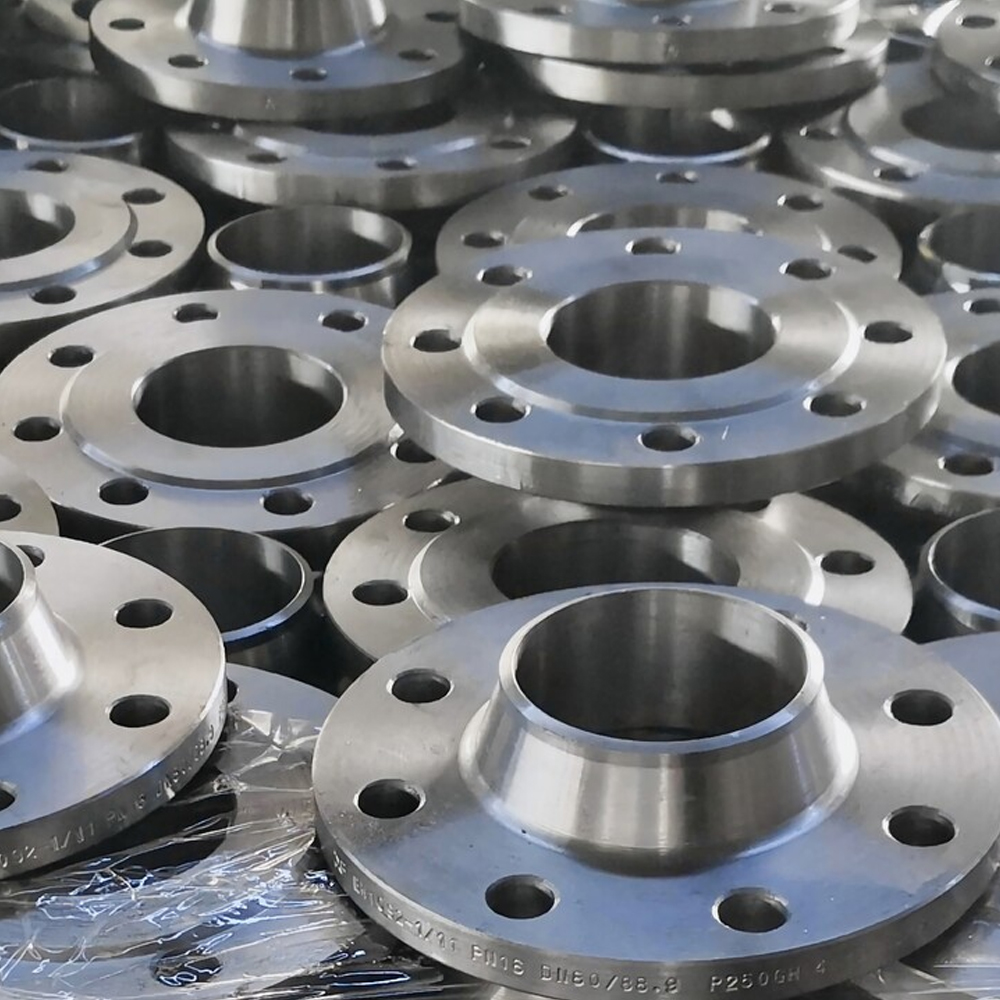 | Stainless Steel Flanges ASTM A182 F304 Blind Flange Dimension and A182 Grade F304 Slip on Flange pressure classs Great Steel & Metals is a supplier of all types of 304... View product → |
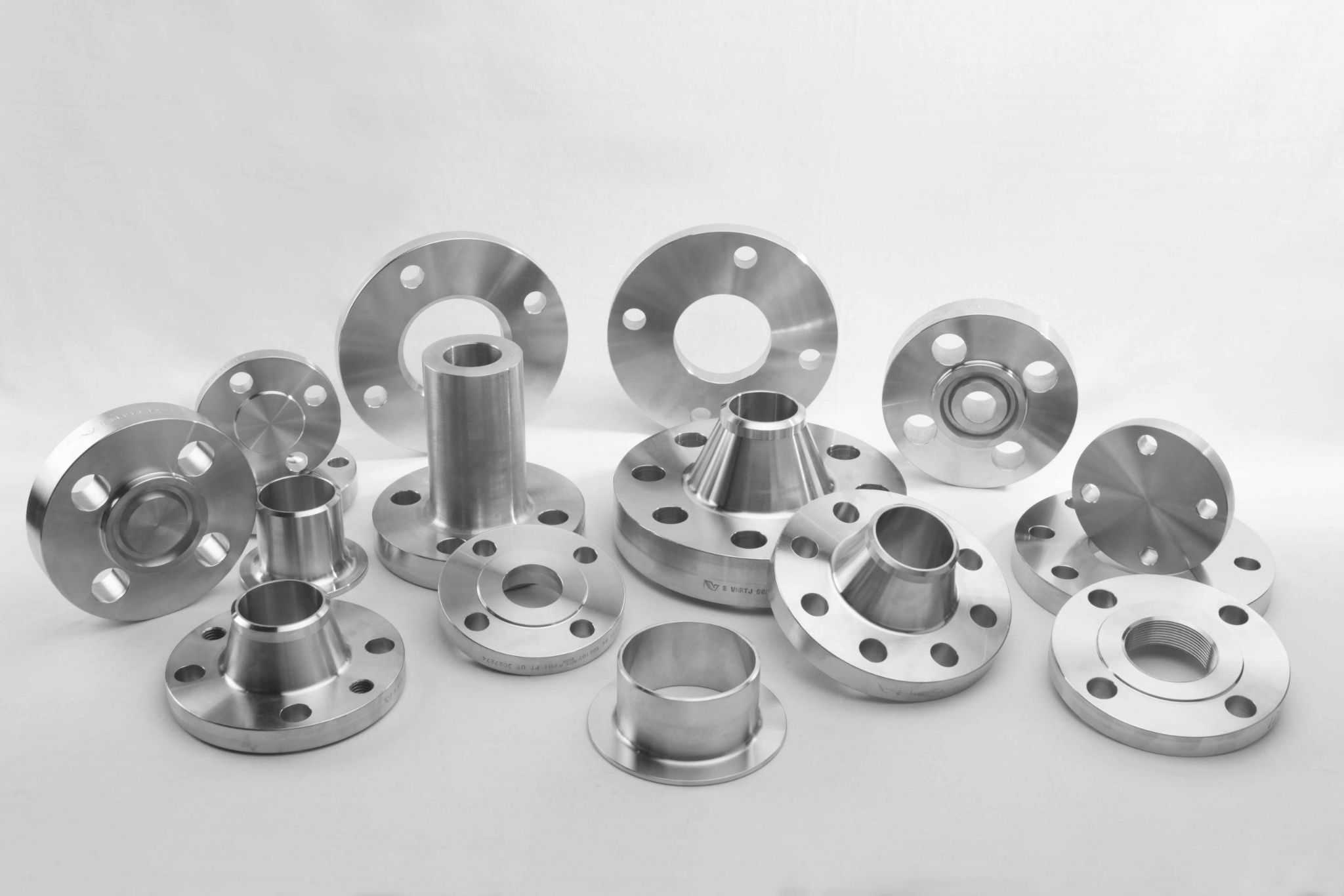 | Stainless Steel Flanges PED Steel Flanges / Weld Neck Flanges / ASTM A 182 Stainless Steel WNRF Flanges,Din Standard Flanges; DIN... View product → |
Frequently asked questions
When is a threaded flange suitable for a piping line?
Use it for small-bore utility, instrument, and maintenance connections where welding is restricted and pressure, temperature, vibration, and thermal cycling are modest. Avoid it for cyclic, high-temperature, highly corrosive, or hazardous service.
What must you specify when selecting a stainless steel threaded flange?
Specify nominal pipe size, pressure class, design pressure and temperature, stainless grade such as 304L or 904L, pipe-thread standard, flange dimensions, facing, bore, gasket, bolting, and assembly controls.
How do you match a threaded flange to the pipe?
Confirm the nominal size and thread standard, such as ASME B1.20.1 NPT, and verify whether the pipe uses a male or female thread. Check the flange bore, outside diameter, bolt-hole circle, hole count, and flange thickness against the selected standard.
What should you verify when the flange is delivered?
Check the marking, material grade, heat or batch number, dimensions, face finish, bore, thread gauge fit, bolt holes, and visible damage. Compare the inspection certificate and material test report with the purchase specification.
Related products
 | Stainless Steel Flanges Manufacturer of ASTM A182 F304L Slip on and WNRF Flanges in India Stainless Steel 304L Flanges 304L Stainless Steel Flanges are made up of 304L... View product → |
 | Stainless Steel Flanges Manufacturer – Chirag Steel Chirag Steel is a trusted and reliable Stainless Steel 316L Flanges Manufacturer, Supplier, and Exporter, offering... View product → |
 | Stainless Steel Flanges ASTM A182 F316 Blind flange and Weld Neck Flanges Manufacturer in India Stainless Steel 316 Flanges 316 Stainless Steel Flange Dimensions differ from... View product → |