A BLRF flange is more than a stainless steel closing plate: its raised face, bolt pattern, gasket seating surface and pressure class determine whether it can be reused across real maintenance and fabrication orders. By the end, you will know which BLRF sizes and grades are worth stocking, when 304 or 316L is the safer choice, and what documents to demand before adding inventory.
Key takeaways
- Use BLRF flanges to close lines while serving multiple compatible orders.
- Match flange dimensions, pressure class, face type, and material certificate before dispatch.
- Choose 304L for general service and 316L for chloride or corrosive environments.
- Store flanges dry, capped, traceable, and separated by grade and specification.
What a BLRF flange is and why one item can serve several orders
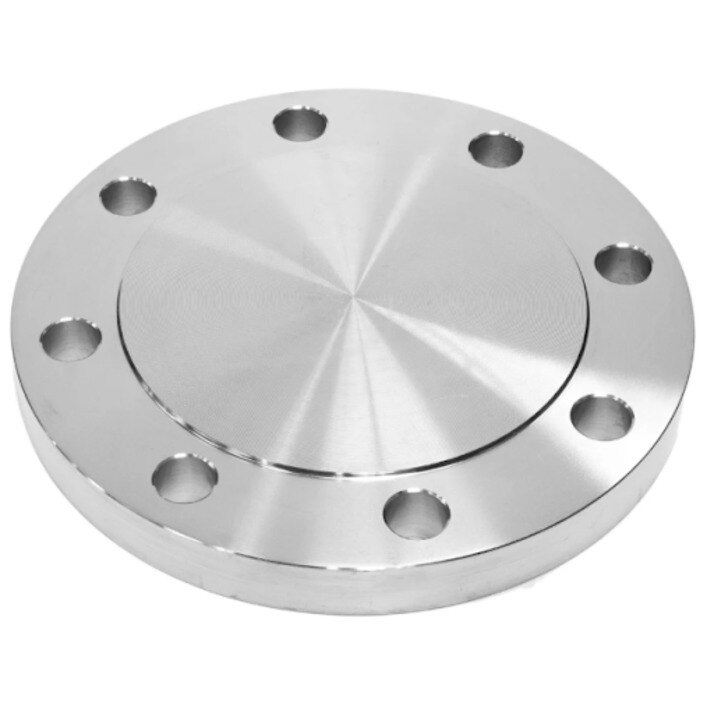
A BLRF flange is a blind, raised-face flange: a solid circular plate with no pipe bore. It closes the end of a line rather than allowing flow through it. The plate carries bolt holes around its edge, while the raised face projects slightly from the plate to concentrate clamping force on the gasket.
The raised face is also the gasket seating surface. Bolt holes align the flange with its mating flange; bolts then compress the correctly selected gasket between both faces. The seal still depends on compatible gasket material, clean and undamaged faces, proper alignment, suitable bolts and a controlled tightening sequence.
A raised face is not automatically compatible with every gasket system.
The same BLRF flange can serve several orders when the nominal pipe size, pressure class, material, standard and temperature-pressure rating match the application. The SKU logic behind blrf flanges for metal stockists comes from their use at different line points:
- A permanent line termination where no flow path is required.
- A removable end for inspection, cleaning or maintenance access.
- An unused branch reserved for a future pipe or equipment connection.
- A temporary hydrotest boundary when the test pressure and procedure permit it.
This reuse reduces duplicate inventory, but a BLRF flange is not a substitute for a valve where operators need frequent, controlled isolation.
How BLRF flanges improve stock control for Hyderabad buyers
Among the stainless steel BLRF flanges benefits for stockists in Hyderabad, SKU reuse matters most. One correctly specified blind raised-face flange can answer several smaller orders instead of sitting under a single application code.
- Maintenance orders needing a replacement line end
- Unused branches capped until a future connection is approved
- Removable line ends where equipment or piping may be disconnected
- Hydrotest boundaries that need temporary closure during testing
That flexibility reduces dead stock, but only when you match the complete specification. Record nominal pipe size, pressure class, governing standard and temperature rating as separate fields; “NPS 4 stainless blind flange” is not a usable inventory description.
A flange that matches the pipe size can still have the wrong ASME B16.5 dimensions, bolt circle, facing or pressure-temperature rating.
Track grade and documentation separately too. A 316L flange does not automatically equal a carbon-steel flange in service, because bolts, gasket, mating flange, piping loads and temperature affect the design rating.
Do not treat a BLRF flange as a substitute for a frequently operated valve. It provides a bolted, relatively infrequent closure; repeated isolation requires a valve designed for controlled opening, throttling or cycling. Stock the reusable sizes and classes demanded by maintenance work, then source unusual combinations against a confirmed enquiry.
When BLRF beats a flat-face, weld-neck, slip-on or SWRF flange
Choose BLRF for a bolted, removable line end; choose another configuration when the joint must attach pipe, protect a fragile face, or tolerate severe welding loads. The raised face concentrates gasket compression, but it needs a compatible gasket, matching flange face, correct bolt alignment and controlled tightening.
| Option | Better choice | Why |
|---|---|---|
| BLRF versus blind flat-face | BLRF for standard steel equipment connections | The raised face improves gasket load concentration and suits common raised-face piping. Choose a flat-face blind flange for low-pressure service or fragile cast-iron, glass-lined or plastic equipment; a raised face can crack or distort the mating face. |
| BLRF versus weld-neck raised-face | BLRF for closure; weld-neck for a permanent welded joint | A BLRF has no bore and terminates a nozzle, branch or test boundary. A weld-neck flange connects to pipe and transfers stress through a tapered hub, making it the stronger choice for cyclic, high-temperature or high-integrity welded service. |
| BLRF versus slip-on | BLRF for isolation; slip-on for faster pipe fabrication | A slip-on flange has a bore and slides over the pipe before fillet welding. It saves fabrication time, but it is not a line end or substitute for a blind flange. |
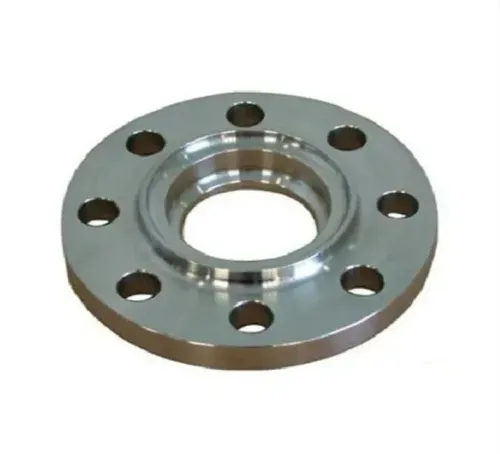
| BLRF versus SWRF | BLRF for a removable end; SWRF for compact small-bore connections | A socket-weld raised-face flange accepts pipe into a machined socket and suits space-limited small-bore installation. It still requires welding and inspection, unlike a bolted BLRF closure. |
For BLRF flanges for metal stockists, the practical advantage is SKU reuse: one correctly rated item can serve an unused branch, removable termination or hydrotest boundary. Keep a valve when operators need frequent, controlled isolation; a bolted blind flange is slower to remove and is not an operating valve.
Choosing between 304, 304L, 316 and 316L
304 is the practical starting point for ordinary water, food-processing lines and indoor, non-chloride service. Choose 304L instead when the BLRF flange will be welded or exposed to welding heat, because its low carbon content reduces chromium-carbide sensitization; it does not raise the pressure rating.
| Grade | Service-based choice | What to verify |
|---|---|---|
| 304 | 304 stainless steel BLRF flanges suit many atmospheric, food and non-chloride water applications. | Confirm chloride exposure, crevices and contamination controls. |
| 304L | Use for welded fabrication or thermal exposure where low carbon matters. | Match the welding procedure and specified material grade. |
| 316 | Select when molybdenum-bearing stainless steel is required for improved localized-corrosion resistance. | 316 is not automatically interchangeable with 316L for a specified job. |
| 316L | 316L BLRF flanges in Hyderabad fit chloride exposure, marine air, aggressive cleaning chemicals or a process specification calling for low-carbon 316. | Check temperature, concentration, crevice conditions and the project specification. |
The 2–3% molybdenum associated with 316 and 316L improves resistance to chloride pitting compared with 304 and 304L. It does not make 316L immune: stagnant gaps, deposits, high chloride concentration and unsuitable temperatures can still cause pitting or crevice attack.
Treat “stainless” as a service decision, not a guarantee. Grade alone does not establish pressure capability; confirm the flange standard, pressure class, temperature, bolts, gasket, mating flange and piping loads before substituting one grade for another.
How to buy and store BLRF inventory without creating specification risk
A “SS blind flange” quotation is not a specification. The stainless steel BLRF flanges benefits for stockists in Hyderabad come from controlling every identifying detail before purchase and preserving it through storage.
1. Confirm the governing standard and size: ASME B16.5 for NPS 1/2 through NPS 24, or ASME B16.47 for NPS 26 through NPS 60. Record NPS, pressure class, bolt pattern and face finish; a visually similar flange can have the wrong thickness or rating.
2. Specify ASTM A182/A182M and the complete grade designation, such as F304, F304L, F316 or F316L. “316L” alone does not define dimensions, facing or inspection requirements.
3. Match the raised face and finish to the mating flange and gasket. Confirm gasket material, inner and outer diameter, spiral-wound or other construction, and the service temperature before accepting the item.
4. Require heat or batch traceability, a material test report, dimensional inspection records and positive material identification where the project specifies PMI. These documents help prevent 304 and 316L mix-ups.
5. Store stainless flanges on clean, dry, non-carbon-steel racks with grade and heat numbers visible. Prevent carbon-steel tools, grinding dust and shared handling from contaminating the sealing face.
6. Hold fast-moving 304/304L sizes and classes; source unusual combinations, including 316L BLRF flanges in Hyderabad, against an enquiry. Chirag Steel can support exact, documented enquiries instead of generic stainless-flange substitutions.
Related products
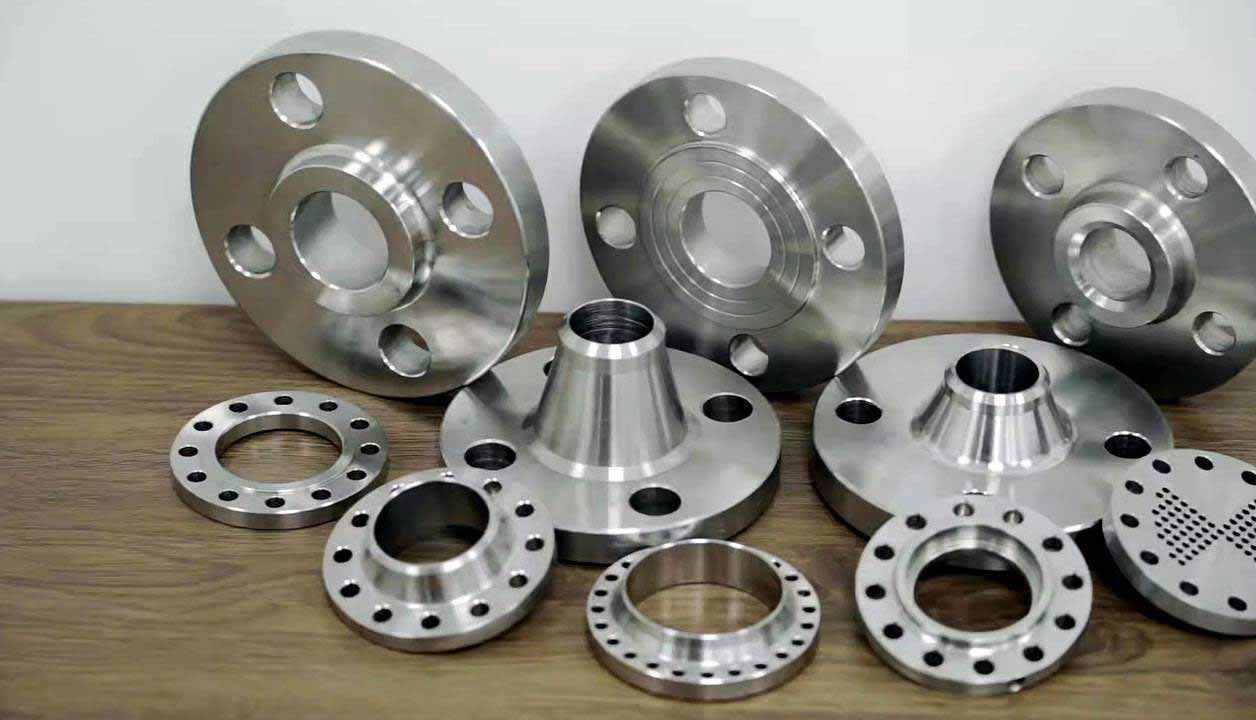 | Stainless Steel Flanges Manufacturer of ASTM A182 F304L Slip on and WNRF Flanges in India Stainless Steel 304L Flanges 304L Stainless Steel Flanges are made up of 304L... View product → |
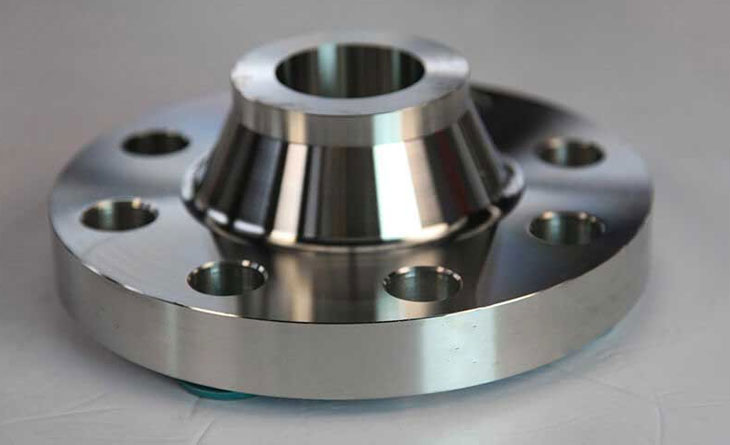 | Stainless Steel Flanges ASTM A182 F316 Blind flange and Weld Neck Flanges Manufacturer in India Stainless Steel 316 Flanges 316 Stainless Steel Flange Dimensions differ from... View product → |
Frequently asked questions
What is a BLRF flange?
A BLRF flange is a blind, raised-face flange: a solid plate with bolt holes and no pipe bore, used to close a line.
When does a BLRF flange beat a flat-face flange?
Choose a BLRF flange when the raised face suits the gasket and mating flange, while a flat-face flange is needed for fragile or flat-faced equipment.
How do 304, 304L, 316, and 316L BLRF flanges differ?
304 suits general corrosion service, 304L supports welding with lower carbon, 316 offers improved resistance to chlorides, and 316L combines chloride resistance with lower carbon for welded systems.
How should stockists store BLRF flange inventory?
Store flanges off the floor in a dry area, protect raised faces, preserve heat and material identification, and separate grades, pressure classes, dimensions, and face types.
Related products
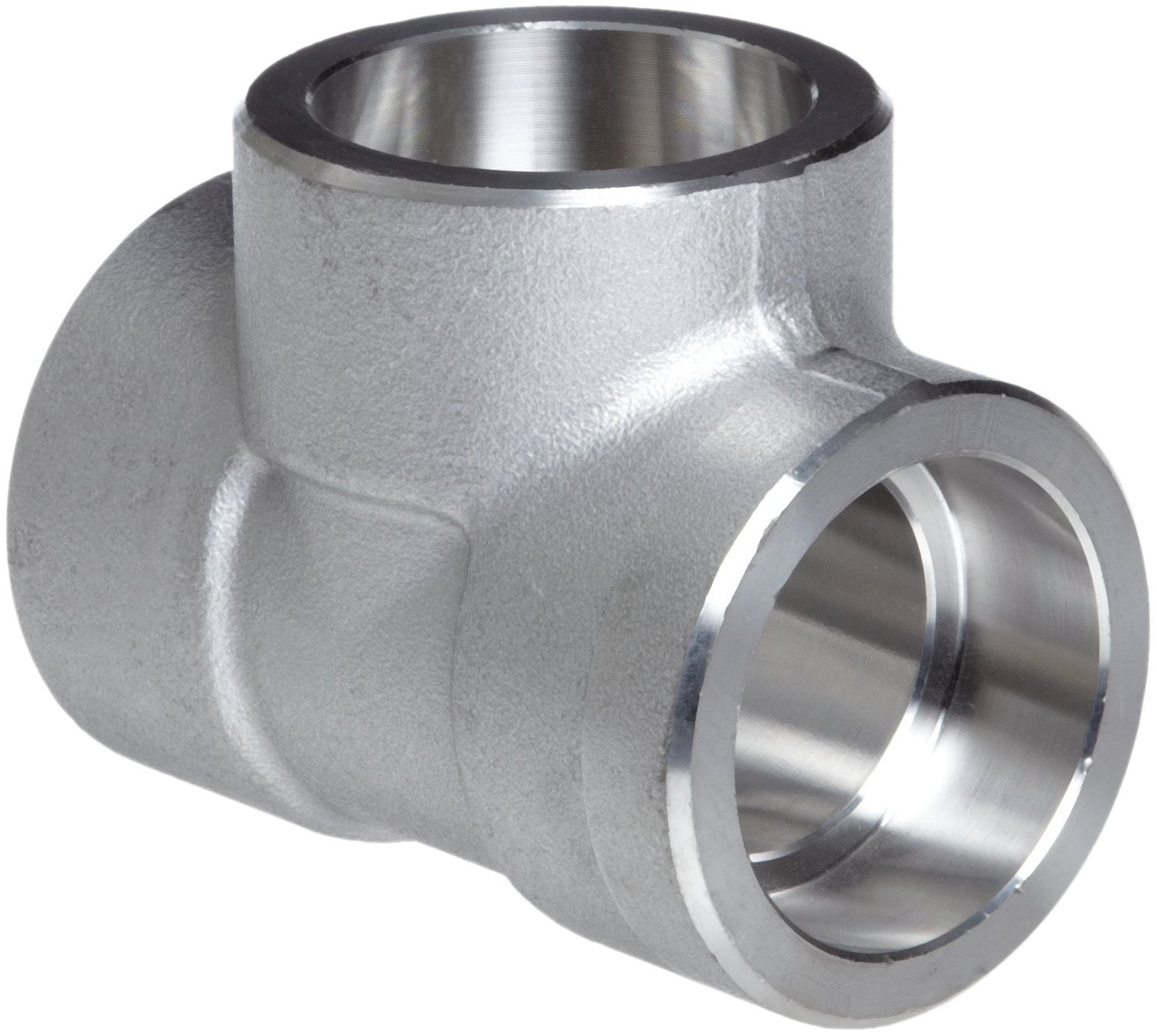 | Stainless Steel Pipe Fittings Stainless Steel Socket Weld Fittings Chirag Steel Chirag Steel is a leading supplier and stockist of Stainless Steel Socket-Weld Fittings, manufactured to international quality standards... View product → |
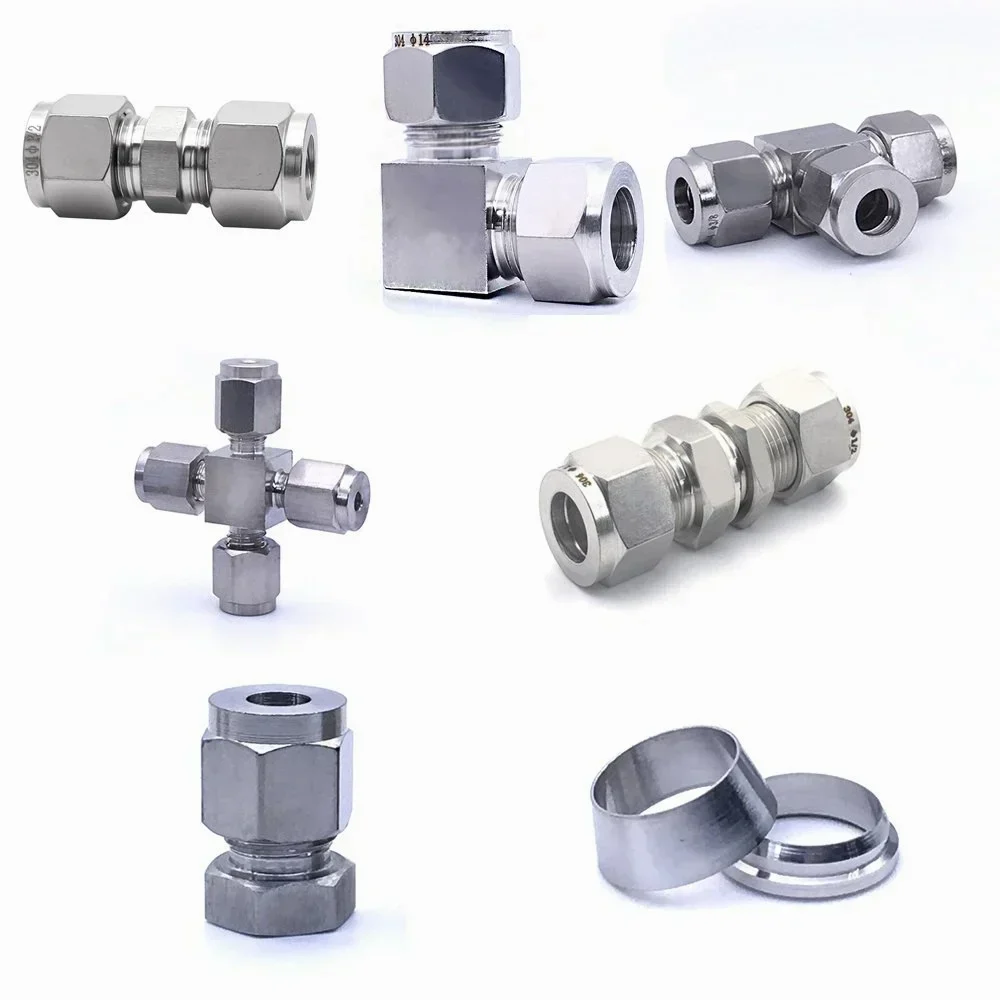 | Stainless Steel Pipe Fittings Stainless Steel Ferrule Fittings Here is professional content you can use for Chirag Steel website, catalogue, or IndiaMART listing: Stainless Steel Ferrule Fittings – Chirag Steel... View product → |
 | Stainless Steel Flanges Manufacturer – Chirag Steel Chirag Steel is a leading Stainless Steel 904L Flanges Manufacturer, Supplier, and Exporter, offering premium-quality... View product → |