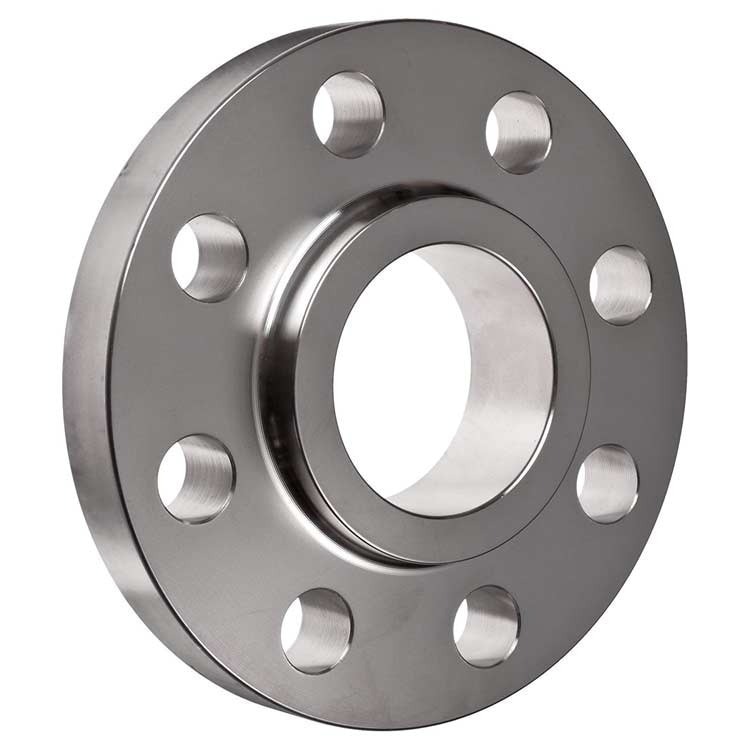
Choosing a flange by nominal size and pressure class alone can create mismatched bolt patterns, difficult fabrication, or premature fatigue damage. By comparing SORF construction with weld-neck, socket-weld, threaded, lap-joint, blind, and flat-face options, you can match the connection to service conditions and write a purchase specification that avoids field rework.
Key takeaways
- Use SORF flanges for moderate-duty piping with accessible, economical fillet welding.
- Choose weld-neck flanges for high pressure, temperature, fatigue, or severe cyclic service.
- Select stainless steel grade from chlorides, chemicals, temperature, and process contamination risks.
- Specify ASME class, facing, dimensions, materials, testing, welding, and documentation explicitly.
What a stainless steel SORF flange is and where it fits
A stainless steel SORF flange is a slip-on raised-face flange. The pipe passes through the flange bore and projects slightly beyond its face; the fabricator aligns the flange and makes fillet welds on both the hub-side circumference and the pipe-side bore.
The raised face provides the gasket seating surface and concentrates bolting pressure around the joint.
SORF is a configuration, not a separate pressure-design standard. ASME B16.5 governs common NPS 1/2 through NPS 24 sizes, while ASME B16.47 covers NPS 26 through NPS 60; its Series A and Series B bolt patterns are not interchangeable.
State the standard, edition, NPS, bore or pipe schedule, facing, grade, and flange class before ordering flanges for EPC projects.
Use a SORF where straightforward fabrication, easy alignment, and a bolted maintenance break matter:
- Equipment nozzles and valve connections in moderate-duty process piping
- Utility lines carrying water, air, nitrogen, or other non-severe services
- Removable joints near pumps, strainers, instruments, and maintenance access points
- Prefabricated spool assemblies where fit-up speed reduces shop work
Do not select it solely because Class 150 or Class 300 exceeds the design pressure. Its fillet-welded attachment gives a less favourable stress transition than a weld-neck flange, so severe thermal cycling, vibration, high piping loads, and high-consequence process lines usually call for a weld-neck design instead.
SORF versus weld-neck, socket-weld, threaded, lap-joint, and blind flanges
The stainless steel flange comparison turns on the connection problem, not nominal pressure class alone. A SORF reduces fit-up effort: the pipe passes through the flange, tolerates less exact cut length, and receives hub and bore fillet welds.
That convenience adds weld metal, possible bore mismatch, and a less favourable fatigue path than a butt-welded hub.
| Option | Connection problem solved | Fabrication and service compared with SORF |
|---|---|---|
| Weld-neck | High loads, vibration, thermal cycling, or fatigue | Requires accurate pipe-end alignment and butt welding, but its tapered hub gives smoother stress transfer and better high-consequence service capability. |
| Socket-weld | Smaller-bore piping where external pipe-through fit-up is awkward | The pipe seats inside the socket and receives a fillet weld; it avoids external fit-up, but size and crevice limitations restrict service compared with SORF. |
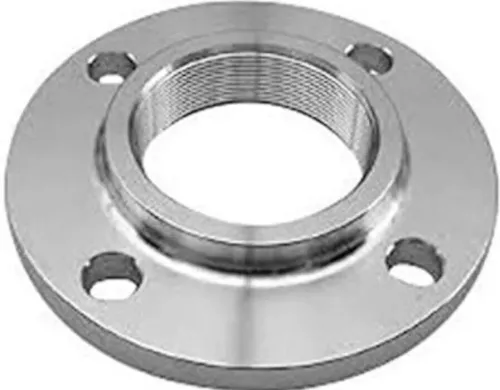
| Threaded | A connection where welding is prohibited or impractical | Eliminates welding, but threads introduce leakage, assembly, temperature, and pressure limitations that a SORF avoids. |
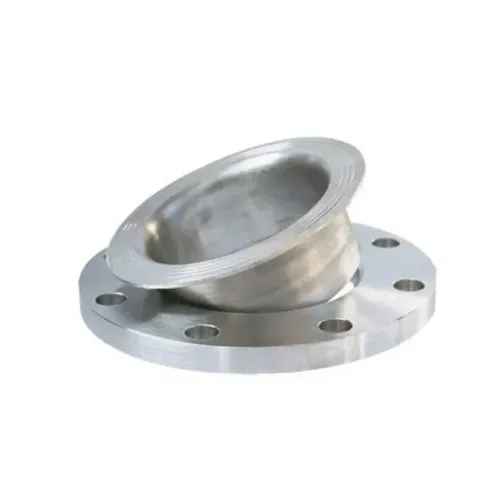
| Lap-joint | Bolt-hole rotation and economical alloy exposure | Needs a separate stub end, an extra weld, and controlled flange-to-stub positioning; it is not a one-piece SORF and is not automatically cheaper. |
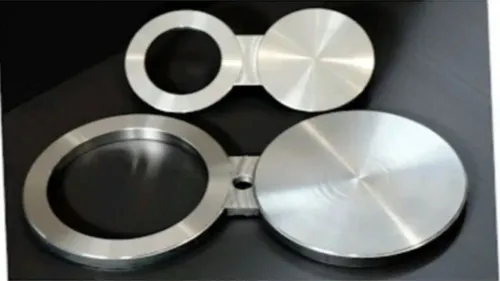
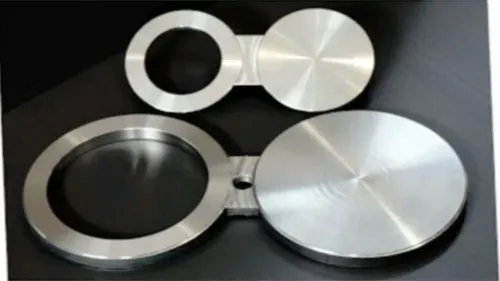
| Blind | Closing a nozzle, vessel opening, or pipeline end | Requires no pipe attachment, but provides no passage; use it for isolation or future access, not flow connection. |
For stainless steel SORF flanges versus other flange options, select SORF for accessible utility lines, equipment connections, and prefabricated spools when cyclic stress is modest. Choose weld-neck when vibration, severe gradients, or fatigue governs; a matching pressure class does not make SORF equivalent.
Match the flange to pressure, temperature, fatigue, and facing requirements
Use a SORF when the design basis calls for a standard raised-face joint in relatively stable service, the selected ASME B16.5 or ASME B16.47 pressure class covers design pressure and temperature, and the pipe schedule allows a sound hub and bore fillet weld. A matching pressure class alone is not enough.
Reject SORF flange selection for conditions that amplify local weld or hub stresses:
- Choose a weld-neck flange for severe thermal cycling, repeated start-ups, high piping loads, vibration, or high-consequence lines. Its tapered hub and butt-welded pipe connection provide a smoother stress transition.
- Check the pipe schedule and bore. A large internal step, thin-wall fit-up, or demanding flow service can increase turbulence, erosion, and weld stress; specify a bored weld neck when a continuous internal profile matters.
- Match the stainless grade and weld procedure to the corrosion assessment. An inside fillet weld and crevice at the flange bore can become a corrosion site, especially where deposits, chlorides, or stagnant fluid remain.
- Confirm the mating face before ordering. Raised face, flat face, gasket dimensions, bolt material, and tightening method must work as one joint; ASME B16.5 facing dimensions do not select the gasket or bolting procedure.
For flanges for EPC projects, record design pressure, design temperature, cycle count, vibration basis, pipe schedule, corrosion allowance, facing, gasket standard, and leak-test requirement in the piping class. Use a blind flange for line termination or isolation, not for joining pipe to a flange.
Select the stainless steel grade from the process corrosion assessment
Choose the grade from process chemistry, temperature, concentration, contaminants, and crevice exposure—not from pressure class or the word “stainless.” A stainless steel flange comparison is useful only when those conditions match the piping material class and corrosion assessment.
| Grade | Select when | Critical limitation |
|---|---|---|
| 304/304L | Clean water, dry service, and many general industrial environments | Chlorides, deposits, and warm stagnant crevices can cause pitting; 304L suits welded fabrication where reduced carbon is specified |
| 316/316L | Chloride exposure or more demanding chemical service requires better pitting resistance than 304 | Molybdenum does not prevent crevice attack beneath gaskets, inside an incompletely sealed SORF bore, or under deposits; 316L supports lower-carbon welded construction |
| 904L | The assessment identifies severe corrosion, such as concentrated sulfuric-acid service within the alloy’s qualified operating envelope | It is not a universal upgrade; verify temperature, acid concentration, welding procedure, availability, and compatibility with adjoining materials |
For SORF flange selection, state the exact product specification and grade, such as ASTM A182 F304L or F316L, rather than “stainless steel.” Confirm carbon limits, solution-annealing condition, weld procedure, and traceability requirements. Use the same grade decision for the pipe, flange, weld consumable, and wetted attachments unless the corrosion review approves dissimilar materials.
A 904L flange paired with 304 piping does not make the process boundary 904L.
Write an EPC purchase specification that suppliers can build correctly
“Stainless steel SORF, Class 150” is not a complete purchase description. It can deliver a flange that will not fit the pipe, gasket, valve, or project material class.
| Field to state | Required purchase detail | Failure prevented |
|---|---|---|
| Dimensional standard | ASME B16.5, including edition, NPS, pressure class, flange series, bore or pipe schedule, and RF dimensions; use ASME B16.47 for NPS 26–60 | Noninterchangeable drilling or bore |
| Material | ASTM A182 F304, F304L, F316, F316L, or 904L grade as specified by the piping class; add solution-annealing and heat-treatment requirements | Wrong corrosion or welding performance |
| Configuration | Slip-on raised-face; pipe outside diameter, wall thickness, bore, hub dimensions, and inside and outside fillet-weld requirements | Incorrect fit-up or an omitted weld |
| Joint details | RF facing finish, gasket standard and material, bolt and nut material, lubricant, tightening method, and controlled-bolting requirement | Leakage or incompatible assembly |
| Inspection | Visual and dimensional inspection, chemical and mechanical test results, PMI, surface examination, and acceptance criteria | Undetected grade or dimensional errors |
| Traceability | Heat number on each flange, matching material test report, marking format, country-of-origin record, and EN 10204 certificate level | Lost identity after fabrication |
Ask suppliers to reproduce the complete callout on their quotation and drawing. Chirag Steel can be evaluated the same way: require the heat number, grade, standard edition, bore, facing, and inspection documents before release.
Also state the design temperature and pressure so the ASME B16.5 pressure-temperature table is checked for the actual material group, size, class, and facing.
Related products
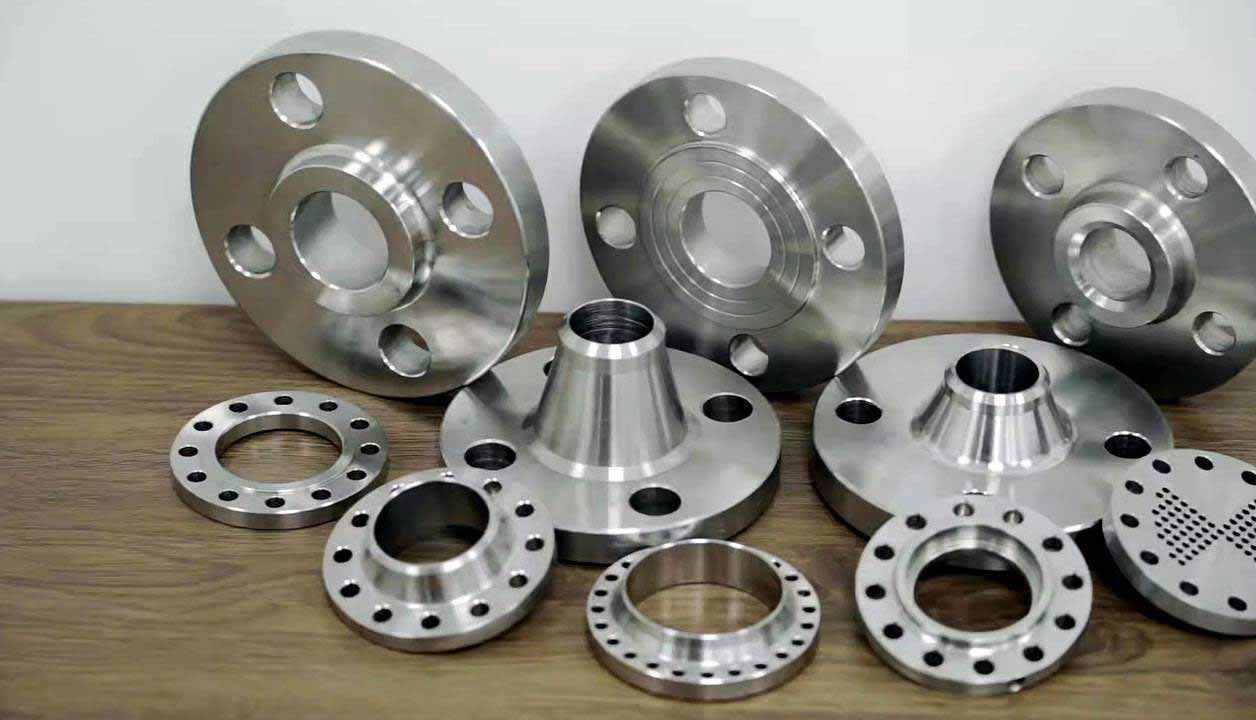 | Stainless Steel Flanges Manufacturer of ASTM A182 F304L Slip on and WNRF Flanges in India Stainless Steel 304L Flanges 304L Stainless Steel Flanges are made up of 304L... View product → |
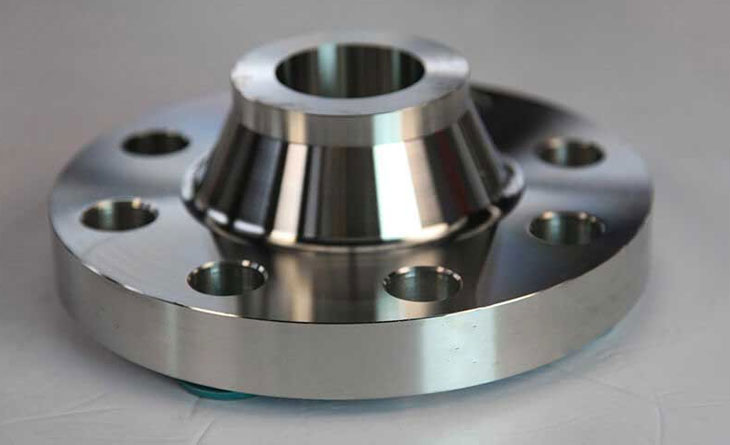 | Stainless Steel Flanges ASTM A182 F316 Blind flange and Weld Neck Flanges Manufacturer in India Stainless Steel 316 Flanges 316 Stainless Steel Flange Dimensions differ from... View product → |
Frequently asked questions
What is a stainless steel SORF flange, and where is it used?
A stainless steel SORF flange is a slip-on raised-face flange. The pipe passes through its bore, and the fabricator makes fillet welds at the hub-side circumference and pipe-side bore. It suits many moderate-duty process, utility, fabrication, and maintenance connections.
How does a SORF flange compare with a weld-neck flange?
A SORF flange costs less to fabricate and needs less pipe-end preparation, but its fillet-welded connection has lower fatigue resistance than a butt-welded weld-neck flange. Choose a weld-neck flange for high pressure, high temperature, severe cycling, vibration, or critical service.
How should you select a flange for pressure and temperature?
Check the pressure-temperature rating for the flange material and ASME class, then confirm the design pressure, design temperature, gasket, facing, bolt material, and piping loads. Do not treat a Class 150 or Class 300 label as a universal allowable pressure.
How do you choose the stainless steel grade for a flange?
Base the grade on the process corrosion assessment, including chloride concentration, pH, reducing or oxidising conditions, temperature, crevice exposure, and cleaning chemicals. Compare grades such as 304 or 316 against the actual service rather than choosing stainless steel by name alone.
What must an EPC purchase specification state for stainless steel flanges?
State the flange type, ASME B16.5 or ASME B16.47 dimensional standard, NPS, pressure class, raised-face dimensions, bore, stainless steel grade, ASTM material specification, weld requirements, inspection tests, marking, certificates, and packing requirements.
Related products
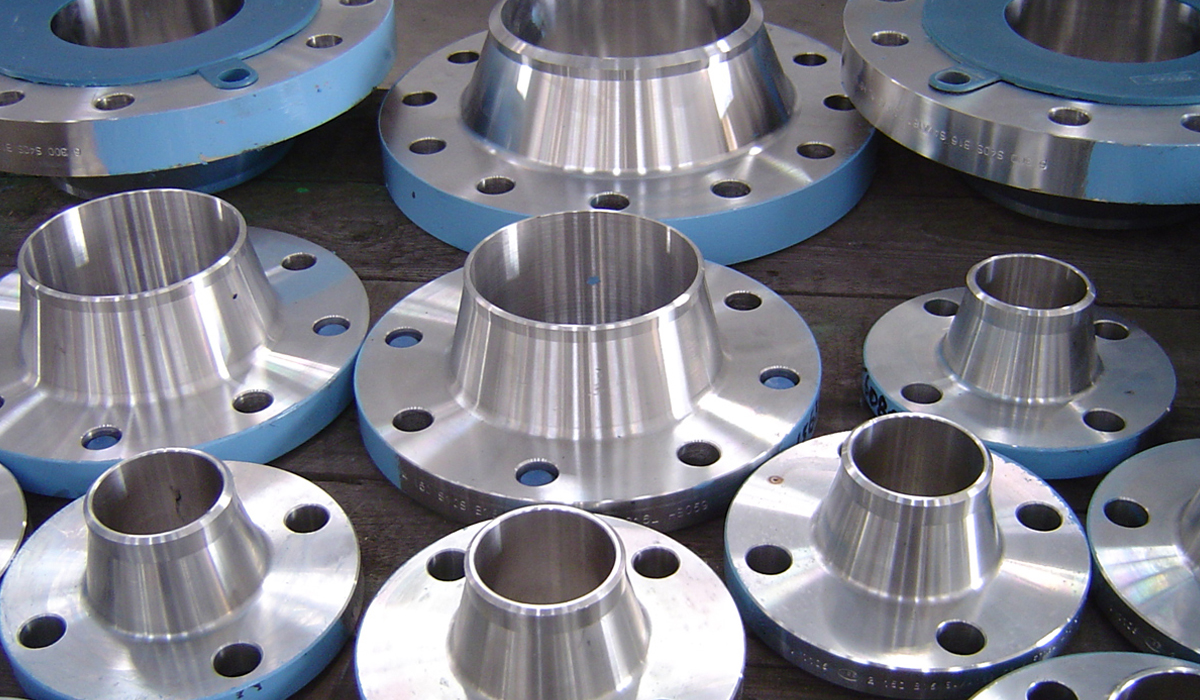 | Stainless Steel Flanges Manufacturer – Chirag Steel Chirag Steel is a leading Stainless Steel 904L Flanges Manufacturer, Supplier, and Exporter, offering premium-quality... View product → |
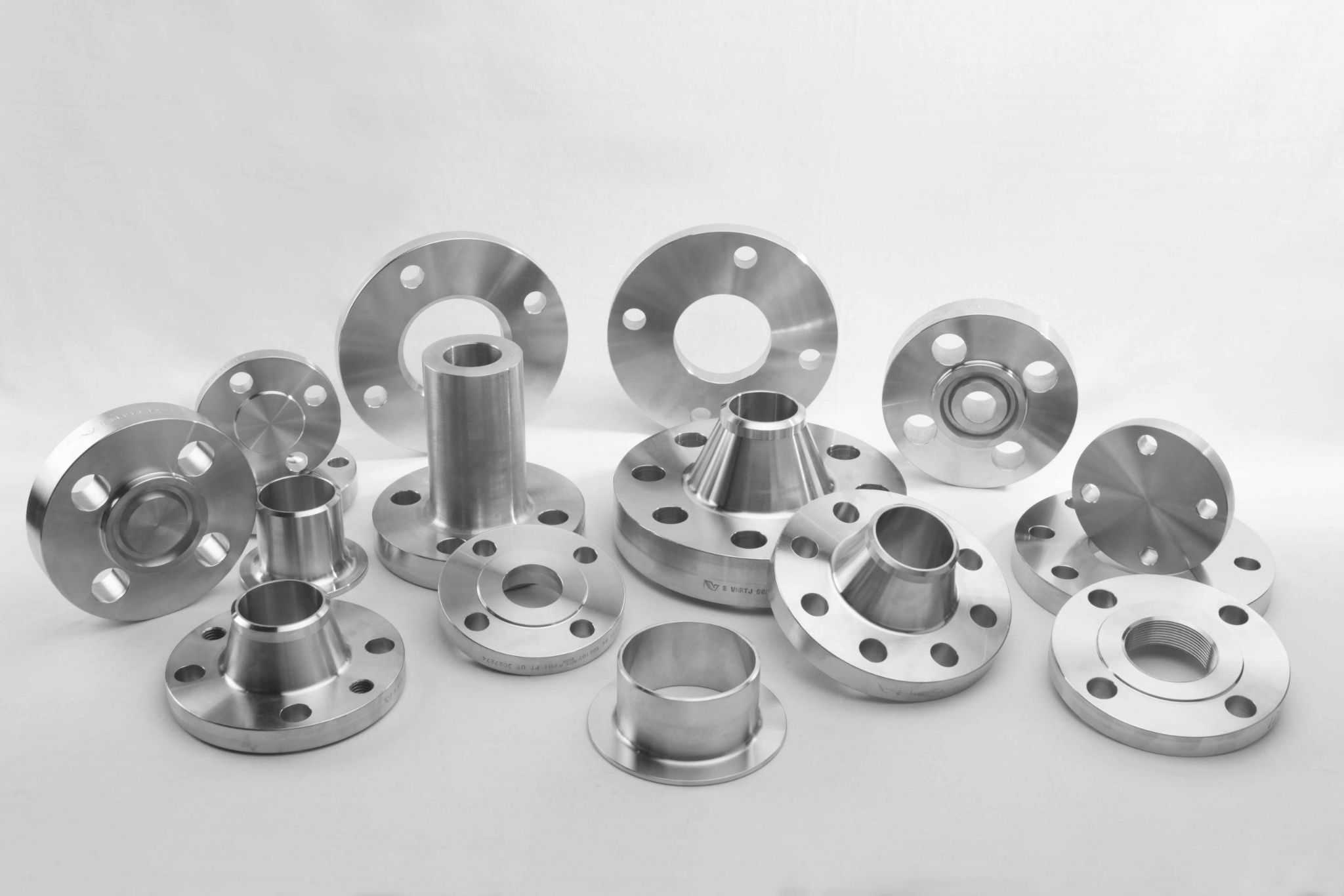 | Stainless Steel Flanges PED Steel Flanges / Weld Neck Flanges / ASTM A 182 Stainless Steel WNRF Flanges,Din Standard Flanges; DIN... View product → |
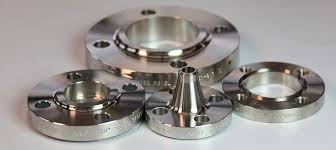 | Stainless Steel Flanges Manufacturer – Chirag Steel Chirag Steel is a trusted and reliable Stainless Steel 316L Flanges Manufacturer, Supplier, and Exporter, offering... View product → |
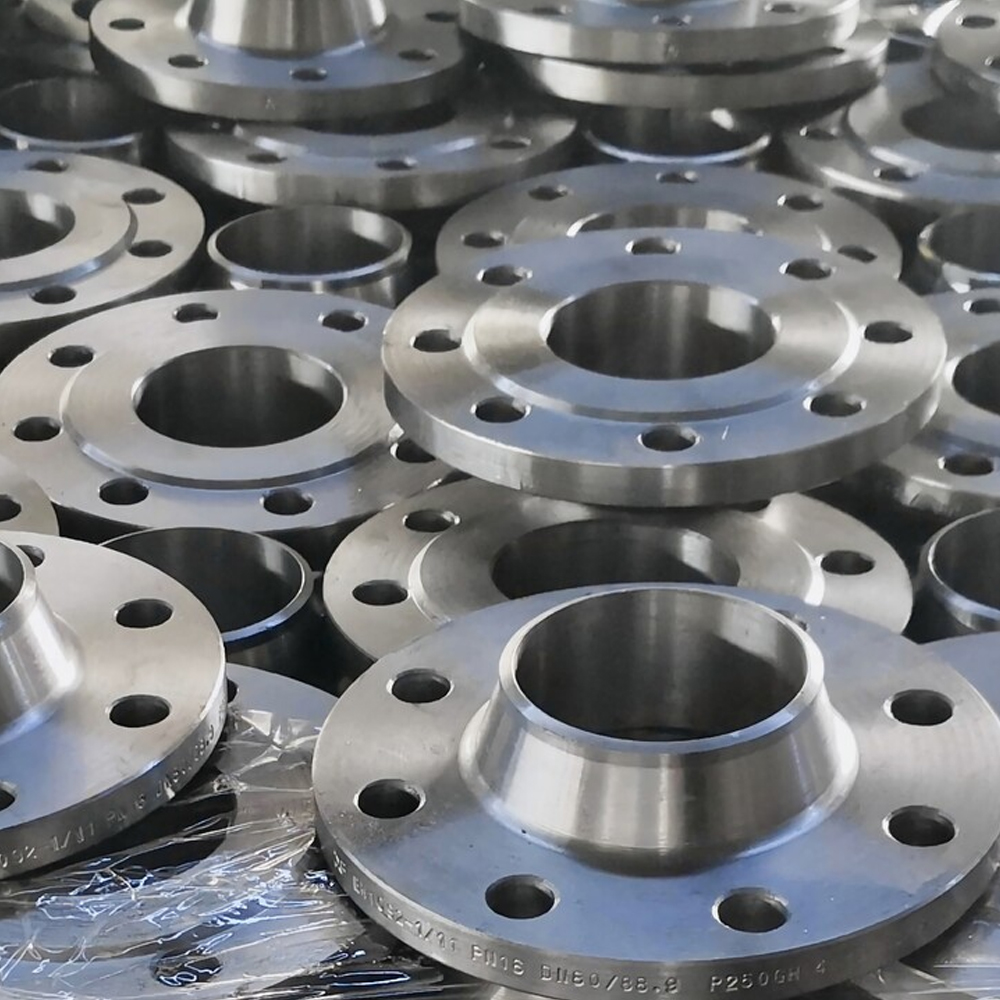 | Stainless Steel Flanges ASTM A182 F304 Blind Flange Dimension and A182 Grade F304 Slip on Flange pressure classs Great Steel & Metals is a supplier of all types of 304... View product → |