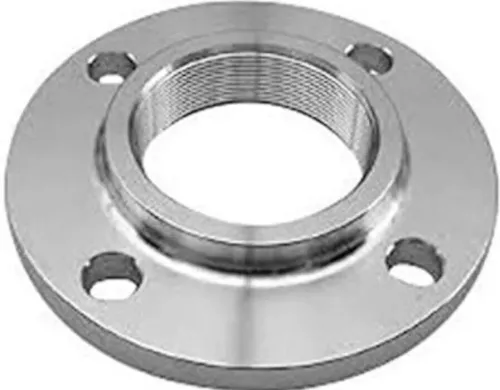

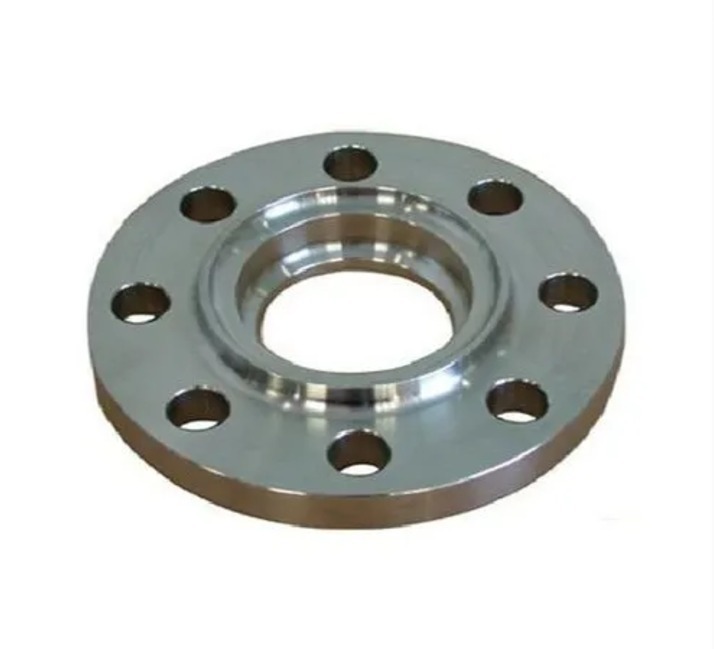
STAINLESS STEEL SWRF FLANGES are designed around a socket-weld connection and raised sealing face, providing another option for engineered piping systems where the project specification calls for this particular connection style. SWRF generally means Socket Weld Raised Face, and understanding the socket arrangement is important before deciding whether it suits an application.
With a socket weld flange, the pipe is inserted into a recessed socket in the flange before welding. This differs from a WNRF flange, where the pipe and flange are joined through a butt-weld arrangement. It also differs from the slip-on configuration used with SORF flanges.
So, when should SWRF be considered? The answer depends on the piping specification, pipe size, pressure-temperature conditions, fluid service, material, inspection requirements, and engineering design. It should not be chosen simply because the component appears compact or convenient.
Useful details to confirm during procurement include:
- Stainless steel grade
- Pipe and flange size
- Pipe schedule
- Pressure class
- Socket dimensions
- Raised-face requirement
Applicable manufacturing or dimensional standard
These details help ensure the flange matches the connected piping components and intended service.
For Hyderabad-based engineering companies, process facilities, pharmaceutical plants, and industrial contractors, procurement often involves several flange types within the same project. Understanding whether a connection requires SORF, WNRF, SWRF, blind, or another design can prevent unnecessary specification mismatches.
Chirag Steel supports industrial stainless steel flange requirements based on customer-provided specifications and application needs. The objective is to help buyers identify components according to material, dimensional, pressure, and connection requirements rather than treating all stainless steel flanges as interchangeable.
For stainless steel SWRF flange requirements in Hyderabad, share your size, grade, pressure class, pipe schedule, standard, quantity, and application details for further discussion.