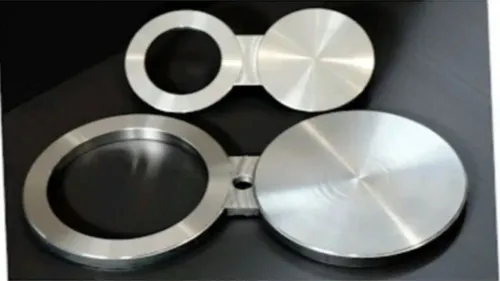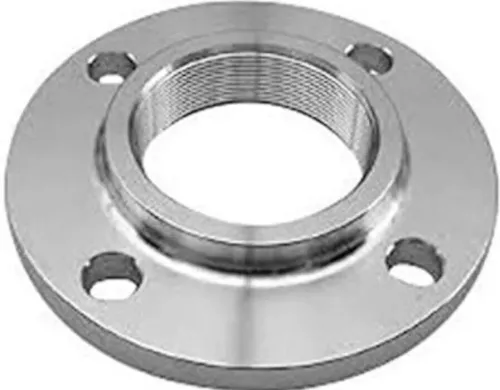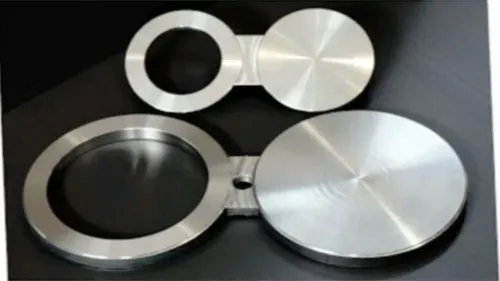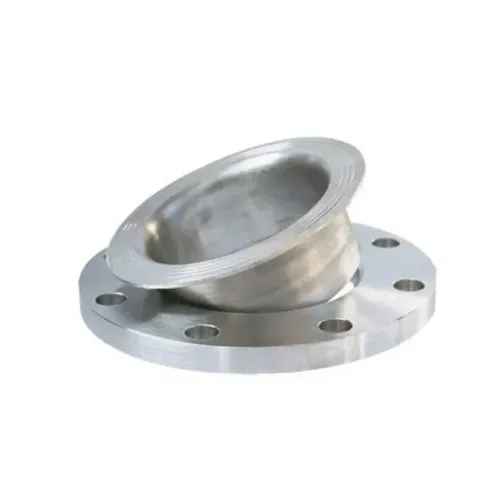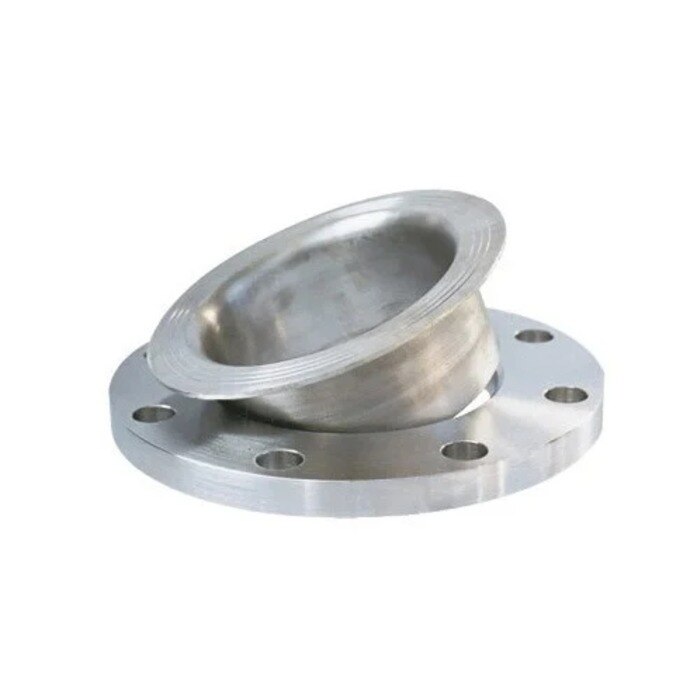
A lap joint connection combines a welded stub end with a loose backing flange, so the pipe can stay in position while the bolt holes are aligned around it. By the end, you will be able to identify the assembly, judge where its stainless steel lap joint flange uses make commercial sense, compare it with other flange types, and specify a stock-ready package without overlooking pressure, material, or traceability requirements.
Key takeaways
- Match the stub end, flange ring, gasket, bolts, size, and pressure class as one assembly.
- Rotate the loose backing flange to align bolt holes before final bolt-up.
- Choose lap joints for frequent dismantling, not permanent high-load connections.
- Dispatch material certificates, dimensions, heat numbers, and inspection records with the order.
How the Two-Piece Lap Joint Assembly Carries a Pipe Connection
A stainless steel lap joint flange is a two-piece connection, not a single flange welded directly to the pipe. The first piece is the lap-joint stub end: a short fitting welded to the pipe, with a projecting lap, raised flange face, and gasket seating surface. Its face meets the gasket and forms the process-side seal.
The second piece is the loose backing flange, which slides over the pipe before or after the stub end is welded. It has the bolt holes but does not normally contact the process fluid.
During assembly, it rotates around the stub end so you can align bolt holes without turning the pipe spool; tightening the bolts pulls the backing flange against the stub end and compresses the gasket between the mating faces.
- Stub end: weld it to the pipe, then use its face and bore to establish the connection’s sealing and flow boundary.
- Backing flange: position it behind the lap, align it with the mating flange, and transfer bolt load through the stub end rather than through a welded flange hub.
This arrangement suits lap joint flange applications involving frequent dismantling, such as equipment, filters, strainers, heat exchangers, and process skids. It also helps align prefabricated spools and reduces replacement work when the corrosion-resistant stub end is retained while the backing ring is reused.
Do not assume “stainless steel” sets the pressure rating. Specify the flange standard, pressure class or PN designation, temperature, gasket, bolts, and complete stub-end assembly; severe bending or cyclic loading can require a weld-neck design instead.
What Happens During Installation and Bolt-Up
The seal is made at the stub-end face, not at the loose backing ring. The stub end is welded to the pipe and presents the raised or flat gasket-seating surface; the backing flange then transfers bolt load through that stub end.
- Weld the stub end to the pipe using the specified procedure, keeping the bore flush and the stub face square to the pipe axis. Let the weld cool, then inspect the face for spatter, dents, and distortion.
- Slide the backing flange over the pipe and up behind the stub end. If the ring cannot pass over the completed stub, place it on the pipe before welding the stub end.
- Bring the mating flange into position. Rotate the loose ring until its bolt holes align without twisting the pipe or forcing angular misalignment.
- Clean both gasket faces, then centre the specified gasket on the stub-end seating surface. Keep the gasket out of the bore.
- Insert the bolts, fit washers and nuts, and hand-tighten them while checking that the faces remain parallel.
- Tighten the nuts in a cross-pattern, using the specified torque stages and final torque. A calibrated wrench matters; uneven tightening can crush the gasket on one side and leak on the other.
These lap joint flange advantages disappear when supports leave the pipe under strain. Confirm that the bore, gasket, stub geometry, and assembly keep the backing ring outside the wetted boundary; “lap joint” alone does not define corrosion compatibility.
Where Stockists Use Lap Joint Flanges—and Where the Benefit Ends
Frequent dismantling is the clearest reason to choose this assembly. Stainless steel lap joint flange uses include equipment connections, filters, strainers, heat exchangers, process skids, and lines requiring repeated inspection. The loose backing ring rotates for easier bolt access, so you can remove a gasket or internal component without turning the connected pipe.
| Operating situation | Why the assembly helps | Where the benefit ends |
|---|---|---|
| Frequent maintenance | Rotate the ring to reach bolts and replace gaskets faster | It still needs the correct stub-end profile, bore, and facing |
| Corrosive or expensive alloy service | Keep stainless steel or nickel alloy at the fluid-contact stub end and use a compatible lower-cost backing ring where design permits | Material compatibility and the complete assembly remain mandatory |
| Spool alignment | Rotate bolt holes to match adjoining equipment or piping | Rotation does not correct a badly cut, skewed, or poorly welded stub end |
| Severe mechanical service | Provides a demountable connection | A weld-neck flange is better for high cyclic loads, bending, or heavy external piping loads |
The main lap joint flange advantages apply only while the loose ring can move freely around a correctly fabricated stub end. Once the pipe is fixed, supports are forcing the line sideways, or bolt holes require excessive leverage, alignment becomes a fabrication problem rather than a flange benefit.
Do not select by stainless grade alone. Confirm the dimensional standard, NPS or DN, Class or PN rating, temperature, gasket, bolts, bore, facing, stub-end type and length, and piping loads. The pressure envelope belongs to the complete assembly.
How Lap Joint Flanges Compare With Other Flange Types
Choose a lap joint flange when the connection will be opened repeatedly and bolt-hole rotation will save maintenance time. Common lap joint flange applications include filters, strainers, heat exchangers, equipment nozzles, and process skids.
| Option | Choose a lap joint flange when | Choose the other flange when |
|---|---|---|
| Weld neck | You need easier dismantling, spool alignment, or gasket access | Cyclic loading, high external piping loads, or a smooth hub transition demand greater bending resistance |
| Slip-on | You need a replaceable backing ring or frequent bolt rotation | The connection is simpler, less demanding, and will not be dismantled often |
| Blind | You need a live pipe connection around a welded stub end | You need to terminate or pressure-test a branch, nozzle, or pipeline end |
| Threaded | The pipe is small, thin-wall, or unsuitable for welding | The service permits a threaded connection and welding is impractical |
| Socket weld | You need repeated disassembly or a larger pipe connection | The small-bore joint can be permanently welded and access for inspection is limited |
A lap joint is the wrong choice for severe cyclic service unless the design engineer approves its lower bending resistance. It also requires the correct stub end; a loose backing ring alone cannot connect a pipe.
Specify the flange class or PN rating, bore, facing, stub-end dimensions, and material grade. Stainless steel does not create a higher pressure rating, and the gasket, bolts, temperature, piping loads, and stub-end geometry still control the assembly. Confirm that the design keeps the backing ring outside the wetted boundary.
What an Industrial Stockist Must Match, Document, and Dispatch
A usable dispatch matches the loose backing ring to the welded stub end; a ring sold alone is not a connection. Record the following before picking stock:
- Standard: ASME B16.5, EN 1092-1, or the specified dimensional standard
- Size: NPS or DN, schedule, bore, and stub-end length
- Rating: ASME Class 150, 300, or another class; or PN designation
- Face: raised face, flat face, or the specified gasket seating finish
- Materials: backing flange and stub end grades, such as ASTM A182 F316L
- Controls: heat number, mill test certificate to EN 10204 3.1, and PMI when the project requires it
- Package: backing ring, matching stub end, gasket, bolts, nuts, and washers, each identified against the order
| Stock record | What it prevents | Dispatch check |
|---|---|---|
| Size and schedule | A bore or wall mismatch | Compare the pipe and stub-end dimensions |
| Class or PN rating | Treating stainless steel as the pressure rating | Confirm pressure-temperature requirements |
| Stub-end type and length | An unusable backing ring | Fit the ring over the stub end before packing |
| Material and heat number | Lost traceability between parts | Keep certificates with the package |
The benefits of stainless steel lap joint flanges for industrial stockists in Hyderabad include fewer stranded components and easier assembly control. Chirag Steel can support a buyer’s review by treating the flange, stub end, documents, and accessories as one specification rather than four unrelated line items.
For an industrial flange stockist in Hyderabad, that discipline matters more than listing “stainless lap joint flange” alone.
Frequently asked questions
How does a two-piece stainless steel lap joint flange assembly carry a pipe connection?
The stub end is welded to the pipe and provides the gasket seating face. The loose backing flange sits behind its projecting lap and transfers bolt load across the joint.
What happens during lap joint flange installation and bolt-up?
Fit the gasket against the stub-end face, rotate the loose flange to align the bolt holes, insert the bolts, and tighten them in a cross pattern to the specified procedure.
Where are stainless steel lap joint flanges used?
They suit piping that needs repeated dismantling, inspection, cleaning, or rotation of bolt-hole alignment, including maintenance-heavy industrial systems. They are less suitable when the joint needs a permanently welded flange or must resist high external loads.
How do lap joint flanges compare with welded neck, slip-on, and blind flanges?
Lap joint assemblies provide easier alignment and reuse than fixed welded flanges, while welded neck flanges offer stronger stress transfer. Slip-on flanges use a fixed flange welded over the pipe, and blind flanges close an open pipe end.
What must an industrial stockist match and document before dispatch?
Confirm pipe and stub-end dimensions, nominal size, pressure class, face type, material grade, gasket and bolt requirements, and compatibility between the backing flange and stub end. Dispatch heat numbers, material certificates, dimensional records, and inspection documents when specified.