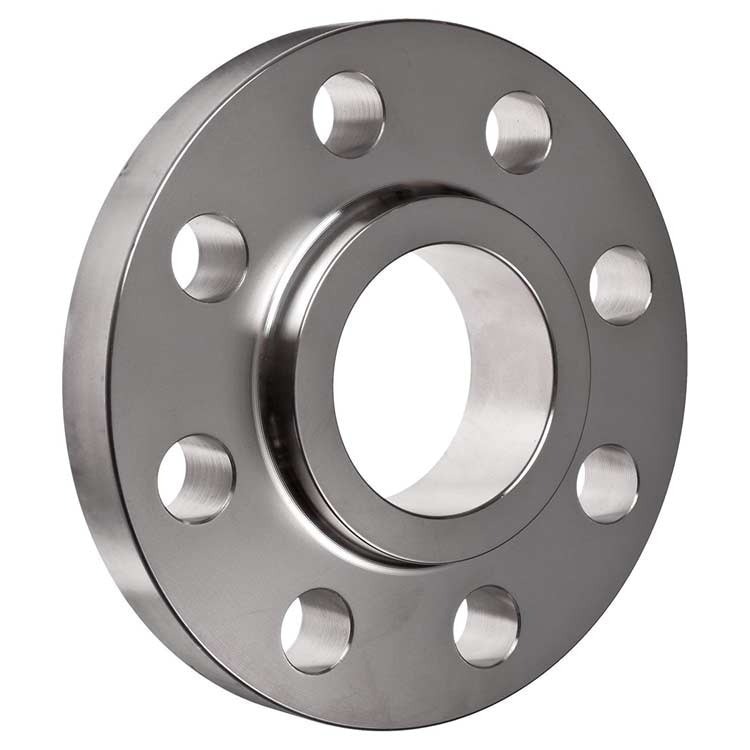
A stockist can sell stainless steel SORF flanges quickly in the right size and class, or tie up capital in combinations that customers rarely request. The decision depends on application fit, dimensional control, material documentation, repeat demand and the cost of holding slow-moving inventory.
Key takeaways
- Stock SORF flanges only when local demand matches your pressure class and bore range.
- Confirm ASME B16.5, facing, schedule, bore, and face finish before ordering.
- Check the flange, gasket, bolts, pipe, and valve as one mating assembly.
- Choose 316L when welding and corrosion resistance justify the higher stock cost.
What a SORF flange is—and where its commercial advantage ends
A SORF flange means slip-on raised-face flange: the pipe passes through the flange bore, and the raised face provides the gasket-seating surface. It differs from a plain, flat-face slip-on flange, so replacements must specify the facing designation, dimensions and face finish.
A damaged, excessively smooth or incorrect finish can prevent reliable gasket seating even when the bolt holes match.
1. Choose stainless steel SORF flanges when the system has conventional, low-to-moderate cycles and fabrication speed matters. The pipe needs less demanding end preparation, alignment is easier, and fillet welds around the pipe can reduce installation effort.
2. Reject the substitution when bending loads, vibration, repeated pressure cycles, severe thermal transients or fatigue govern the design. A weld neck flange provides better reinforcement and stress distribution; its butt-welded hub costs more to prepare, but that fabrication saving does not justify the engineering risk.
3. Confirm the flange type, facing and ASME class before selling or replacing it. Shared Class 150, 300 or 600 markings do not make different flange constructions interchangeable.
| Option | Construction or function | Best fit |
|---|---|---|
| SORF | Pipe passes through; raised face uses fillet welds | Conventional piping |
| Weld neck | Tapered hub with butt weld | Fatigue, vibration and severe thermal service |
| Socket-weld | Pipe enters a socket; fillet weld outside | Smaller-bore clean installations |
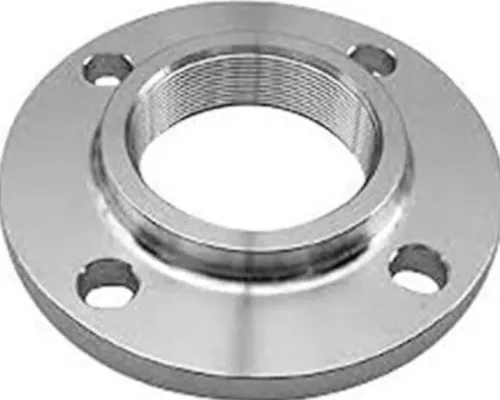
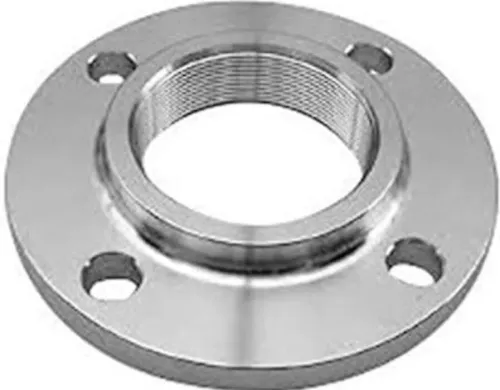
| Threaded | Internal thread accepts the pipe | No-weld repairs or hazardous welding locations |
| Lap-joint | Loose flange backs a stub end | Frequent dismantling or alignment |
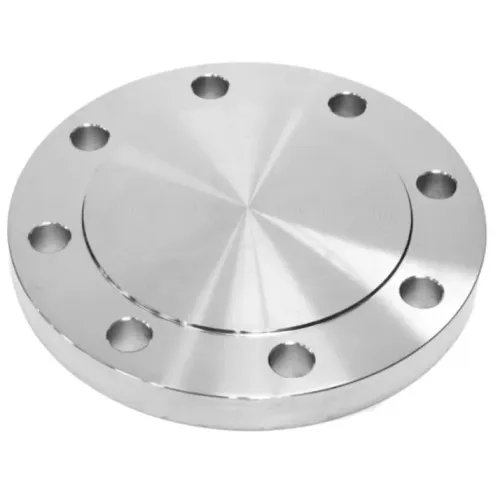
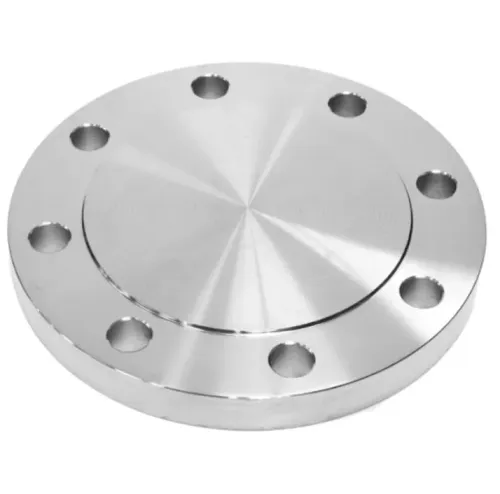
| Blind | Solid disc closes a line | Isolation, testing or future extensions |
The sorf flange benefits end where cyclic loading and external piping stress begin; stockists should sell the fabrication saving as a service advantage, not as higher pressure capability.
When stainless steel SORF flanges are worth stocking
The practical answer to the search “are stainless steel SORF flanges for worth buying” is yes, when your customers repeatedly request standard sizes, common pressure classes, raised-face configurations and conventional pipe schedules. Stainless steel SORF flanges earn shelf space through repeat sales, not through the number of specifications you could theoretically offer.
Use this stocking procedure:
1. Record sales by NPS, Class 150, 300 or 600, facing, bore, schedule, material and certification. Stock the combinations that recur; do not let one project dictate permanent inventory.
2. Hold fast-moving 304L, 316 and 316L sizes. Keep extra caution around 316L: its demand is valuable in welded marine, chemical, food-process and outdoor work, but its combinations are more fragmented than carbon-steel stock.
3. Source uncommon large diameters, high classes, special bores and unusual standards to order. Slow-moving flanges tie up cash, occupy shelf space and can become unusable when the customer’s mating standard changes.
A Class 150, 300 or 600 marking is not a universal pressure limit. The allowable assembly depends on the pressure-temperature table, flange material group, design temperature, bolts, gasket, corrosion allowance and governing piping code.
Chirag Steel can apply this distinction by separating core shelf inventory from project-specific procurement instead of treating every available specification as a stocking obligation. Confirm the complete designation before buying: standard, NPS, class, raised face, bore, schedule, material and certification.
Related products
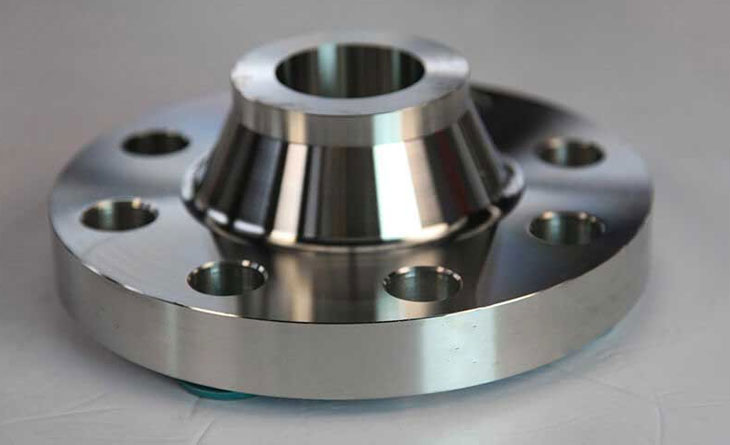 | Stainless Steel Flanges ASTM A182 F316 Blind flange and Weld Neck Flanges Manufacturer in India Stainless Steel 316 Flanges 316 Stainless Steel Flange Dimensions differ from... View product → |
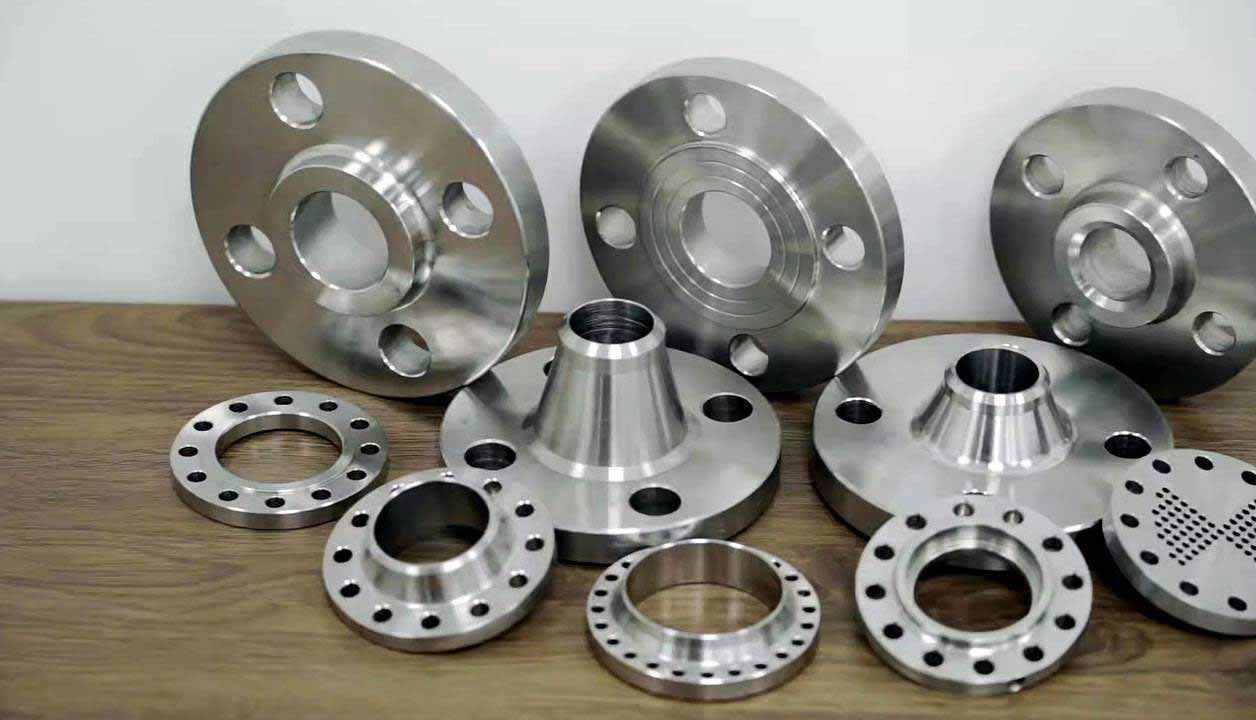 | Stainless Steel Flanges Manufacturer of ASTM A182 F304L Slip on and WNRF Flanges in India Stainless Steel 304L Flanges 304L Stainless Steel Flanges are made up of 304L... View product → |
Which dimensions and standards prevent unusable stock
A usable stock record must prove more than a nominal size. For stainless steel SORF flanges, the bore must suit the pipe’s actual outside diameter and wall thickness or schedule. A wrong bore can create an internal step, excessive weld gap or inadequate insertion depth, even when both parts carry the same NPS.
Confirm these dimensions before purchasing:
- Nominal pipe size and actual pipe outside diameter
- Bore diameter, wall thickness or schedule
- Flange outside diameter and thickness
- Bolt-circle diameter, bolt-hole count and hole diameter
- Pressure class or PN rating
- Facing, such as raised face, and its finish
The governing standard belongs on the same record as the size, rating, facing and bore. Do not accept “ANSI flange” or “stainless flange” as a complete specification.
| Standard | Size range or system | What to confirm |
|---|---|---|
| ASME B16.5 | NPS 1/2 through NPS 24 | Class 150, 300, 600 or another listed class, facing and full bolt pattern |
| ASME B16.47 | NPS 26 through NPS 60 | Large-diameter series, class, facing and dimensions; B16.5 stock does not extend automatically |
| EN 1092-1 | DN sizes with PN ratings | DN, PN rating, facing and metric bolt pattern; do not substitute for ASME Class 150, 300 or 600 |
A DN/PN flange belongs in a project specified to EN 1092-1 or another compatible European system. Mixing it with ASME hardware because the nominal size appears similar can leave the bolt holes, bore or gasket face mismatched.
How to verify the complete mating assembly before purchase
A SORF flange works only when every part of the mating assembly agrees. SORF flange benefits disappear when a stockist treats nominal size or Class 150 as a complete specification.
1. Confirm the governing standard, nominal size and pressure class on both flanges. Match ASME B16.5 to ASME B16.5, or verify the exact EN 1092-1 DN/PN combination. Equal NPS does not guarantee equal bolt-circle diameter or hole count, especially when ASME and EN components are mixed.
2. Measure the bolt pattern, bolt diameter and bolt-hole clearance, then specify bolt material for the service temperature and corrosion environment. Check the pressure-temperature table, flange material group, gasket, bolts, corrosion allowance and piping code; Class 150, 300 or 600 is not a standalone allowable pressure.
3. Select the gasket by type, service and dimensions. Record its inside and outside diameter, then compare them with the raised-face dimensions. A gasket that projects into the bore or fails to cover the seating area can leak despite a correct flange outside diameter.
4. Inspect the raised face for dents, scoring, distortion and out-of-tolerance dimensions. Verify the specified face finish: an excessively smooth surface can prevent gasket grip, while damage or incorrect roughness can create leakage paths.
5. Confirm service temperature and corrosion conditions, including chloride concentration, stagnant brine, crevices, deposits, bleach and hypochlorite. 316/316L resists chloride pitting better than 304/304L, but it is not chloride-proof. Record these checks before purchasing, not after a nominal-size substitution fails.
How 316 and 316L change the value of stocked SORF flanges
316L deserves shelf space when customers repeatedly buy welded flanges for marine, chemical, food-process or outdoor piping. ASTM A182 limits carbon to 0.08% maximum in Type 316 and 0.03% maximum in Type 316L.
| Grade | Carbon limit | Stocking implication |
|---|---|---|
| 316 | 0.08% maximum | Suitable when service and joining method justify it |
| 316L | 0.03% maximum | Preferable for welded service without reliable post-weld solution annealing |
The lower carbon content reduces sensitization risk after weld heating; it does not guarantee better corrosion resistance in every condition. Properly solution-annealed, unwelded 316 and 316L often perform similarly, while either grade can suffer pitting or crevice corrosion in stagnant brine, deposits, bleach or hypochlorite.
Do not sell a material grade without proving the product form and specification. Request:
- ASTM A182 designation confirming a forged flange, not a plate- or bar-made alternative.
- Material certificate showing chemical and mechanical results.
- Heat or lot number traceability.
- Dimensions, pressure class, facing and face finish.
- Required inspection, testing and documentation.
316 SORF flanges and 316L SORF flanges use fillet welds around the pipe, so insertion depth, internal alignment, weld quality and inspection remain critical. Equal ASME class does not make this joint equivalent to a weld-neck connection.
Stock documented 316L in fast-moving combinations; keep 316 where service and joining justify it. Source uncommon sizes, high classes and special bores to order. Never buy on “stainless” alone.
Frequently asked questions
What is a SORF flange?
A SORF flange is a slip-on raised-face flange. The pipe passes through its bore, while the raised face seats the gasket. It is not interchangeable with a flat-face slip-on flange without checking the assembly.
When are stainless steel SORF flanges worth stocking?
They are worth stocking when your customers repeatedly need stainless piping components in known pressure classes, sizes, schedules, and facing finishes. Avoid broad inventory when demand is irregular or specifications vary widely.
Which standards and dimensions should stockists verify?
Verify the governing standard, such as ASME B16.5 for common pipe flanges, along with nominal pipe size, pressure class, bore, flange thickness, bolt-hole pattern, raised-face dimensions, and face finish.
How do 316 and 316L SORF flanges differ?
316L has lower carbon content than 316, which reduces the risk of sensitisation during welding. Select 316L when welded fabrication or corrosion exposure makes that advantage valuable; compare the required material specification before substituting it.
Related products
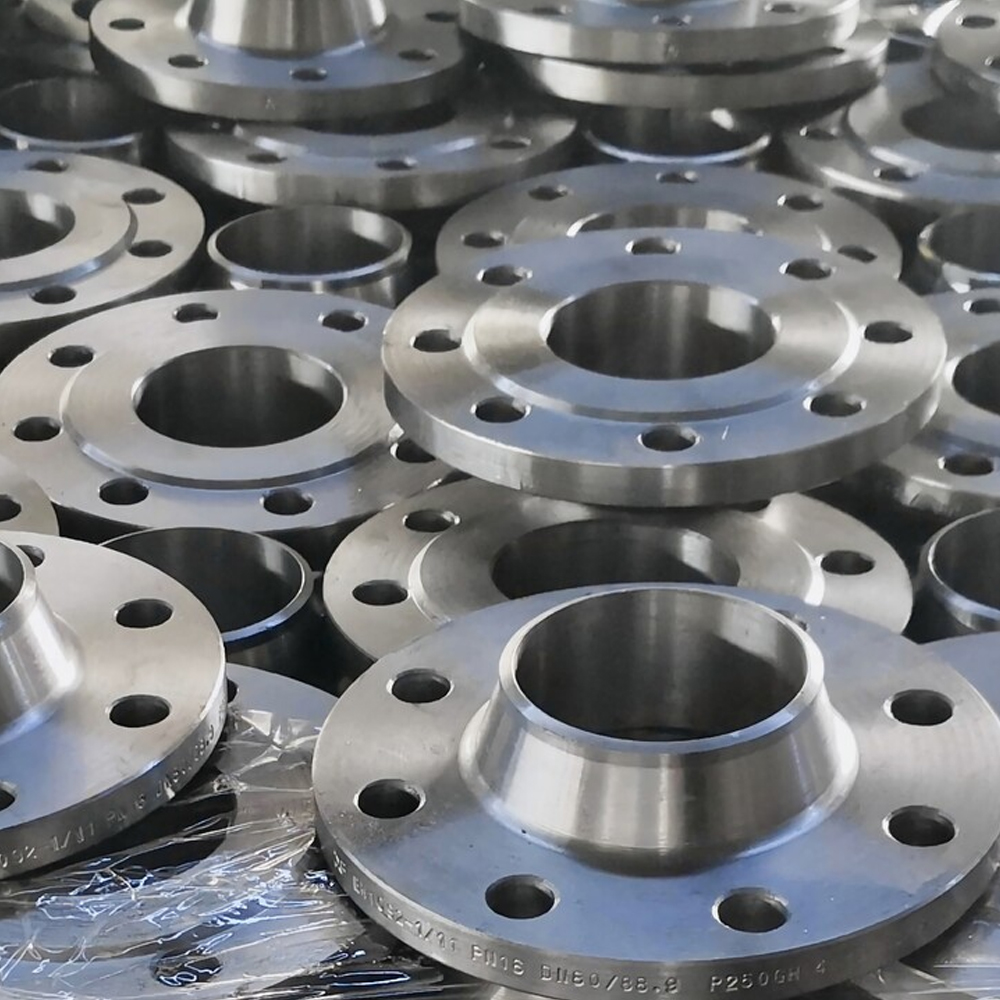 | Stainless Steel Flanges ASTM A182 F304 Blind Flange Dimension and A182 Grade F304 Slip on Flange pressure classs Great Steel & Metals is a supplier of all types of 304... View product → |
 | Stainless Steel Flanges Manufacturer – Chirag Steel Chirag Steel is a trusted and reliable Stainless Steel 316L Flanges Manufacturer, Supplier, and Exporter, offering... View product → |
 | Stainless Steel Flanges PED Steel Flanges / Weld Neck Flanges / ASTM A 182 Stainless Steel WNRF Flanges,Din Standard Flanges; DIN... View product → |
 | Stainless Steel Flanges Manufacturer – Chirag Steel Chirag Steel is a leading Stainless Steel 904L Flanges Manufacturer, Supplier, and Exporter, offering premium-quality... View product → |