
Choosing a flange by the word “stainless” or by nominal pipe size alone can produce a poor material match, a non-interchangeable drilling pattern or a sealing failure. You will be able to compare grades, connection types, alternatives, ratings and supplier documents before approving an industrial flange order.
Key takeaways
- Match 304, 316 or L-grade stainless steel to service conditions and welding exposure.
- Choose weld-neck, slip-on, threaded or lap-joint flanges around the installation constraint.
- Check flange dimensions, facing, pressure class, gasket and bolt compatibility before assembly.
- Require heat numbers, test certificates and written approval for grade substitutions.
Match the stainless grade to the service, not the catalogue label
Choose the flange grade from the fluid, temperature and welding exposure—not from a catalogue label. In an ASTM A182 stainless steel flange comparison, F304 and F316 permit maximum carbon of 0.080%, while F304L and F316L limit carbon to 0.030%. The L grades reduce sensitization after welding; they are not automatically more resistant to chloride attack.
| Grade or option | Defining feature | Service decision |
|---|---|---|
| 304 or stainless steel 304L flanges | General corrosion resistance; 304L limits carbon | Atmospheric service and food-processing washdown; use 304L when welding exposure matters |
| 316 or stainless steel 316 flanges | 2.00–3.00% molybdenum | Better localized-corrosion resistance than 304 in chloride-bearing washdown |
| 316L | Low carbon plus molybdenum | Welded assemblies where chlorides remain moderate |
| 904L | Higher alloying for severe corrosion resistance | Review for sulfuric acid and aggressive chemical service |
| Duplex 2205, ASTM A182 F51/F60 | Higher strength and chloride resistance | Review for seawater and stressed chloride service after checking solution annealing, phase balance and welding |
| Carbon steel | Low cost, corrosion allowance required | Dry or controlled service; poor choice for seawater, washdown or crevice-prone duty |
| Nickel alloys or titanium | Broader resistance in aggressive media | Review for severe chlorides, high temperatures, acids or oxidizing service |
316 and 316L are not chloride-proof: concentration, temperature, oxygenation and gasket crevices can still cause pitting. Nickel alloys suit difficult acid or high-temperature duty; titanium deserves review for seawater. Confirm allowable stress, bolts, gasket and welding procedure before substituting either.
Choose the connection that solves the installation problem
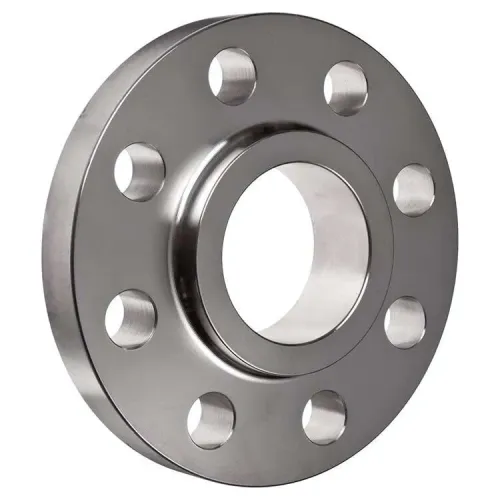
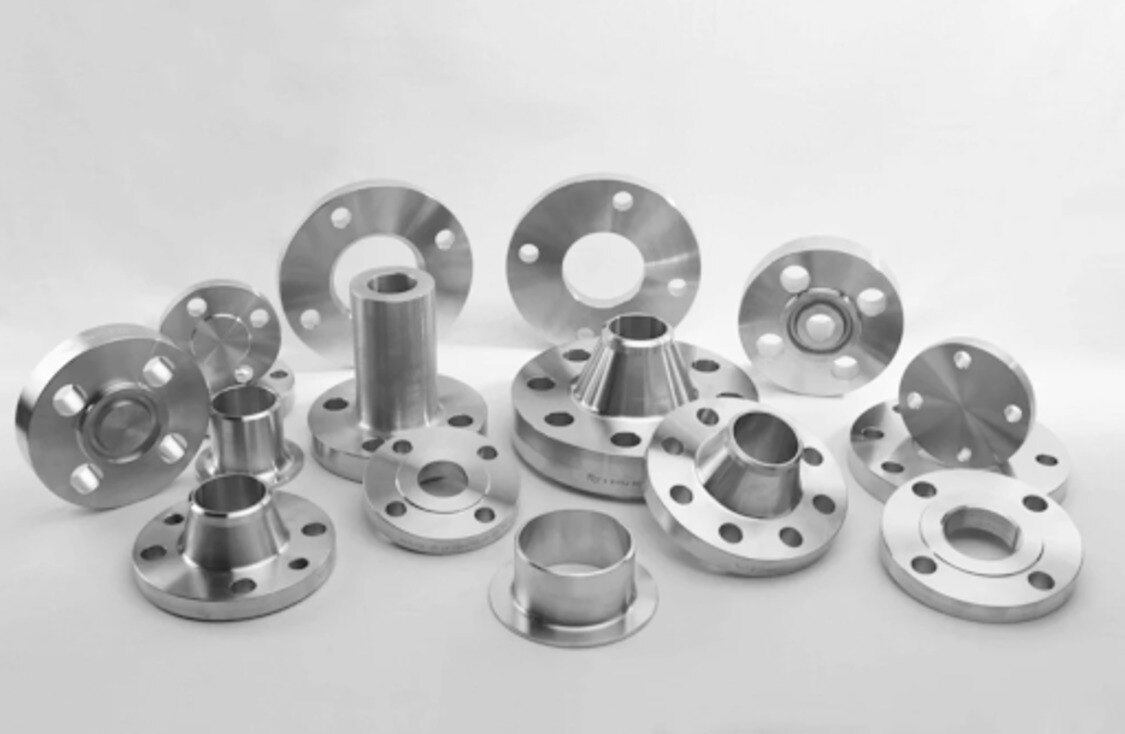
Do not add a flange if a welded pipe joint can permanently solve the connection: it removes bolt and gasket leak paths. Choose among stainless steel flanges or other options for industrial stockists by weighing fabrication effort, cyclic stress and dismantling needs.
| Option | Installation effect | Best fit and limitation |
|---|---|---|
| Weld-neck | Tapered hub gives smooth load transfer | High-pressure, high-temperature or cyclic service; more welding |
| Slip-on | Simple fit-up and lower fabrication effort | Routine service; fillet welds and pipe projection increase leak risk |
| Socket-weld | Small-bore fit-up without external pipe welding | Small sizes; inspect the socket weld carefully |
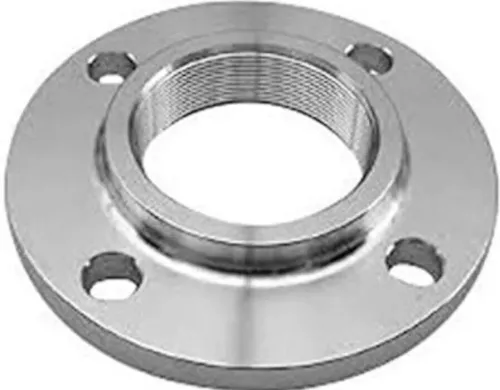
| Threaded | No welding | Welding-unsuitable service; threads limit pressure, temperature and fatigue use |
| Blind | Terminates a line or closes a test boundary | Pressure testing and isolation; never treat it as a flow connection |
| Lap-joint plus stub end | Rotatable backing flange eases bolt alignment | Expensive wetted alloy; adds a stub weld and inspection point |
Clamps and unions speed hygienic or frequently dismantled service, while forged fittings make assemblies more compact. Carbon-steel flanges with corrosion allowance, lined flanges and non-metallic components reduce material cost but trade it against lining damage, maintenance and temperature limits. Stainless steel flange alternatives include nickel alloys, titanium, zirconium and lined steel; verify their rating separately.
Specify forged ASTM A182 F316L when cyclic integrity matters. Plate-cut ASTM A240 fabrications require fabrication review, while cast ASTM A351 CF8M is not interchangeable with forged F316L merely because both are called “316.”
Prove that the flange fits, seals and carries its rating
Do not compare a stainless steel flange comparison by price until the mating parts prove compatible. Use the same dimensional system and check NPS, outside diameter, bore, thickness, bolt-circle diameter, hole count, hole diameter, facing, pressure class and pipe schedule against the pipe, valve or fitting.
- Use ASME B16.5 for NPS 1/2–24 and ASME B16.47 for NPS 26–60. For B16.47, specify Series A or Series B; “B16.47” alone is incomplete. An EN 1092-1 PN flange or named DIN flange is not automatically interchangeable with ASME drilling or dimensions.
- Identify ASME Class 150, 300, 400, 600, 900, 1500 or 2500, then check the pressure-temperature table, material group, pipe wall, gasket, bolts and valve rating. Temperature derating or a weaker component can set the usable limit below the flange class.
Facing determines the seal:
| Facing | Matching seal | Main caution |
|---|---|---|
| RF | Raised-face gasket | Do not mate with FF |
| FF | Full-face gasket | Protects cast iron or non-metallic flanges from raised-face bending load |
| RTJ | Specified metal ring | Groove and ring must match |
| Tongue-and-groove or male-and-female | Matching confined gasket | Pair the exact profiles |
Specify the gasket, RTJ metal ring and bolt set together. Add an insulation kit for galvanic isolation where dissimilar metals meet, align the bore and faces without forced bolts, and tighten in a controlled cross-pattern sequence. Stainless steel 316 flanges do not gain a rating merely from the grade name; verify the complete assembly.
Audit the order and the documents before accepting a substitute
A substitute becomes acceptable only when its identity, dimensions and test evidence agree. Ask for this checklist before release:
- ASTM A182 designation, exact grade and flange pressure class
- Dimensional standard, nominal size, pressure class and facing
- Heat number, permanent marking and dimensional inspection report
- EN 10204 3.1 material certificate
- Pressure-test record where the purchase specification requires one
- PMI results where alloy verification is required
| Certificate or part evidence | What to verify | Reject when |
|---|---|---|
| Flange marking | Heat number matches the 3.1 certificate | The number is missing or differs |
| Chemistry | Carbon, chromium, nickel and molybdenum meet the stated grade | It says only “stainless steel” |
| Mechanical results | Tensile strength, yield strength and elongation meet ASTM A182 | Values or grade are absent |
| Dimensions | Drilling, bore, thickness and facing match the mating flange | DIN drilling is offered for an ASME system |
Do not confuse 316 with 316L, or accept cast ASTM A351 CF8M as forged F316L. Check temperature derating, and review bolt material for galvanic corrosion. A 304L flange certificate cannot prove 316L performance.
For stainless steel flanges or other options for industrial stockists, Chirag Steel can help reconcile small quantities, hard-to-find sizes, custom drilling, replacement matching and mixed-standard orders through document and dimensional review. That review also prevents a quotation for stainless steel 304L flanges from silently becoming the wrong grade, facing or drilling.
Related products
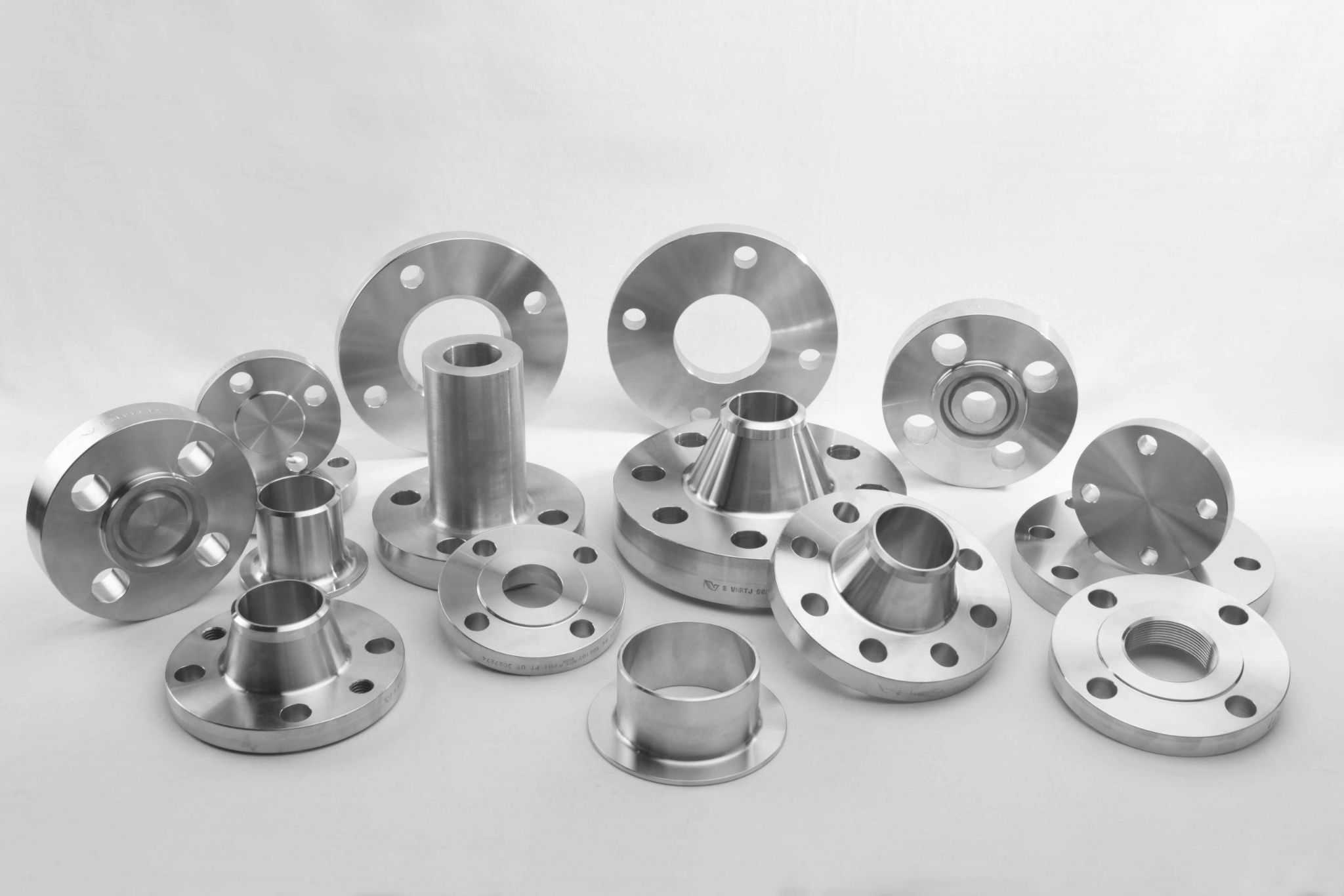 | Stainless Steel Flanges PED Steel Flanges / Weld Neck Flanges / ASTM A 182 Stainless Steel WNRF Flanges,Din Standard Flanges; DIN... View product → |
 | Stainless Steel Flanges Manufacturer – Chirag Steel Chirag Steel is a trusted and reliable Stainless Steel 316L Flanges Manufacturer, Supplier, and Exporter, offering... View product → |
Use a controlled substitution method when the specified grade is unavailable
Start with fit, not grade: retain the specified dimensional standard and pressure class, then compare the service before considering stainless steel flange alternatives.
- Compare the actual fluid, chloride level, acid or caustic concentration, temperature, oxygenation, crevice exposure and weld exposure.
- Confirm corrosion performance, allowable stress at design temperature, gasket, bolts, welding procedure, heat treatment and galvanic compatibility.
- Record the result in a stainless steel flange comparison, not a name-only substitution.
| Option | Advantage | Required check |
|---|---|---|
| Duplex 2205 | Higher strength and chloride resistance than 316L | ASTM A182 F51/F60, solution annealing, phase balance and welding controls |
| Nickel alloy, titanium or zirconium | Suitable for aggressive chloride, acid or high-temperature service | Allowable stress, gasket, bolts, galvanic compatibility and welding procedure |
| Lined steel | Separates process fluid from structural steel | Lining damage, temperature limit, inspection and flange sealing |
| Carbon steel | Cost-effective with corrosion allowance in dry, controlled service | Reject it for washdown, seawater or crevice-prone duty |
Treat stainless steel 316 flanges as chloride-resistant, not chloride-proof; concentrated chlorides in a gasket gap can still cause pitting. A higher-sounding grade does not replace the checks.
Your approval record must contain the original and proposed grades, reason, design-temperature pressure table, corrosion basis, dimensional drawing, certificates, inspection hold points and responsible engineer sign-off.
Frequently asked questions
How do you choose between stainless steel 304 and 316 flanges?
Match the grade to the fluid, temperature, chloride exposure and welding conditions. 316 offers better resistance to many chloride environments, while 304 suits less aggressive service.
Are 304L and 316L flanges more corrosion-resistant than 304 and 316?
The L grades limit carbon to 0.030% under ASTM A182, reducing sensitization after welding. They are not automatically more resistant to chloride attack.
What should you check before accepting a stainless steel flange substitute?
Verify the material grade, dimensions, facing, pressure-temperature rating, gasket and bolt compatibility, heat number and inspection documents.
Which flange connection should you choose for an installation?
Choose weld-neck flanges for demanding cyclic or welded service, slip-on flanges for simpler fabrication, threaded flanges where welding is unsuitable, and lap-joint flanges where frequent alignment or dismantling matters.
Related products
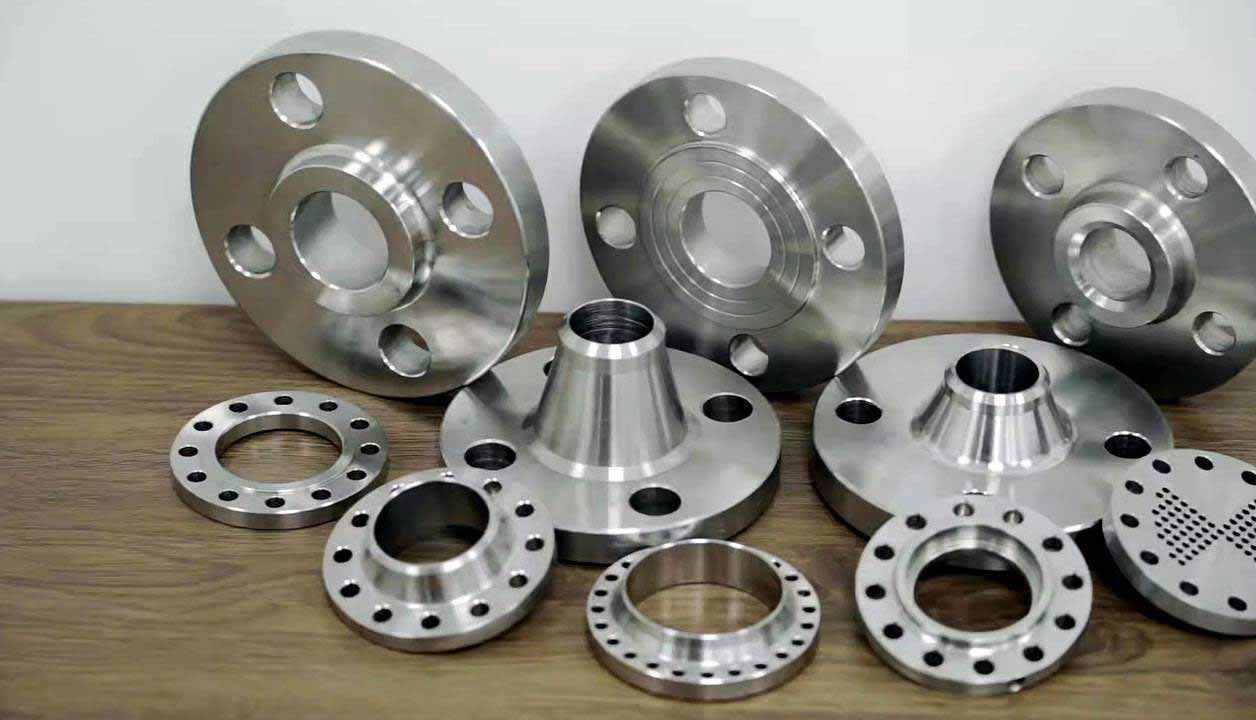 | Stainless Steel Flanges Manufacturer of ASTM A182 F304L Slip on and WNRF Flanges in India Stainless Steel 304L Flanges 304L Stainless Steel Flanges are made up of 304L... View product → |
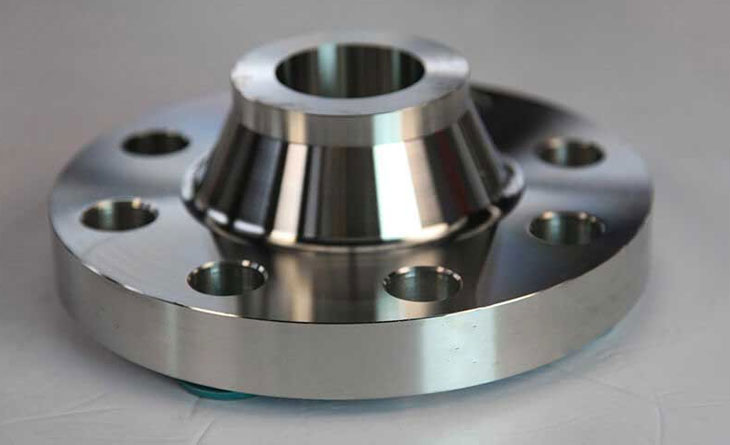 | Stainless Steel Flanges ASTM A182 F316 Blind flange and Weld Neck Flanges Manufacturer in India Stainless Steel 316 Flanges 316 Stainless Steel Flange Dimensions differ from... View product → |
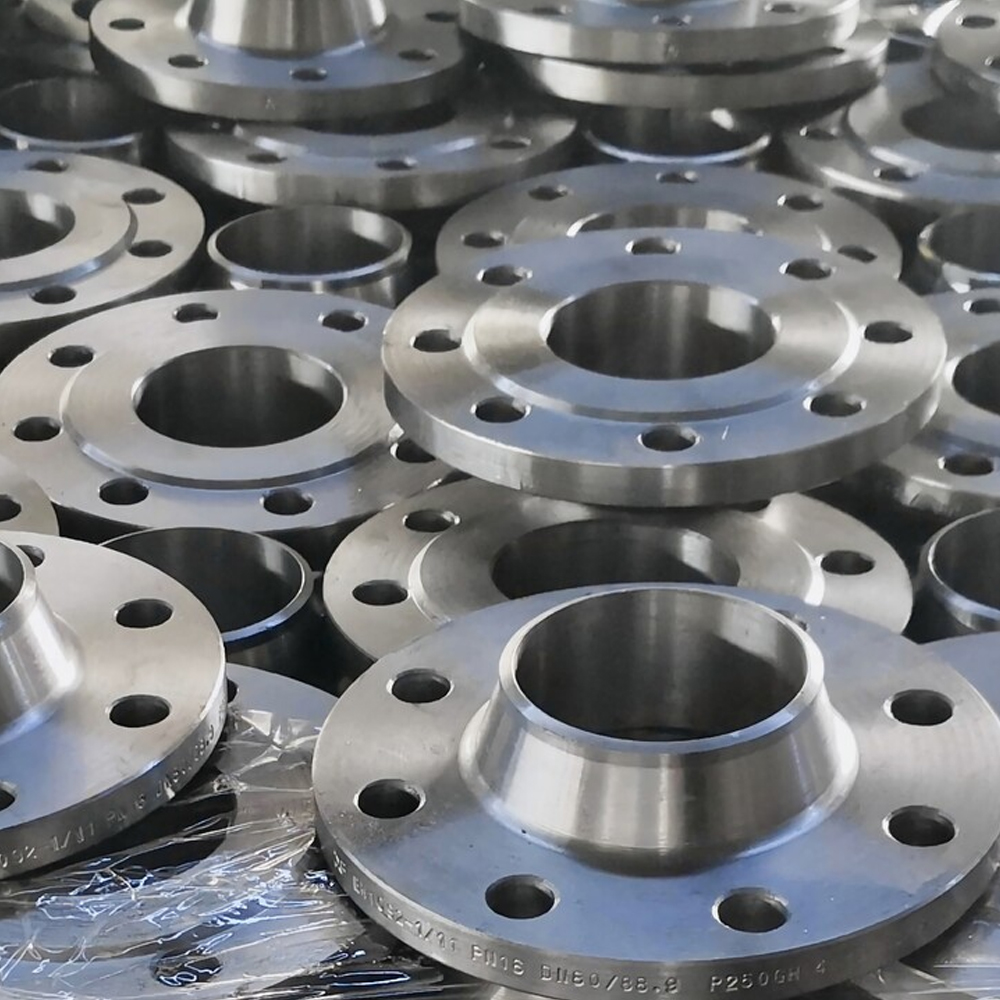 | Stainless Steel Flanges ASTM A182 F304 Blind Flange Dimension and A182 Grade F304 Slip on Flange pressure classs Great Steel & Metals is a supplier of all types of 304... View product → |
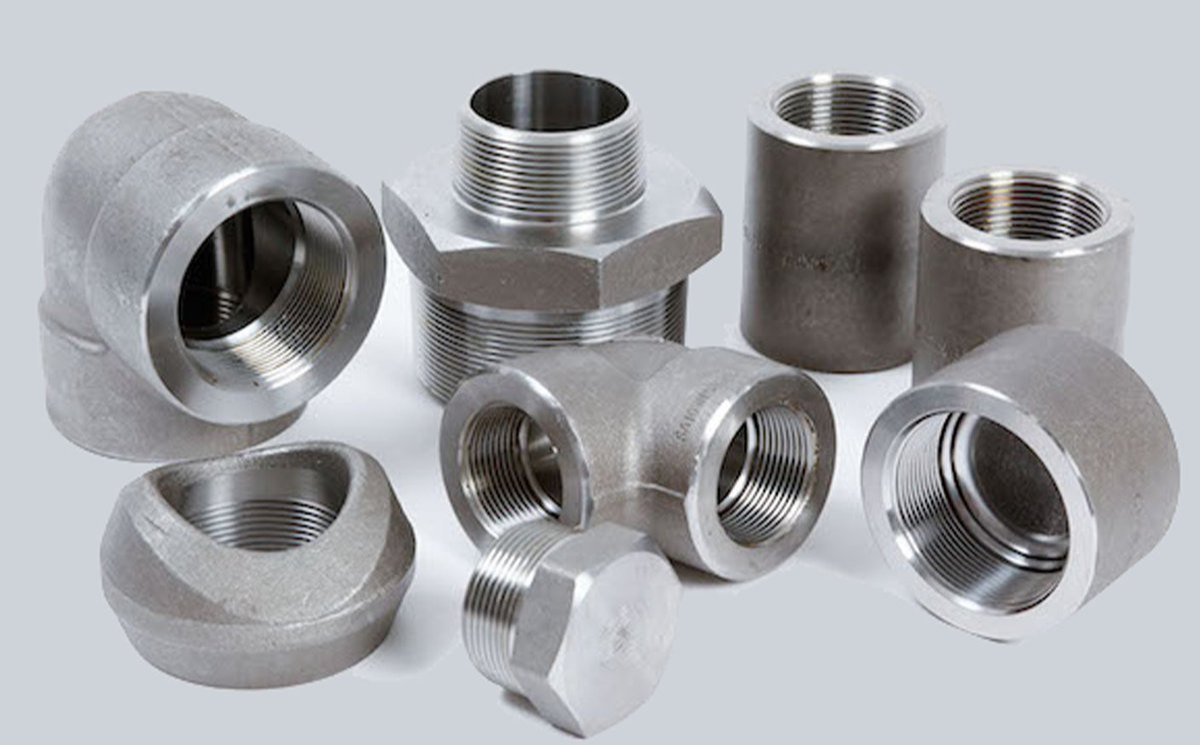 | Stainless Steel Pipe Fittings Stainless Steel Forged Fittings Here is professional content for your business: Stainless Steel Forged Fittings – Chirag Steel Chirag Steel is a trusted supplier and exporter of... View product → |