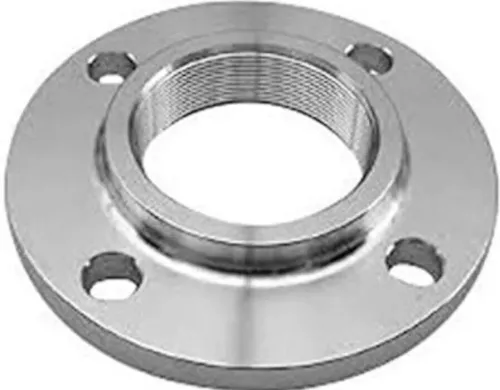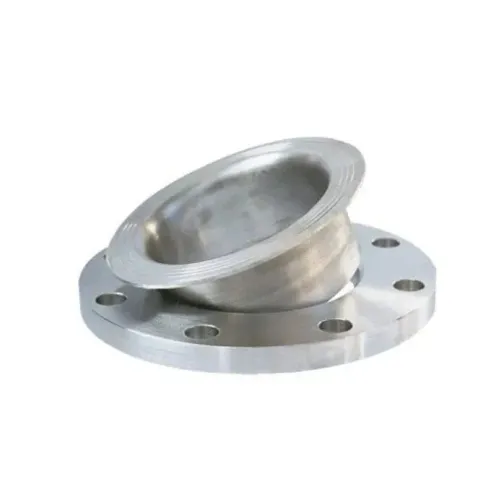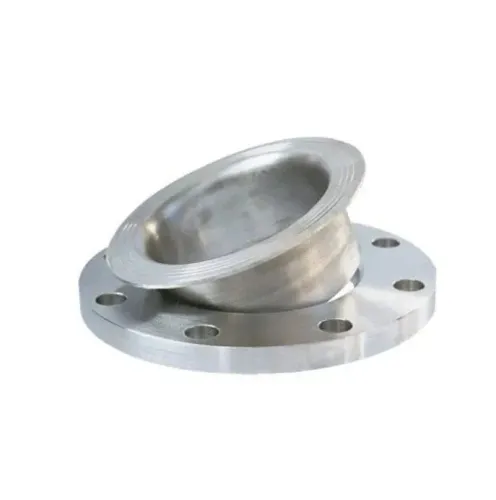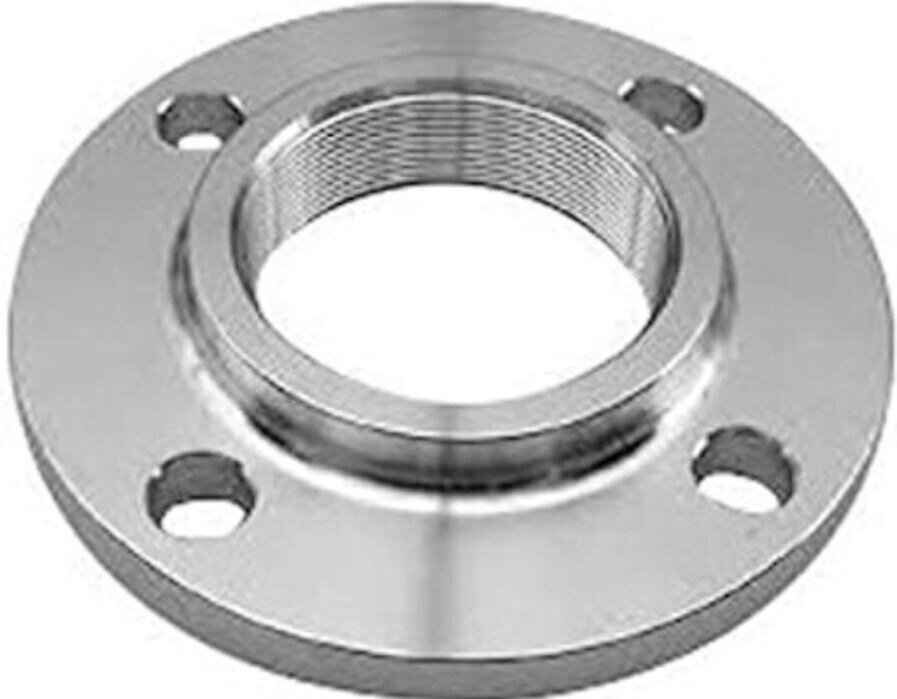
A threaded flange removes the need for a field weld, but its pipe threads create a narrow crevice where chlorides, condensate and process residue can attack stainless steel and eventually cause leakage. By comparing the joint geometry, service conditions, material grades and inspection points, you can select a flange connection that matches the actual corrosion and failure risks in your piping system.
Key takeaways
- A threaded connection removes weld defects, not crevices, thread leakage or galvanic corrosion.
- Choose welded flanges for severe pressure, temperature cycling or pipe movement.
- Match 304L, 316L or 904L to chlorides, acids and process temperature.
- Inspect threads, flange faces, gaskets and the complete joint before installation.
How the connection geometry changes corrosion and leakage risk
No. Avoiding a circumferential weld removes weld-related defects, but it does not remove the main causes of leakage or corrosion at a threaded joint.
| Option | Connection geometry | Main corrosion and leakage exposure |
|---|---|---|
| Threaded flange | Tapered or parallel pipe threads carry the load and sealant fills the clearance | The engaged threads form a narrow crevice that traps chloride water, condensate, cleaning residue and deposits; sealant damage, shrinkage or cold flow can open a leak |
| Weld-neck flange | A full-penetration butt weld joins the pipe to the flange | No pipe-thread crevice exists, but heat tint, contamination, weld mismatch, incomplete fusion or a poorly cleaned heat-affected zone can initiate localized attack |
The thread roots, first engaged threads and pipe end inside the flange deserve inspection because they combine restricted cleaning access, crevice conditions and local stress. Thermal cycling can also move the pipe and flange differently, loosening engagement or stressing the sealant.
A threaded flange can therefore reproduce the original failure if the problem lies in geometry, tightening or sealing rather than the flange material.
That makes a stainless steel threaded flange leak alternative suitable only when pressure, temperature, movement and access to welding support it. For severe chemical service, a weld-neck configuration usually gives the stronger corrosion-resistant joint, but it still requires qualified welding and post-weld cleaning.
Even 904L does not eliminate a threaded crevice: grade selection cannot compensate for stagnant chloride solution trapped in the connection.
Choose the flange subtype by pressure, temperature and movement
Pressure, temperature and movement should drive your flange choice for corrosion, not the word “welded” alone. A threaded flange suits low-risk, relatively cool service when welding is prohibited, field adjustment matters, or dismantling is valuable; it is a poor default for hot, vibrating, toxic, stagnant or chloride-contaminated lines.
| Subtype | Specify it when | Main limitation in corrosive service |
|---|---|---|
| Threaded | Low pressure, limited temperature, suitable wall thickness and low movement; welding access is unavailable | Threads form a crevice that retains condensate and chlorides; sealant damage, shrinkage and thermal cycling can cause leaks |
| Weld-neck | High pressure, high temperature, vibration, cyclic loading, large bore or severe chemical service | Requires qualified butt welding and cleaning; heat tint, contamination, defects and a mismatched weld can localise attack |
| Slip-on | Moderate pressure and temperature, low-to-moderate movement, and economical fabrication with accessible welding | Fillet welds and the flange-to-pipe bore transition provide poorer fatigue performance and more crevice exposure than a weld-neck |
| Socket-weld | Small-bore, higher-pressure lines where a compact welded joint is needed and movement is controlled | The socket gap can trap fluid and deposits; poor fit-up or an unverified internal fillet weld intensifies crevice and erosion-corrosion risk |
Choose a weld-neck when pressure cycling, vibration or temperature swings can flex the joint. A slip-on does not provide the same stress transition, while a socket-weld connection needs careful gap control and inspection.
If threads already failed from poor engagement, incompatible sealant or corrosion beneath the sealant, repeating the same geometry only repeats the failure. Verify the piping code, pressure-temperature rating, pipe wall, thread engagement and leak consequence before approving a threaded flange.
Match 304, 304L, 316, 316L and 904L to the fluid
316L is the usual starting point for chloride-bearing water, but chloride concentration, temperature, oxygen and stagnation decide whether it remains adequate. 304 and 304L suit cleaner water and general wet industrial exposure; 304L is preferable where welding could sensitise the metal. The “L” grades reduce weld-zone sensitisation risk, not pitting resistance.
| Grade | Appropriate service | Critical limitation |
|---|---|---|
| 304 | Dry-to-wet industrial areas, clean water, mild chemical service | Chlorides, deposits and acidic condensate can cause pitting and crevice attack |
| 304L | Welded flanges in similar service where low carbon matters | It does not withstand aggressive chloride water better than 304 |
| 316 | Chloride water and general chemical service with controlled temperature | Hot, stagnant or concentrated chlorides can still attack it |
| 316L | Chloride-bearing wet service and welded chemical lines | Confirm chloride level, pH and oxidising contaminants before approval |
| 904L (UNS N08904) | Selected sulfuric-acid service and aggressive reducing chemical fluids | Concentration, temperature and crevices can still produce rapid attack |
Sulfuric acid is not a simple “choose 904L” decision: its concentration and temperature can move the safe grade sharply. 904L has more nickel, molybdenum and copper than 316L, but a 904L threaded flange in Ankleshwar still traps condensate and cleaning residue in its long thread crevice.
Treat flange choice for corrosion as a service review, not a location label. Record chloride concentration, pH, temperature, oxidising or reducing conditions, H2S, cleaning chemicals, flow stagnation, wet/dry cycling and atmospheric exposure.
For threaded joints, also approve a sealant with documented compatibility; chlorides, sulfur compounds and metallic fillers can create the failure the grade was meant to prevent.
Why a 904L threaded flange is not automatically safe in Ankleshwar
A 904L threaded flange in Ankleshwar still contains a narrow, chloride-trapping crevice where the pipe threads engage. UNS N08904 offers more nickel, molybdenum and copper than 316L, but grade strength does not remove risks from stagnant condensate, acidic deposits, thermal cycling or a sealant that attacks stainless steel.
Confirm these service details before approving the connection:
1. Record the fluid’s chloride concentration, pH, operating and upset temperatures, pressure, velocity and flow direction. Include maximum concentration during evaporation or shutdown, not only the normal bulk-fluid value.
2. Identify oxidizing or reducing conditions, dissolved oxygen, H2S, sulfur compounds and contaminants from upstream equipment. Confirm whether the line sits wet, dry, or alternates between both states.
3. Mark dead legs, low points, intermittent flow and deposits. Stagnation turns the engaged threads into a crevice where localized corrosion can start despite acceptable bulk-fluid chemistry.
4. List every cleaning chemical, passivation chemical and flushing medium. Obtain a written compatibility statement for the thread sealant; “stainless-safe” alone does not exclude chlorides, sulfur compounds, metallic fillers, shrinkage or cold flow.
5. Check vibration, pressure cycling, temperature cycling and access for welding. If leakage previously came from damaged engagement or sealant breakdown, repeating the same geometry is not a corrosion solution; a socket-weld or weld-neck arrangement may address the failure mechanism.
This is the practical test behind stainless steel threaded flanges versus welded flanges corrosion in Ankleshwar. Chirag Steel can help you compare the specified flange material and form against this service data, rather than treating 904L as automatic approval.
Related products
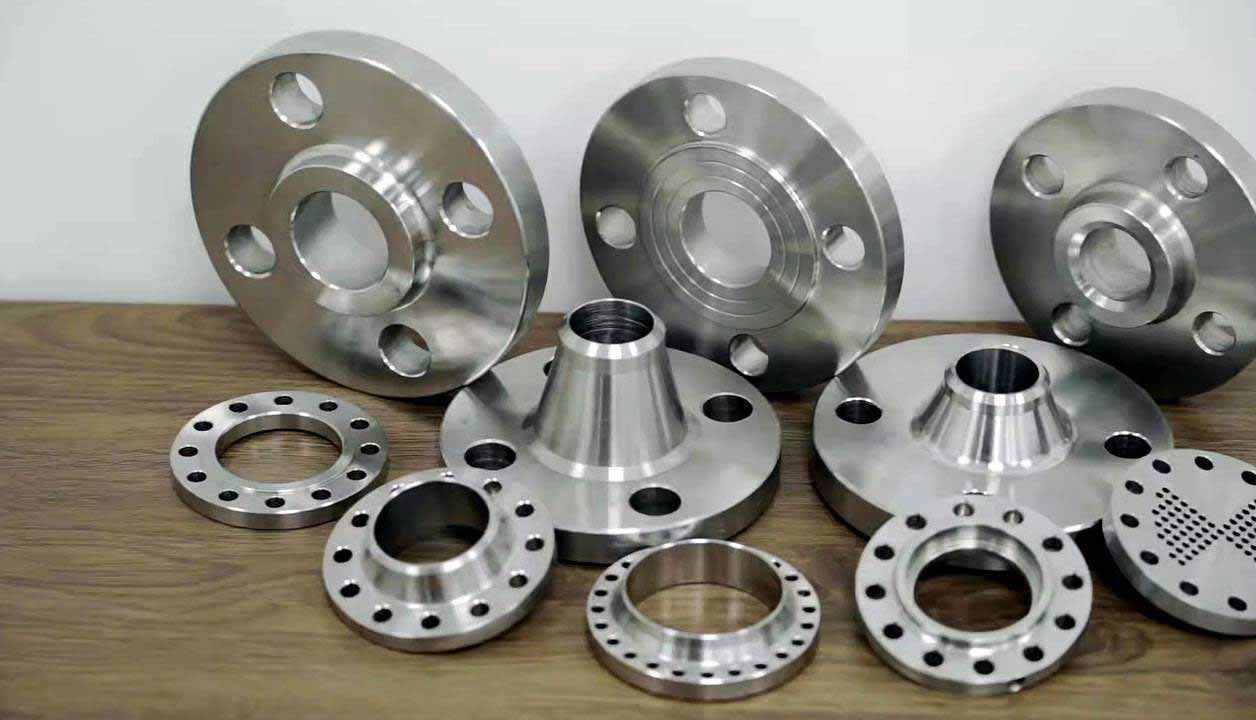 | Stainless Steel Flanges Manufacturer of ASTM A182 F304L Slip on and WNRF Flanges in India Stainless Steel 304L Flanges 304L Stainless Steel Flanges are made up of 304L... View product → |
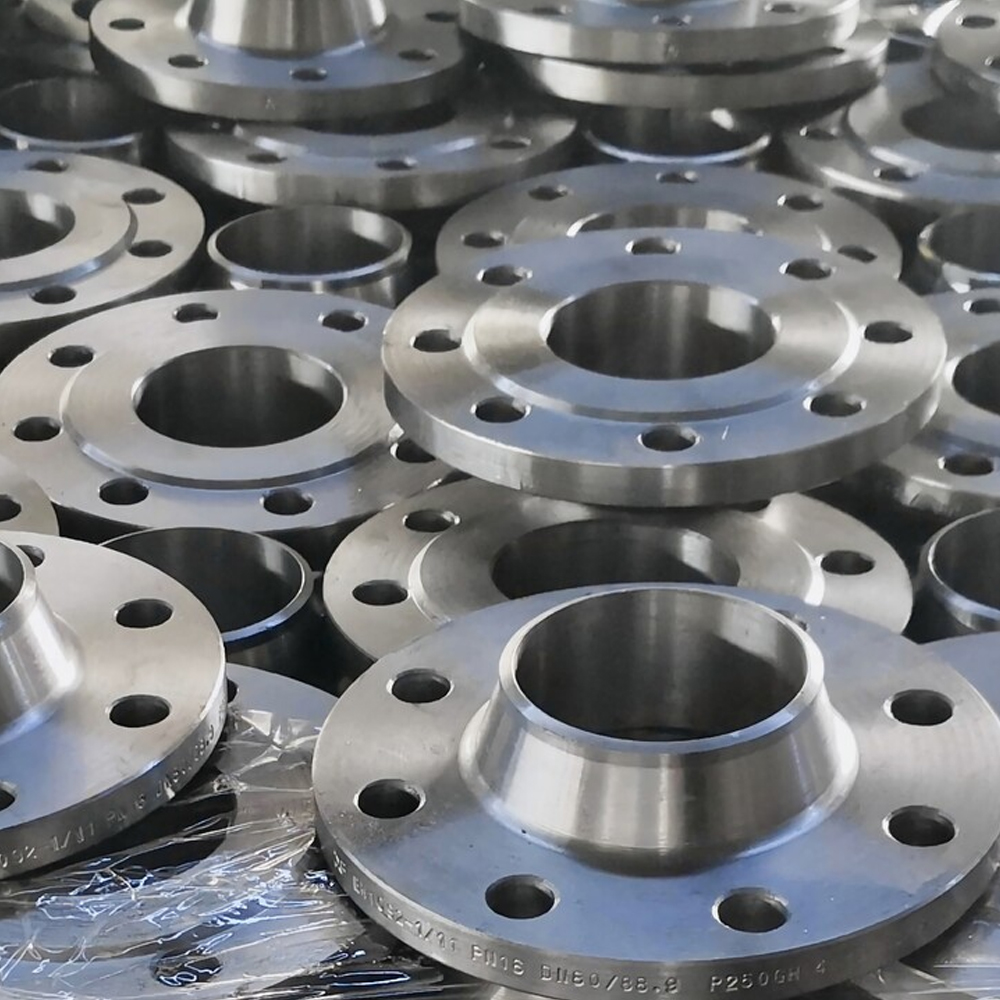 | Stainless Steel Flanges ASTM A182 F304 Blind Flange Dimension and A182 Grade F304 Slip on Flange pressure classs Great Steel & Metals is a supplier of all types of 304... View product → |
Inspect the threads, faces and complete joint before installation
Do not install a flange until you have recorded its condition, traceability and intended joint materials. A stainless steel threaded flange leak alternative is not proven by appearance alone: inspect the thread roots, first engaged threads and pipe end for galling, torn metal, corrosion, trapped debris and incomplete engagement.
For a welded flange, inspect the bore, weld profile and heat-affected zone for cracks, undercut, porosity, arc strikes, excessive heat tint and incomplete cleaning.
- Record the flange size, pressure class, material grade, heat or batch number, supplier certificate and positive material identification result.
- Photograph both flange faces and measure flatness, face damage, raised-face height, bore alignment and sealing-surface scratches. Reject dents, radial scratches or corrosion pits that cross the gasket seating area.
- Verify the pipe outside diameter, wall thickness, thread form, thread engagement and flange orientation. Document sealant name, batch number and its written compatibility with the process, stainless steel, temperature and pressure; “stainless-safe” alone is not evidence.
- For welded joints, record weld procedure, filler metal, welder identification, visual inspection and required non-destructive examination. Document pickling, passivation or other specified cleaning.
- Check gasket type, bolt grade, washer condition, alignment, bolt lubrication and tightening record. Note any dissimilar-metal contact, stagnant pocket or crevice.
Your threaded flange corrosion comparison is incomplete without these records: sealant shrinkage, thermal cycling or corrosion beneath a seal can reproduce the original leak.
Frequently asked questions
Are threaded flanges safer than welded flanges against corrosion?
No. Threaded flanges avoid circumferential weld defects but create thread crevices and leakage paths. Compare the fluid, pressure, temperature and movement before choosing.
When should you choose a welded flange instead of a threaded flange?
Choose a welded flange for higher pressure, temperature cycling, vibration, pipe movement or services where threaded crevices could retain corrosive fluid.
Which stainless steel grade suits corrosive flange service?
Use 304 or 304L for less aggressive service, 316 or 316L for greater chloride resistance, and 904L for selected severe acidic services after checking the exact fluid and temperature.
Why is a 904L threaded flange not automatically safe in Ankleshwar?
904L resists several aggressive environments, but thread crevices, contamination, unsuitable gaskets, process chemistry and local conditions can still cause corrosion or leakage.
What should you inspect before installing a stainless steel flange joint?
Check thread form and damage, flange-face condition, gasket compatibility, material certificates, cleanliness, alignment, fasteners and the assembled joint for leakage paths.
Related products
 | Stainless Steel Flanges Manufacturer – Chirag Steel Chirag Steel is a trusted and reliable Stainless Steel 316L Flanges Manufacturer, Supplier, and Exporter, offering... View product → |
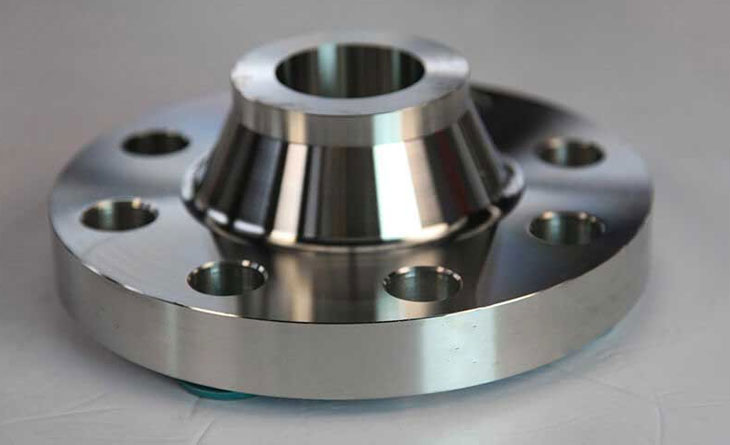 | Stainless Steel Flanges ASTM A182 F316 Blind flange and Weld Neck Flanges Manufacturer in India Stainless Steel 316 Flanges 316 Stainless Steel Flange Dimensions differ from... View product → |
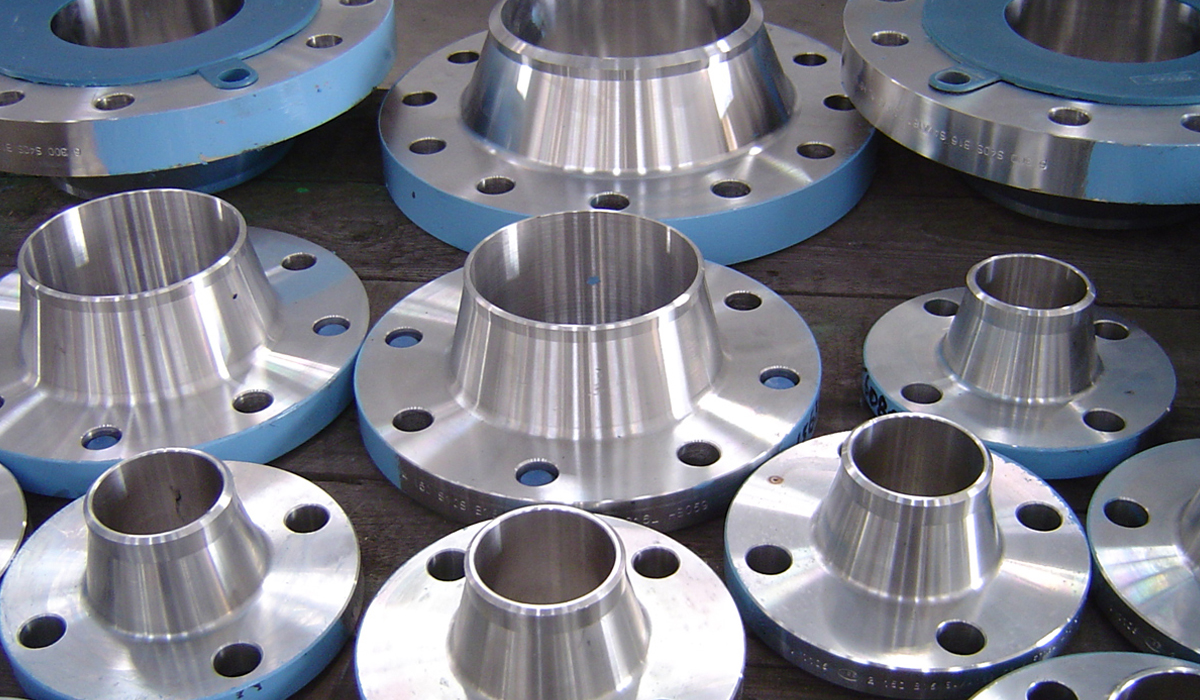 | Stainless Steel Flanges Manufacturer – Chirag Steel Chirag Steel is a leading Stainless Steel 904L Flanges Manufacturer, Supplier, and Exporter, offering premium-quality... View product → |
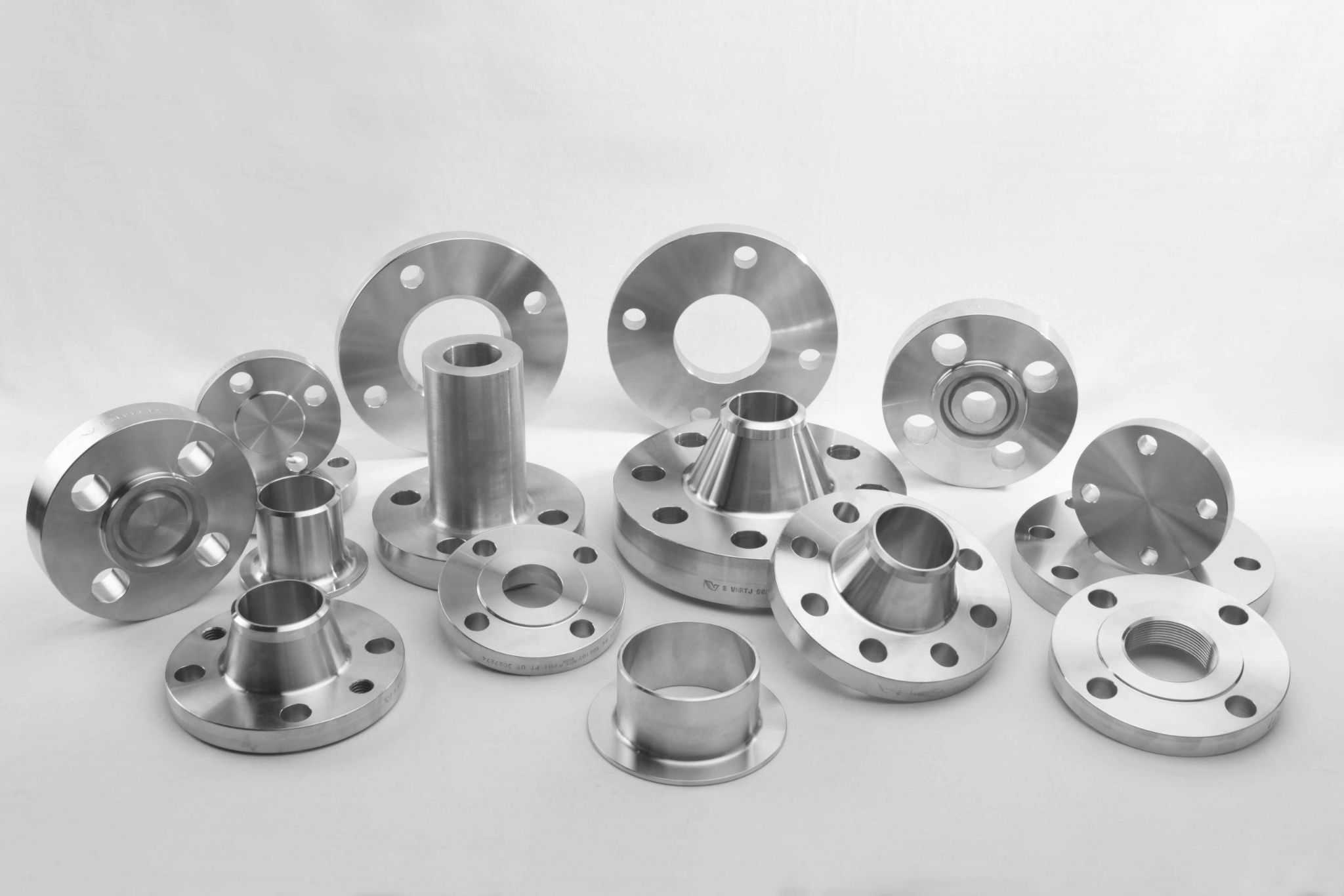 | Stainless Steel Flanges PED Steel Flanges / Weld Neck Flanges / ASTM A 182 Stainless Steel WNRF Flanges,Din Standard Flanges; DIN... View product → |