
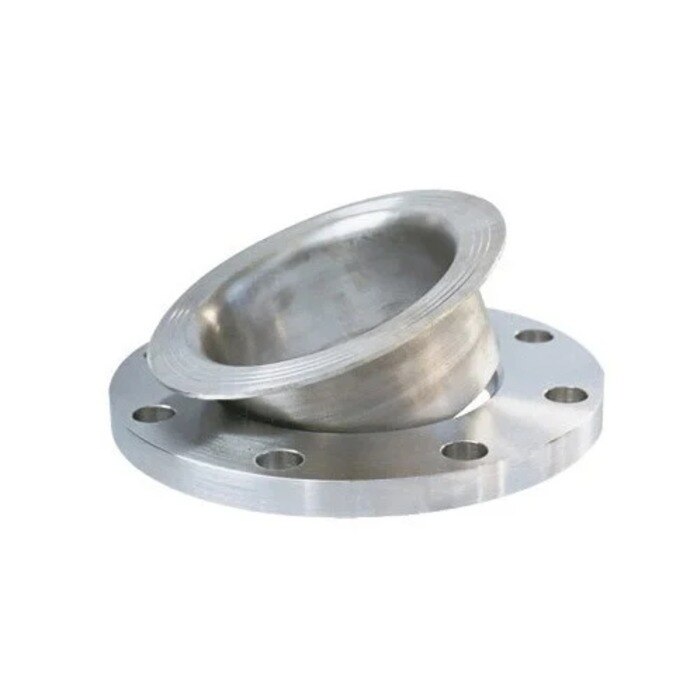
A lap joint assembly is not specified by writing “stainless steel, Class 150”: the loose ring, stub end, weld, facing, temperature and pressure standard all affect the result. By the end, you will be able to compare 304, 316 and 904L options, interpret ASME pressure classes, and prepare a purchase specification that prevents an incomplete or mismatched connection.
Key takeaways
- Specify the stub end, backing ring, gasket and bolts as one complete assembly.
- Choose 304L or 316L when welded construction makes corrosion resistance critical.
- Check pressure class against temperature, nominal size and the weakest assembly component.
- Request dimensional drawings, material certificates and pressure-rating tables before ordering.
Identify the Complete Lap Joint Assembly Before Comparing Grades
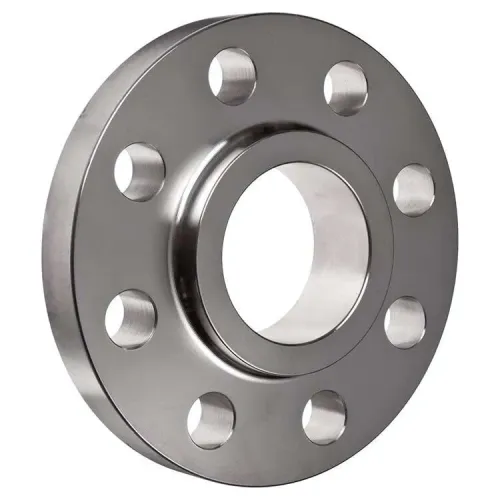
The assembly is not a single stainless component. It consists of a loose backing ring, a stub end welded to the pipe, the stub end’s sealing face, and bolts and a gasket connecting that face to the mating flange. The process fluid normally contacts the stub end, not the backing ring.
Identify the deliverable in this order:
- Name the stub-end material and specification, such as 316L, and state the pipe schedule or wall thickness.
- Name the backing-ring material separately; carbon steel can be acceptable behind a stainless stub end when the ring stays outside the wetted boundary.
- Confirm the circumferential pipe-to-stub weld, including the weld procedure, filler metal and inspection requirements.
- Specify the facing, gasket, bolting, NPS or DN, pressure class and design temperature.
A description such as “316 lap joint flange, Class 150” does not establish a complete assembly. A 316L stub end with a 304 ring has a different corrosion specification from an all-316L assembly, and the ring marking cannot raise the allowable pressure of a weaker stub end, weld, pipe wall, gasket or bolt set.
Check the limiting component against ASME B16.5 and the piping code.
Choose this connection when you need to remove piping frequently, rotate bolt holes for alignment, or use an economical backing ring while keeping stainless steel at the wetted boundary. A weld-neck flange is the better choice for high cyclic loads, severe service or direct hub reinforcement.
This lap joint flange material comparison starts with the complete assembly, not the ring alone.
Compare 304, 304L, 316, 316L and 904L by Chemistry and Service
Chromium sustains stainless steel’s passive film; nickel supports ductility and resistance to reducing acids, while molybdenum improves resistance to chloride pitting and crevice attack. Carbon is the welding divider: excess carbon can form chromium carbides at grain boundaries and trigger intergranular corrosion.
| Grade | Chromium, nickel, molybdenum and carbon | Service and welding |
|---|---|---|
| 304 | Cr 18–20%, Ni 8–10.5%, Mo none, C 0.08% maximum | General process service; welds need control against sensitization |
| 304L | Cr 18–20%, Ni 8–12%, Mo none, C 0.03% maximum | Better post-weld intergranular-corrosion resistance than 304, not a higher pressure class |
| 316 | Cr 16–18%, Ni 10–14%, Mo 2–3%, C 0.08% maximum | Better chloride-pitting resistance than 304, but not immune to concentrated or hot chlorides |
| 316L | Cr 16–18%, Ni 10–14%, Mo 2–3%, C 0.03% maximum | Preferred for welded chloride service; use a compatible low-carbon procedure and filler |
| 904L | Cr 19–23%, Ni 23–28%, Mo 4–5%, C 0.035% maximum | Stronger resistance to sulfuric acid and severe chloride conditions; welding needs qualified procedures and matching high-alloy consumables |
For a 304 lap joint flange in Ankleshwar, specify the ring and stub end separately. The process-wetted stub end controls fluid compatibility; a carbon-steel backing ring does not convert the assembly into stainless steel.
Ask a 316 lap joint supplier whether every component is 316L, because a 316L stub end with a 304 ring is not an all-316L specification. “SS 304” or “316, Class 150” still leaves product form, standard, temperature, schedule and inspection undefined.
Read Lap Joint Pressure Ratings by Class, Temperature and Size
A Class 150 marking is not a 150 bar limit. The lap joint flange pressure rating is a pressure-temperature value tied to the flange material group, design temperature and governing standard.
Under ASME B16.5, a common austenitic stainless Class 150 flange is rated about 19.6 bar at 38 °C, but its allowable pressure falls as temperature rises.
Class 150 through Class 2500 are ASME pressure classes, not universal pressures. Compare them against the complete assembly, including the ring, stub end, pipe wall, gasket, bolts and weld. The weakest component controls; a Class 600 ring cannot upgrade a thin stub end or corroded pipe.
| System | What the designation means | What to verify |
|---|---|---|
| ASME B16.5 Class 150–2500 | Pressure class for NPS ½–24 flange dimensions and material groups | Class, NPS, facing, material group, temperature and edition |
| DIN EN 1092-1 PN 6–PN 40 and higher | Nominal PN designation, not a direct ASME class conversion | DN, flange type, material, temperature derating and bolt pattern |
| ASME B16.47 large diameter | Series A or Series B dimensions for NPS 26–60 | Series, NPS, class, drilling, facing and mating standard |
Do not convert PN 16 directly to Class 150 without checking dimensions and temperature tables. For large diameters, a nominally matching class can still have different outside diameter, bolt circle, bore or drilling. State the design pressure, design temperature, fluid, corrosion allowance and piping code on the quotation.
Verify Dimensions, Documents and Installation Details Before Ordering
Nominal size and pressure class are not enough: match the ring, stub end and mating flange by every sealing and drilling dimension before releasing the purchase order. A correct assembly needs the same NPS or DN, outside diameter, bore, flange thickness, bolt-circle diameter, hole count, hole diameter and face arrangement.
Confirm the stub-end projection, lap diameter, wall thickness and weld-end outside diameter against ASME B16.9, MSS SP-43 or the specified project standard.
| Component | Dimensions to confirm | Records to request |
|---|---|---|
| Loose ring | Outside diameter, thickness, bolt circle, holes, bore clearance and flat-face profile | Dimensional inspection report, material test report to EN 10204 3.1 |
| Stub end | Pipe bore, wall thickness, weld-end OD, projection, lap diameter and fillet radius | Material test report, heat number, dimensional report and weld procedure |
| Mating flange | Standard, facing, drilling, gasket contact width and pressure class | Certified drawing or datasheet, gasket specification and bolt schedule |
State each material separately. The ring, stub end and weld consumable might be 316L, 316, 304L or carbon steel; “316 lap joint flange” does not prove an all-316L assembly. Verify chromium-nickel grade, carbon limit and PMI results when the service is corrosive.
During installation, keep the stub end square to the pipe, centre the gasket on the actual sealing face, align bolt holes only by rotating the loose ring, and tighten bolts in a cross pattern to the specified torque.
Check weld acceptance, bolt material, gasket compatibility and the allowable pressure of the weakest component at operating temperature.
Choose the Assembly for the Actual Load, Fluid and Supply Risk
Choose a lap joint assembly when frequent alignment, inspection or gasket replacement matters more than compactness, and the stub end suits the fluid. It is a poor choice for severe cyclic loading or high bending moments, where a weld-neck gives better continuity.
For stainless steel lap joint flanges for material pressure rating in Ankleshwar, specify the ring, stub end, weld, gasket and bolts separately; “316 Class 150” is not a complete purchase description.
| Option | Choose it when | Principal risk |
|---|---|---|
| Lap joint | You need rotation for bolt-hole alignment or repeated dismantling | The stub-end weld and loose ring control performance |
| Weld-neck | Pressure, temperature, fatigue or pipe loads are severe | Higher fabrication cost and fixed orientation |
| Slip-on | Loads are modest and installation cost matters | Lower fatigue strength and two fillet welds |
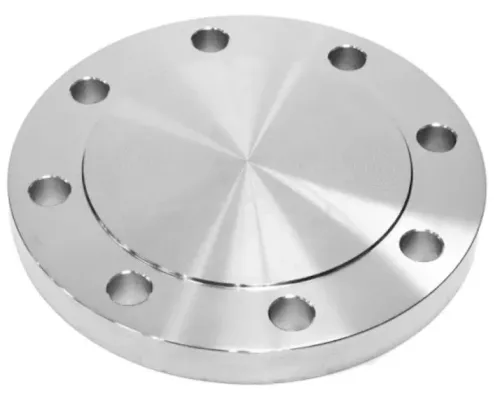
| Blind | You need to isolate or terminate a line | Bolt load, gasket selection and trapped pressure become critical |
- Set the allowable pressure from the weakest component: pipe wall, stub end, weld, bolts, gasket, temperature or corrosion allowance can reduce the nominal ASME class.
- Keep the wetted stub end compatible with the fluid. A 316L stub end with a carbon-steel ring is not an all-stainless assembly; conductive moisture around the lap and bolt holes can drive galvanic or crevice corrosion.
- Ask Chirag Steel to quote ASTM A182 F304/F304L or F316/F316L ring material, the stub-end specification, NPS/DN, schedule, facing, temperature, medium and inspection records; this prevents substitution and reduces Ankleshwar sourcing risk.
Related products
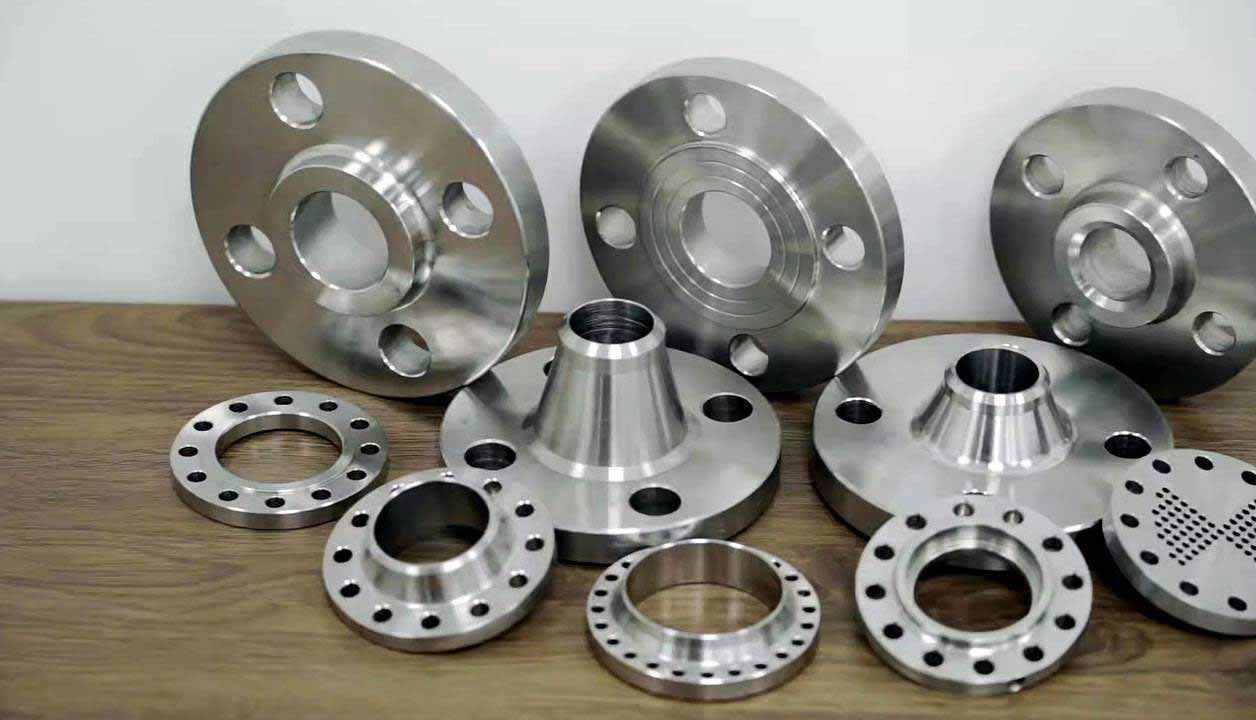 | Stainless Steel Flanges Manufacturer of ASTM A182 F304L Slip on and WNRF Flanges in India Stainless Steel 304L Flanges 304L Stainless Steel Flanges are made up of 304L... View product → |
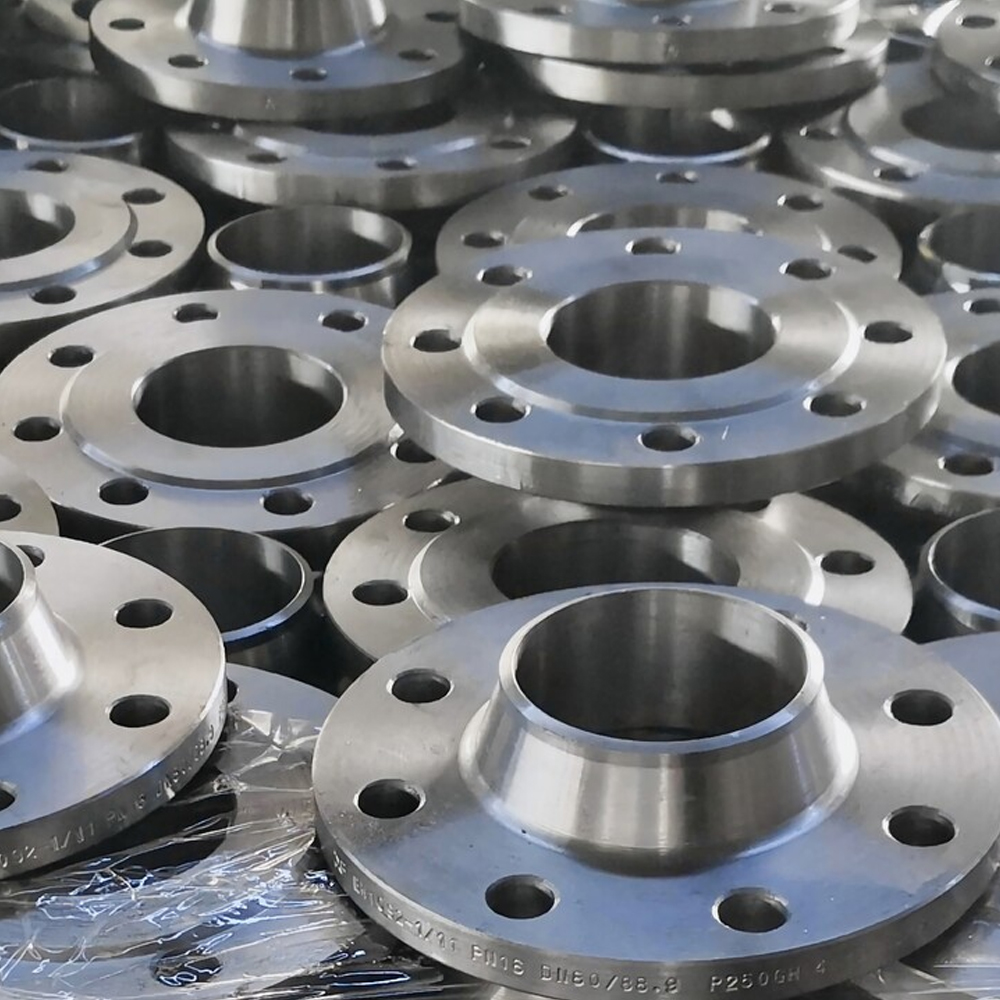 | Stainless Steel Flanges ASTM A182 F304 Blind Flange Dimension and A182 Grade F304 Slip on Flange pressure classs Great Steel & Metals is a supplier of all types of 304... View product → |
Frequently asked questions
What components make up a stainless steel lap joint flange assembly?
The assembly includes a loose backing ring, a welded stub end, the stub end sealing face, bolts and a gasket. The process fluid normally contacts the stub end rather than the backing ring.
How do 304, 304L, 316, 316L and 904L compare?
304 suits many general process services, while 304L limits carbon-related weld sensitisation. 316 provides better resistance to chlorides than 304, and 316L is the lower-carbon welded version. 904L is selected for highly corrosive services where its higher alloy content justifies the added cost and sourcing effort.
How do you determine a lap joint flange pressure rating?
Read the rating by pressure class, design temperature and nominal size together. Confirm the applicable dimensional and rating standard, then check the stub end, backing ring, gasket and bolts because the assembly is limited by its weakest component.
What should you verify before ordering lap joint flanges?
Confirm nominal size, flange class, facing, bore, drilling dimensions, stub-end length and material grade. Request drawings, material test certificates, heat or batch numbers and pressure-rating tables, then check installation clearances and gasket and bolt compatibility.
Related products
 | Stainless Steel Flanges Manufacturer – Chirag Steel Chirag Steel is a trusted and reliable Stainless Steel 316L Flanges Manufacturer, Supplier, and Exporter, offering... View product → |
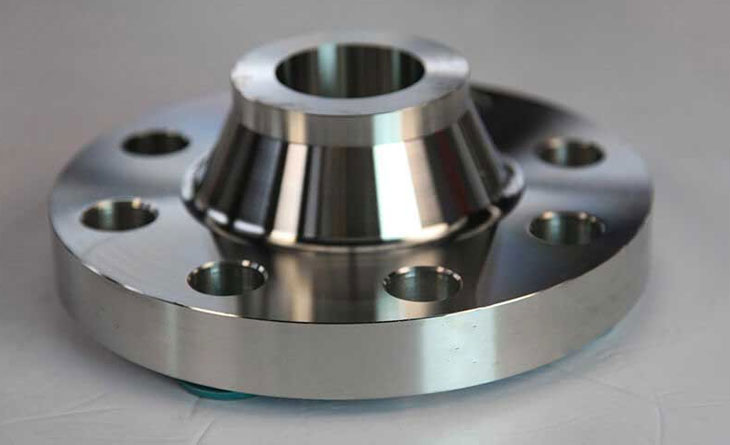 | Stainless Steel Flanges ASTM A182 F316 Blind flange and Weld Neck Flanges Manufacturer in India Stainless Steel 316 Flanges 316 Stainless Steel Flange Dimensions differ from... View product → |
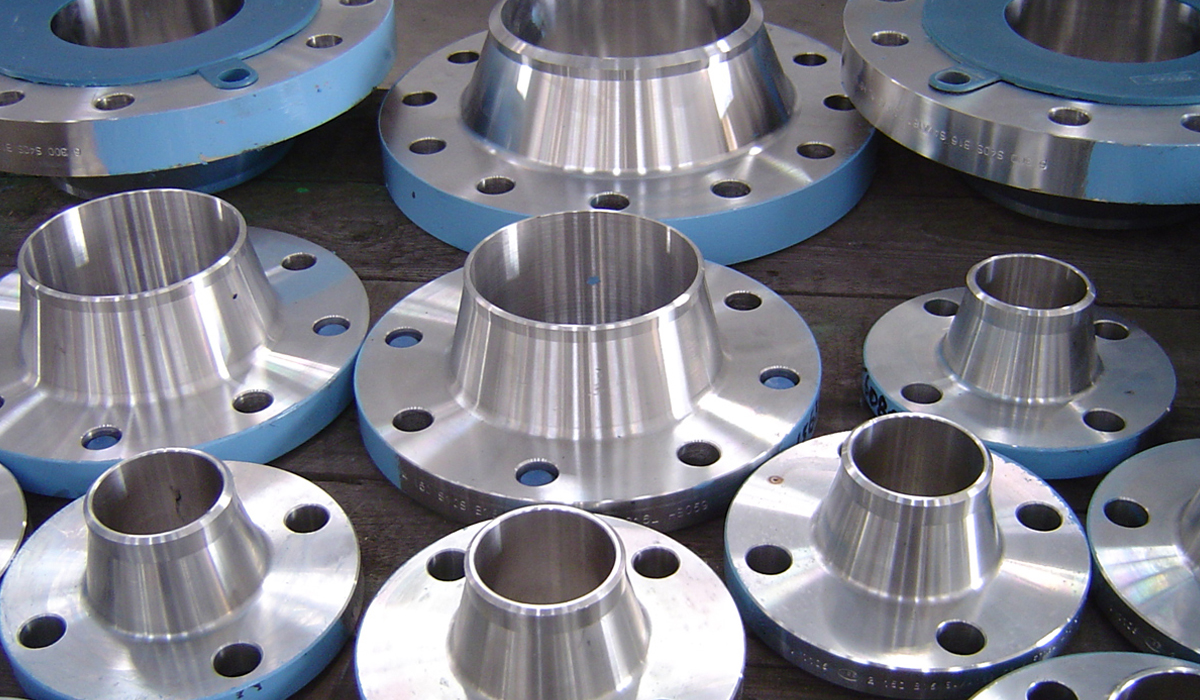 | Stainless Steel Flanges Manufacturer – Chirag Steel Chirag Steel is a leading Stainless Steel 904L Flanges Manufacturer, Supplier, and Exporter, offering premium-quality... View product → |
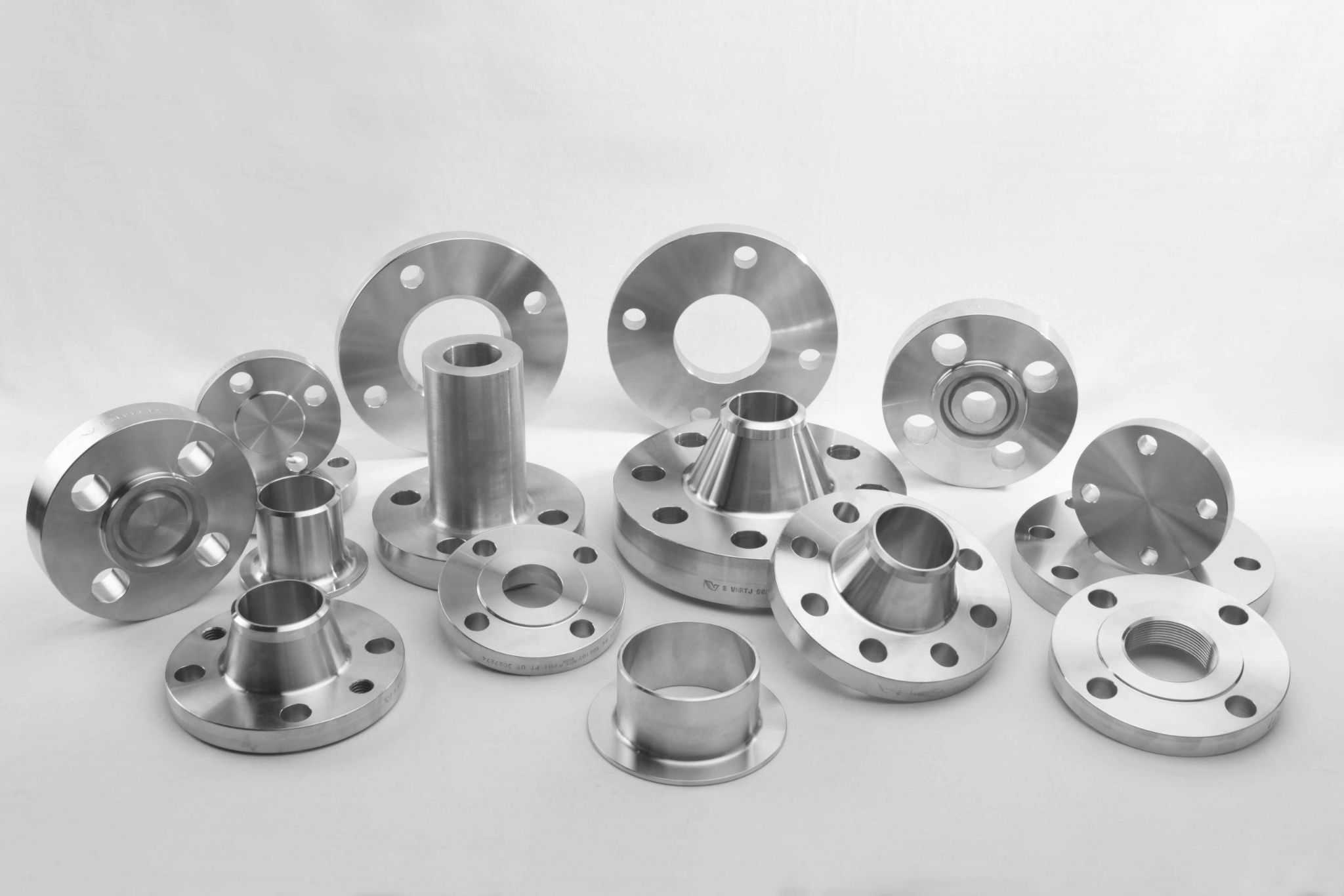 | Stainless Steel Flanges PED Steel Flanges / Weld Neck Flanges / ASTM A 182 Stainless Steel WNRF Flanges,Din Standard Flanges; DIN... View product → |