
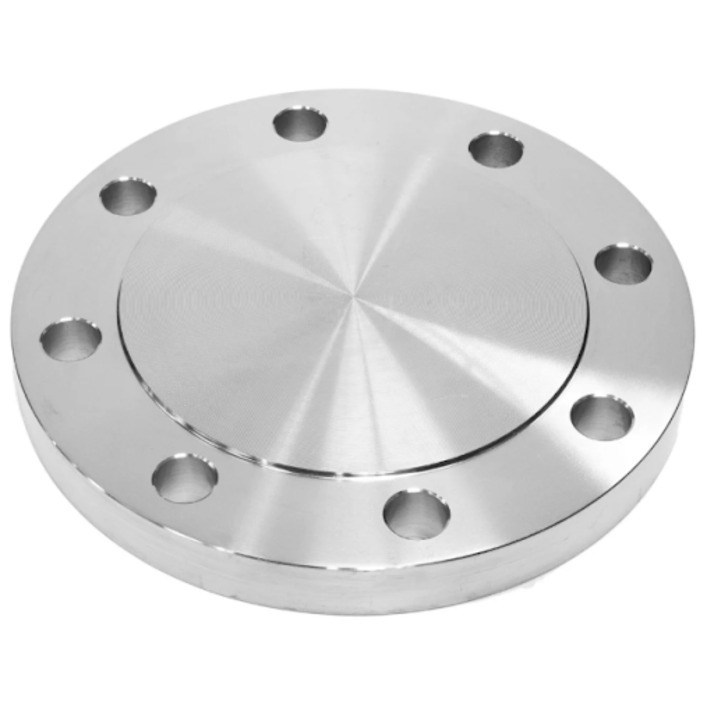
Stainless steel BLRF flanges provide a practical solution when an industrial piping system requires a secure closure point. BLRF refers to Blind Raised Face. Unlike flanges containing a central bore, a blind flange is solid and is typically bolted to a mating flange to close a pipe end, vessel nozzle, valve connection, or other opening.
Although the design appears simple, the component can perform an important role during normal operations, maintenance, testing, and future system expansion.
Industrial users may consider BLRF flanges for:
- Closing unused pipeline ends
- Isolating sections of piping
- Closing vessel or equipment nozzles
- Creating future expansion points
- Supporting pressure-testing arrangements
- Providing removable closure points
Because a blind flange is directly exposed to internal pressure without a central bore, specification deserves careful attention. Pressure class, diameter, stainless steel grade, temperature, gasket selection, facing, and applicable piping standards should all be considered.
For Bengaluru manufacturing and process facilities, a removable closure can also provide a practical maintenance advantage. Instead of permanently sealing a connection that might be required later, a correctly selected blind flange allows the connection to be reopened when inspection, expansion, or equipment changes are necessary.
Stainless steel may be considered where corrosion resistance and compatibility with the connected piping system matter. However, the material grade should still be selected according to the operating environment and process medium.
Chirag Steel serves industrial buyers looking for stainless steel products for piping and fabrication requirements. Providing complete technical information during an enquiry helps establish the required flange configuration without unnecessary assumptions.
A useful BLRF enquiry should mention size, grade, class, facing, standard, quantity, and intended application.
For stainless steel BLRF flange requirements in Bengaluru, connect with the team to discuss specifications for pipeline closure, isolation, maintenance, or planned future connections.