
An EPC flange description that says only “stainless steel SWRF” leaves too many decisions unresolved: flange type, NPS, pressure class, material grade, bore, gasket and inspection documents. By the end, you will be able to define the connection correctly, compare alternatives, check dimensions and build a purchase order that supports traceability from the isometric to site receipt.
Key takeaways
- Write slip-on or socket-weld raised-face in full on every requisition.
- Match flange dimensions, pressure class, face, material and standard before ordering.
- Put heat numbers, certificates, inspection tests and marking requirements in the purchase order.
- Use aligned pipes, clean faces, new gaskets and a controlled bolt-tightening sequence.
What does SWRF mean on an EPC piping package?
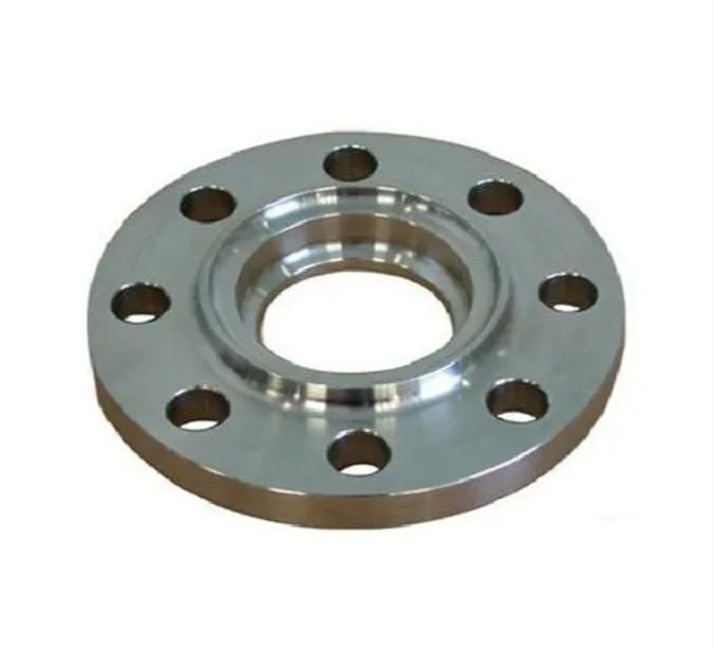
SWRF is not a safe abbreviation to leave unexplained. Some catalogues use it for slip-on raised-face, while an EPC requisition may intend socket-weld raised-face. Write the construction in full before requesting stainless steel SWRF flanges for EPC piping packages.
1. For socket-weld raised-face, state “socket-weld, raised-face flange.” The pipe enters a machined socket and receives a fillet weld. Do not bottom the pipe hard against the socket shoulder; leave the small root gap specified by the project welding procedure, commonly about 1/16 inch (1.5 mm), to accommodate shrinkage and reduce cracking or distortion.
2. For slip-on raised-face, state “slip-on, raised-face flange.” The flange passes over the pipe and receives fillet welds around the hub and bore. Its socket, bore and pipe schedule still require checking; “NPS 2, Class 300” alone does not identify a correct connection.
3. Do not substitute WNRF. A weld-neck raised-face flange has a butt-weld bevel and a long tapered hub, so it is not interchangeable with socket-weld or slip-on construction.
4. Confirm the intended connection against the approved line list, piping isometric and piping class before a supplier quotes. These documents settle flange use at equipment nozzles, valve and pump interfaces, dismantling points, maintenance spools and piping-class take-offs.
Reconcile the count with P&IDs, nozzle lists and valve schedules, including blinds, companion flanges, gaskets, studs, nuts and spares.
How do you choose SWRF instead of another flange type?
Choose SWRF for an accessible small-bore interface when compact assembly, straightforward pump or valve maintenance, and modest cyclic loading matter more than maximum fatigue resistance. Confirm whether the requisition means slip-on raised-face or socket-weld raised-face; the choice changes the pipe connection and stress behaviour.
| Option | What it means | When it applies |
|---|---|---|
| SWRF, slip-on raised-face | Pipe passes over the bore and receives fillet welds at the hub and bore | Accessible small-bore lines with easy alignment; the bore creates a flow discontinuity |
| Socket-weld raised-face or socket-weld | Pipe enters a machined socket and receives a fillet weld | Compact small-bore connections where external access is available; the fillet weld concentrates stress |
| WNRF | Butt-weld bevel with a long tapered hub | High temperature, severe vibration, thermal expansion, fatigue, high-consequence service, or a critical line required by the piping class |
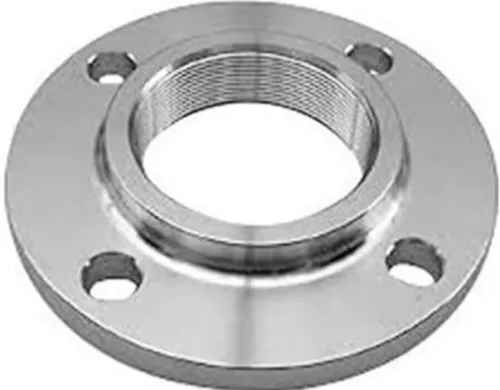
| Threaded | Pipe screws into internal threads without welding | Welding-prohibited areas only, with controlled leakage, vibration, temperature, and corrosion risks |
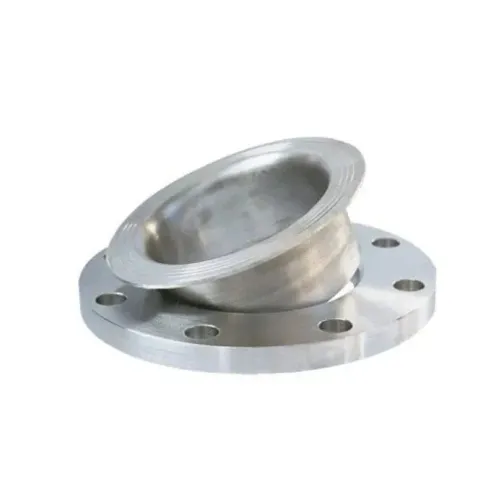
| Lap-joint | Loose flange used with a welded stub end | Frequent dismantling or difficult alignment justifies the extra stub-end and flange components |
Do not choose by nominal size alone. Check pump and valve face alignment, pipe supports, thermal movement, vibration, corrosion allowance, and maintenance frequency; forced alignment can overload a fillet weld or gasket.
For severe cyclic loading or highly critical service, select WNRF when the design code and piping class require it. In swrf flange piping packages, reserve socket or slip-on designs for service where their stress concentration and bore discontinuity remain acceptable.
Which dimensions, materials and standards must match?
Check the connection as a chain, not as a catalogue label. For stainless steel SWRF flanges in EPC piping packages in Bengaluru, confirm NPS against the pipe outside diameter, then verify flange outside diameter, bolt-circle diameter, bolt-hole count, hole diameter and thickness.
- Match the bore or socket dimensions to the pipe schedule and the mating valve, nozzle or flange. Confirm the raised-face diameter and surface finish against the gasket and facing specification. “NPS 2, Class 300” alone does not control these details.
- Specify ASTM A182/A182M and the forged grade separately from the dimensional standard: F304, F304L, F316 or F316L. L grades reduce sensitization risk after welding because they limit carbon, but F316L is not automatically suitable for every chloride service; check chlorides, temperature and the project materials specification.
- Put the governing standard and edition on the order. Use ASME B16.5 for NPS 1/2 through NPS 24, ASME B16.47 for larger flanges and ASME B16.48 for line blanks.
- State raised-face or other facing, corrosion allowance, design temperature, gasket standard and bolting grade.
| Rating system | What it controls | Procurement warning |
|---|---|---|
| ASME Class 150, 300 or 600 | Temperature-dependent pressure rating by material group | Check the B16.5 pressure-temperature table; class is not a fixed bar value |
| EN PN16 and other PN ratings | A separate pressure-rating and dimensional system | Do not substitute for ASME Class 150 without checking dimensions, bolt patterns and ratings |
What belongs on the purchase order and inspection plan?
Put every procurement variable on the purchase order: ASME B16.5 edition, NPS, Class or PN rating, slip-on or socket-weld construction, raised-face diameter and finish, ASTM A182/A182M grade such as F304L or F316L, bore or pipe schedule, design temperature, gasket standard and bolting grade.
Add marking, packing, delivery location in Bengaluru, inspection documents, heat numbers and traceability to each flange or defined heat.
An ESD-style inspection plan for stainless steel SWRF flanges in Bengaluru should require these records:
- Certificate-of-conformance review against the approved material requisition and piping class.
- EN 10204 Type 3.1 material certificates, chemical results and mechanical results. Type 3.1 identifies the document category; it does not prove dimensional accuracy, corrosion compliance or correct facing.
- Positive material identification with stated sampling, alloy acceptance limits and rejection rules.
- Dimensional reports covering outside diameter, bolt circle, holes, thickness, bore or socket, raised face and schedule.
- Visual examination, raised-face surface-finish checks, marking verification and packing inspection.
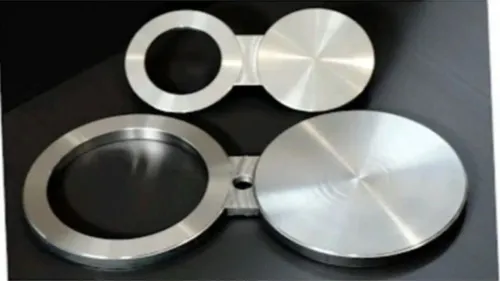
- Quantity reconciliation against P&IDs, isometrics, valve schedules, equipment nozzle lists and the line list, including blinds, spectacle blinds, spacers, companion flanges, gaskets, studs, nuts and spares.
Record failures clearly:
| Record | Check | Reject when |
|---|---|---|
| MTC and traceability | Heat number matches flange marking | Certificate or identity is missing |
| PMI and chemistry | Grade and chemistry match requisition | Alloy or carbon limit fails |
| Dimensions | Drawing, piping class and mating item agree | Bore, holes or face finish conflicts |
For stainless steel SWRF flanges EPC piping packages in Bengaluru, evaluate Chirag Steel on document completeness, identification and package coordination, not catalogue availability alone.
Related products
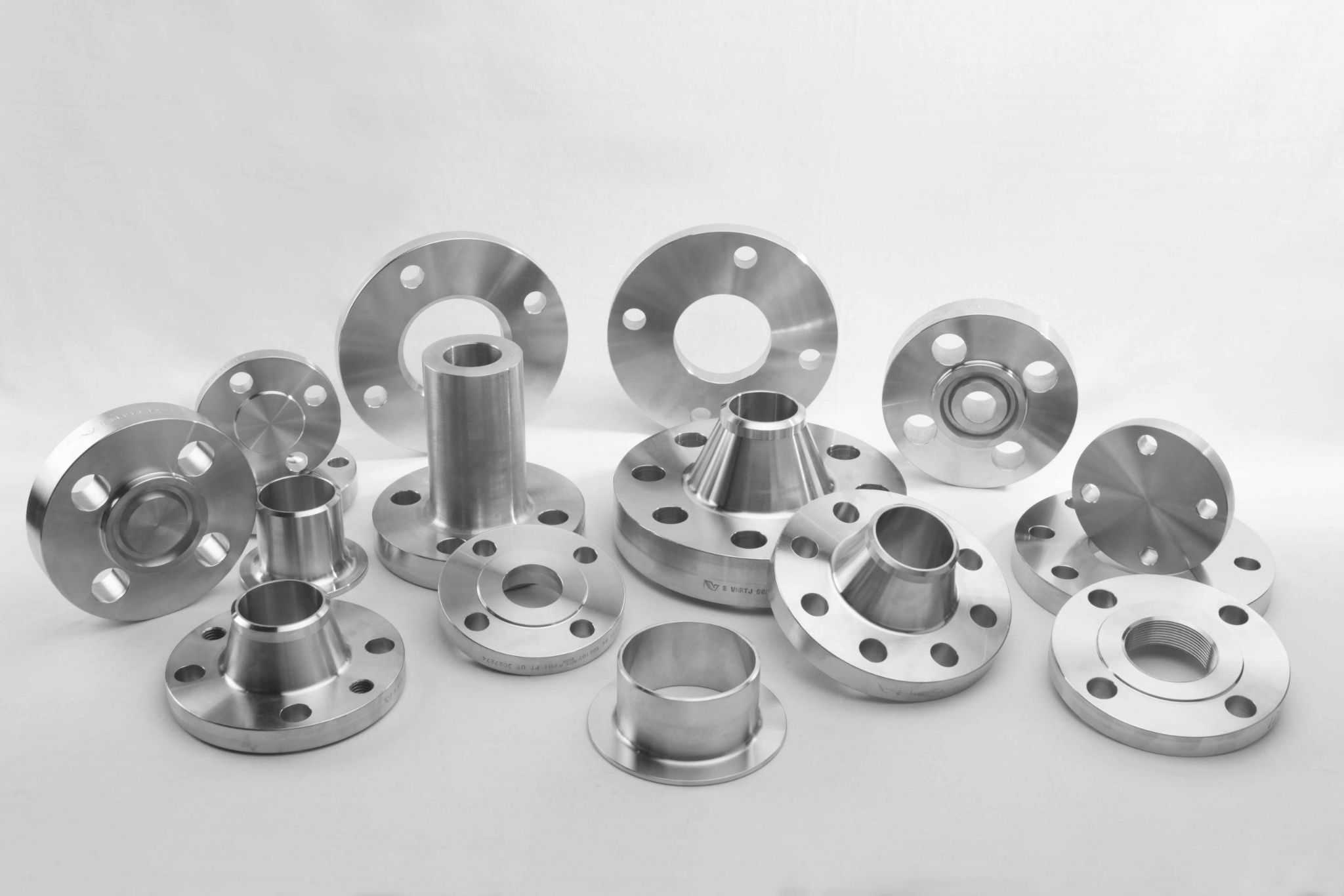 | Stainless Steel Flanges PED Steel Flanges / Weld Neck Flanges / ASTM A 182 Stainless Steel WNRF Flanges,Din Standard Flanges; DIN... View product → |
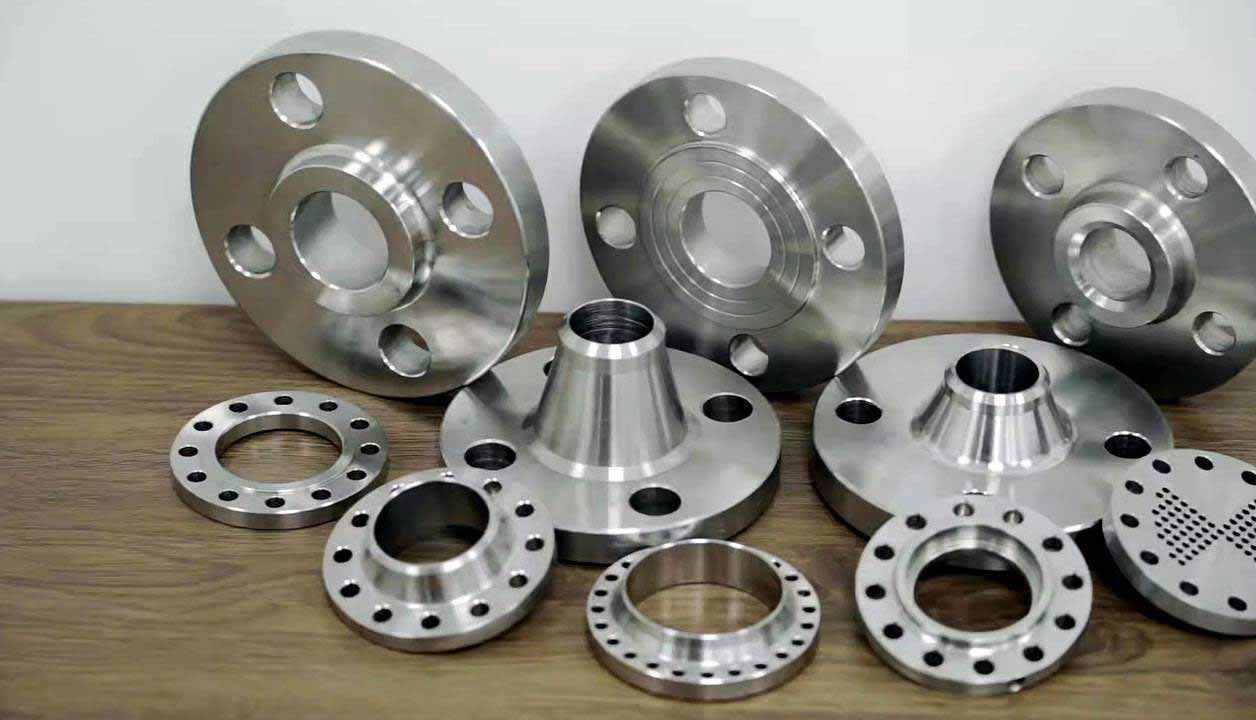 | Stainless Steel Flanges Manufacturer of ASTM A182 F304L Slip on and WNRF Flanges in India Stainless Steel 304L Flanges 304L Stainless Steel Flanges are made up of 304L... View product → |
How do you control assembly and prevent leaks at site?
A flange can meet its drawing dimensions and still leak because installation controls the seal. In SWRF flange piping packages, a scratched raised face, uneven bolt load, wrong gasket dimensions, bore mismatch or forced alignment can defeat a correct marking.
1. Confirm the socket-weld procedure against the project welding specification and ASME B31.3 guidance. Leave the commonly used approximately 1/16-inch (1.5 mm) root gap between the pipe end and socket shoulder; do not bottom the pipe hard against the shoulder. The project procedure takes precedence over generic supplier instructions.
2. Inspect both raised faces before assembly. Remove oil, scale and weld spatter, and reject a face with gouges or circumferential scratches that cross the sealing area. Support the pipe independently so its weight does not pull the flanges out of parallel.
3. Select the gasket by service, dimensions and standard. ASME B16.20 covers metallic gaskets, including spiral-wound and ring-type gaskets; ASME B16.21 covers nonmetallic flat gaskets. Never reuse a compressed gasket, and do not substitute one because the stainless grade matches.
4. Fit compatible studs, nuts and bolting grade, then bring the faces parallel without forcing misaligned pipe into position. Tighten in staged passes using a cross-pattern sequence and the project torque or tension procedure; uneven loading creates a leak path.
5. Close the record trail for stainless steel swrf flanges for epc by linking the installed flange, gasket and bolting records to the isometric, line number, heat number and final inspection dossier. Confirm the socket weld, face condition, gasket identity, bolt condition and final torque record.
Frequently asked questions
What does SWRF mean on an EPC piping package?
SWRF is ambiguous: catalogues can use it for slip-on raised-face or socket-weld raised-face. Write the construction in full on the requisition and purchase order.
How do you choose SWRF instead of another flange type?
Choose the flange construction against the pipe size, pressure-temperature duty, welding method, access, alignment and project specification. Use a weld-neck flange when fatigue resistance or smooth bore transition is important, and do not substitute a slip-on or socket-weld flange without approval.
Which dimensions, materials and standards must match?
Match nominal pipe size, outside diameter, bore, bolt-hole number and diameter, bolt-circle diameter, flange thickness, raised-face dimensions, pressure class, material grade and pipe schedule. Confirm the governing standard, such as ASME B16.5 for NPS 1/2 through 24, ASME B16.47 for larger sizes, and ASTM or ASME material specifications listed in the requisition.
What belongs on the purchase order and inspection plan?
State the full flange construction, size, class, facing, material grade, applicable standards, quantity, marking, heat-number traceability, material test certificates, dimensional checks, visual inspection, and any PMI, NDE or pressure-test requirements.
How do you control assembly and prevent leaks at site?
Check flange alignment, clean and undamaged raised faces, gasket type and centring, bolt condition, and thread lubrication. Tighten bolts in a cross-pattern using a calibrated torque procedure, then inspect for leakage during the specified pressure test.