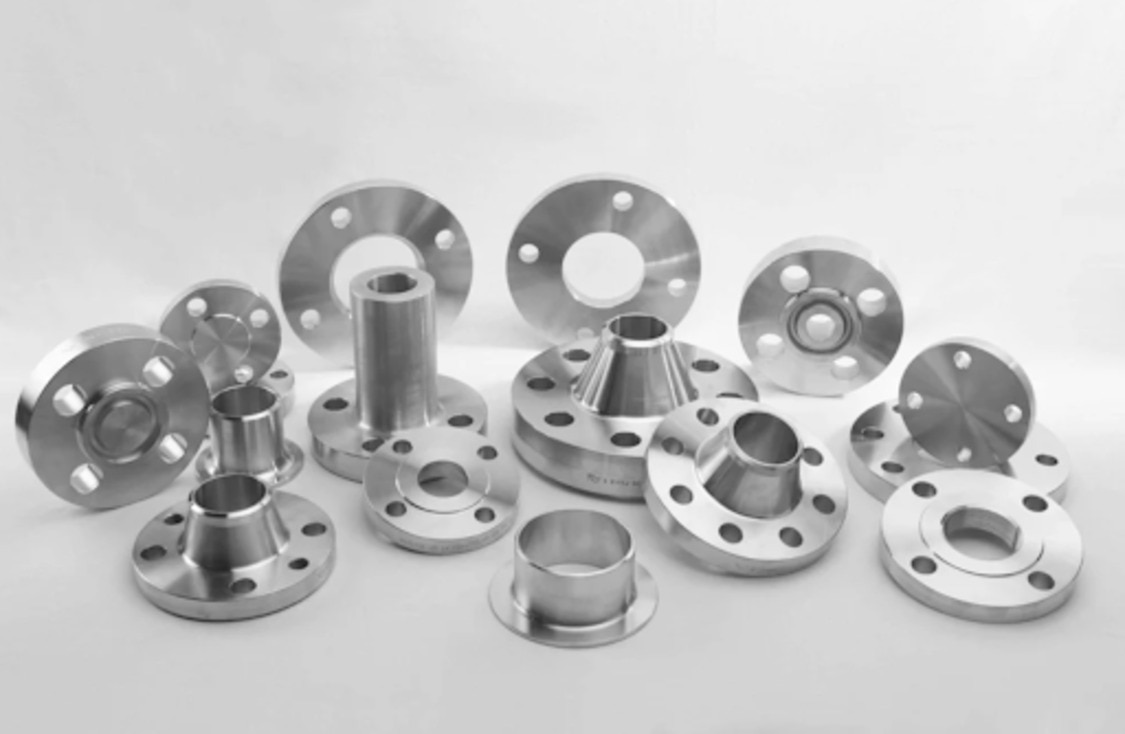
Stainless steel flanges earn their shelf space when corrosion, hygiene, inspection requirements, or replacement costs outweigh their higher purchase price. By comparing grades, competing materials, inventory risk, standards, and buying controls, you can decide which sizes and specifications deserve capital in stock.
Key takeaways
- Stock stainless flanges where corrosion, contamination, or repeat replacement justifies the premium.
- Choose 304L for many general applications; choose 316L for chloride and marine exposure.
- Match flange size, pressure class, facing, bore, and standard before buying inventory.
- Demand heat numbers, material certificates, inspection records, and clear traceability documents.
When stainless steel flanges make commercial sense
The practical question—are stainless steel flanges worth it for stockists—has a clear answer when corrosion exposure, replacement cost, and repeat demand outweigh the higher purchase price. Stainless earns shelf space where carbon steel would need coating, frequent replacement, or strict contamination control.
Compare total delivered value, not the invoice alone. A cheaper carbon-steel or galvanized flange can create rust claims, coating damage, premature replacement, and urgent sourcing costs. Stainless stock also needs segregation from carbon-steel grinding dust and contaminated tools; rust-stained pieces are harder to resell.
Carry stainless inventory when:
- Customers specify hygienic, food, pharmaceutical, water-treatment, or chemically resistant service.
- Coastal, marine, brine, or chloride-bearing duty makes 304L an unsuitable default and supports demand for 316L.
- Buyers need repeat access to a documented grade such as ASTM A182 F304L or F316L, rather than an unspecified “SS flange.”
- The same sizes and pressure classes sell repeatedly, giving capital a faster turnover than occasional project-only items.
304L is a sensible core grade for general water, food, architectural, and mildly corrosive applications. 316L justifies its premium when chloride exposure, pitting risk, or chemical-process service makes a premature replacement more expensive than the original saving. Do not treat 316L as seawater-proof; deposits, crevices, heat, and poor drainage can still cause failure.
Choosing between 304, 304L, 316, and 316L
Keep 304L as the core grade for general industrial demand. It suits water, food, pharmaceutical, architectural, and mildly corrosive service, while its maximum 0.030% carbon content reduces sensitization after welding.
| Grade | Main advantage | Stocking decision |
|---|---|---|
| 304 | Lower-cost general corrosion resistance | Carry for unwelded replacement work and less demanding service |
| 304L | Same broad resistance with lower welding risk | Make this the practical core for fabricated piping systems |
| 316 | Molybdenum improves resistance to chloride pitting and crevice corrosion | Carry where customers specify brine, coastal, or process-chemical service |
| 316L | 316 resistance with a maximum 0.030% carbon content | Pay the premium for welded systems exposed to chlorides or aggressive chemicals |
A stainless steel 304L flanges stockist should not present 304L as a substitute for 316L in chloride-rich service. Saltwater, brine, coastal exposure, and chemical processing can justify 316 or 316L because localized corrosion can cause an early replacement, leak, or rejected installation.
Temperature, chloride concentration, crevice design, welding condition, and oxygen availability still determine whether 316 will perform; it is not automatically suitable for hot or severe seawater duty.
Stock both families when your customers regularly specify chloride resistance. Otherwise, holding 304L in common slip-on and weld-neck sizes protects turnover, while a smaller 316L range covers confirmed demand. Verify the grade on the material certificate and use positive material identification when mixed 304, 304L, 316, and 316L inventory could create a costly substitution.
Why size, rating, and standard control your inventory risk
A flange is not interchangeable because its outside diameter matches. One mismatch in the specification can prevent bolting, sealing, welding, or code acceptance, even when both parts appear to suit the same pipe.
Check these points before treating stock as equivalent:
- Dimensions: Compare nominal bore, outside diameter, thickness, bolt-circle diameter, bolt-hole count, and hole diameter. A near match can still leave bolts offset.
- Rating: ASME Class 150 and EN PN16 are not automatically equivalent. Confirm design temperature, flange material, bolting, gasket, and governing design code.
- Facing: Raised face, flat face, and ring-type joint require matching mating surfaces and gasket arrangements. A facing mismatch can leak after tightening.
- Bore: Match the pipe outside diameter and wall schedule. A different bore creates an internal step, poor weld fit, or reduced flow area.
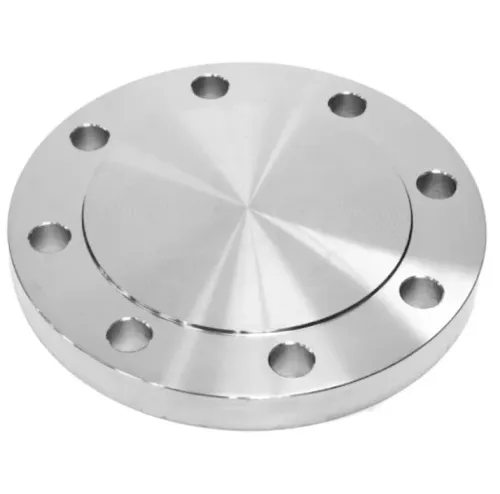
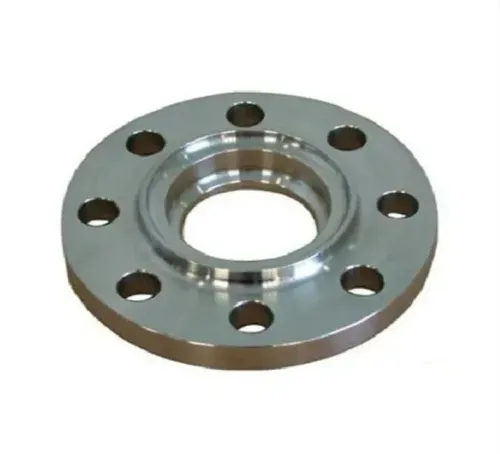
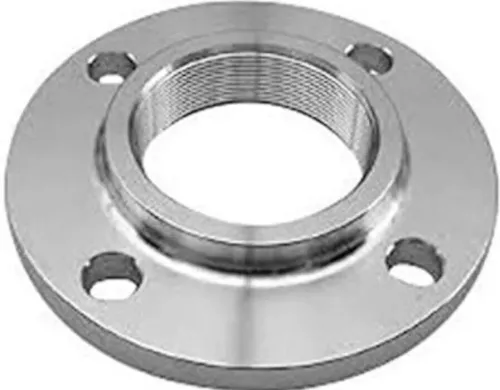
- Connection: Weld-neck, slip-on, threaded, socket-weld, and blind flanges are not substitutes. Each changes installation method and stress performance.
- Evidence: Require the exact grade, product standard, heat or cast number, dimensions, and chemical and mechanical results on the certificate.
For stainless steel 316 flanges wholesale, compare the complete delivered package rather than the invoice alone. Check grade authenticity, dimensional accuracy, packaging, available sizes, and replacement lead time. Ask for positive material identification when 304, 304L, 316, and 316L stock is mixed or service consequences are high.
Missing traceability can end in inspection rejection, installation delay, or corrosion-related replacement.
The buying checklist that protects margin and traceability
A stainless steel flange supplier in Hyderabad should receive a written specification before quoting, not a request for “SS flanges.” Local availability does not make ASME and EN components interchangeable, so record every parameter against the customer’s purchase order.
- Confirm the governing standard: ASME B16.5 or B16.47, EN 1092-1, or another named standard; state the nominal size, pressure class or PN rating, facing, bore, and connection type.
- Name the material precisely, such as ASTM A182 F304L, F316, or F316L. “Stainless steel” alone is inadequate.
- Require the material test certificate showing the heat or cast number, chemical composition, mechanical results, product specification, and flange dimensions.
- Check that the heat number on the certificate matches the flange marking and packing label. Use positive material identification when 304, 304L, 316, and 316L stock could be mixed.
- Confirm the certification package requested by the customer, including dimensional inspection, hydrostatic or other specified test records, and EN 10204 Type 3.1 certification when required.
- Specify compatible bolts, nuts, gasket material, lubrication, and tightening instructions; stainless fasteners can gall, while uneven tightening can cause leakage.
- Record packaging, marking, quantity tolerance, replacement lead time, and damage responsibility before placing the order.
The same checklist lets you compare Chirag Steel with any other source on delivered value, not merely invoice price. Missing traceability can end in inspection rejection, delayed installation, or an unsellable batch.
Related products
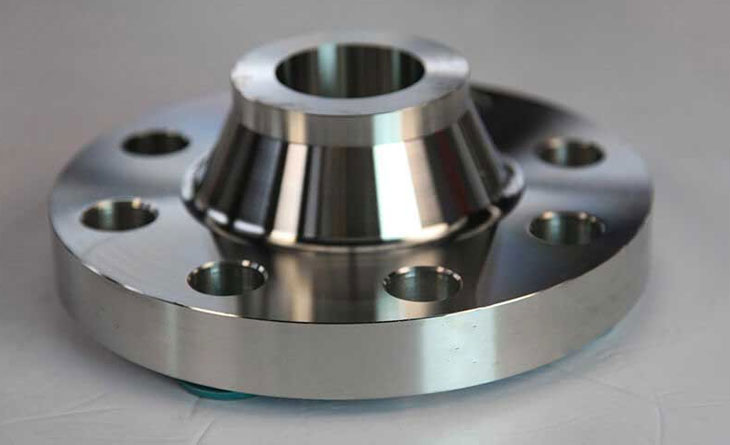 | Stainless Steel Flanges ASTM A182 F316 Blind flange and Weld Neck Flanges Manufacturer in India Stainless Steel 316 Flanges 316 Stainless Steel Flange Dimensions differ from... View product → |
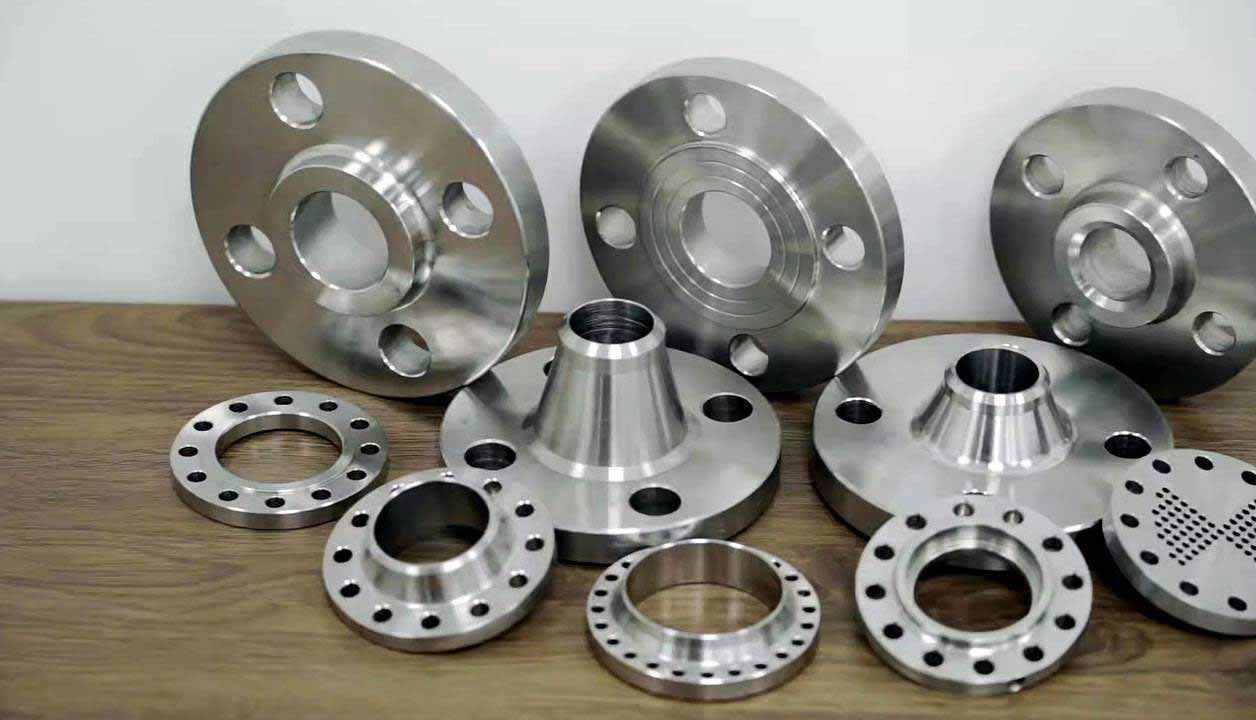 | Stainless Steel Flanges Manufacturer of ASTM A182 F304L Slip on and WNRF Flanges in India Stainless Steel 304L Flanges 304L Stainless Steel Flanges are made up of 304L... View product → |
A practical stock strategy for profitable coverage
Start with your last 12 months of quotations, invoices, and lost orders. Rank demand by nominal bore, pressure class or PN rating, facing, connection style, and grade—not by outside diameter alone. This reveals which combinations turn repeatedly and which only consume cash.
| Tier | Stock policy | Typical scope |
|---|---|---|
| Core | Hold regularly | 304L slip-on and weld-neck flanges in the most requested bores, facings, and pressure classes |
| Conditional | Hold selectively | 316L sizes for customers serving seawater, brine, coastal sites, or process chemicals |
| Buy-to-order | Do not warehouse broadly | Rare bores, high ratings, unusual facings, large diameters, and 316L combinations with no repeat demand |
Set reorder points from actual monthly usage and supplier replacement lead time. Keep a small safety quantity for core items, but require a confirmed order before expanding into slow-moving ratings or sizes. The stainless steel flange benefits for distributors become real only when faster fulfilment and repeat sales outweigh storage and financing costs.
For stainless steel 316 flanges wholesale, compare total delivered value rather than unit price. Confirm grade authenticity, dimensions, test certificates, heat numbers, packaging, and replacement time; a rejected or undocumented flange can erase the margin. Store stainless stock away from carbon-steel grinding dust and contaminated tools, because rust staining creates avoidable inspection disputes.
Quote compatible bolting, gasket selection, and tightening requirements with the flange.
Frequently asked questions
When do stainless steel flanges make commercial sense for stockists?
They make commercial sense when corrosion exposure, contamination control, replacement cost, or repeat demand outweighs the higher purchase price.
How should you choose between 304, 304L, 316, and 316L flanges?
Use 304 for general corrosion service, 304L where welding and reduced carbon are important, 316 for stronger resistance to chlorides, and 316L when welding performance and chloride resistance both matter.
Why do flange size, pressure rating, and standard affect inventory risk?
A flange is usable only when its nominal size, pressure class, facing, drilling pattern, bore, and manufacturing standard match the piping system.
What should stockists check before buying stainless steel flanges?
Check the grade, dimensions, standard, pressure rating, heat number, material test certificate, inspection records, surface condition, and packaging.
How can a stockist build profitable stainless flange coverage?
Prioritise repeat sizes and grades, separate fast-moving stock from project-specific items, and avoid tying up capital in uncommon ratings or drilling patterns.
Related products
 | Stainless Steel Flanges Manufacturer – Chirag Steel Chirag Steel is a trusted and reliable Stainless Steel 316L Flanges Manufacturer, Supplier, and Exporter, offering... View product → |
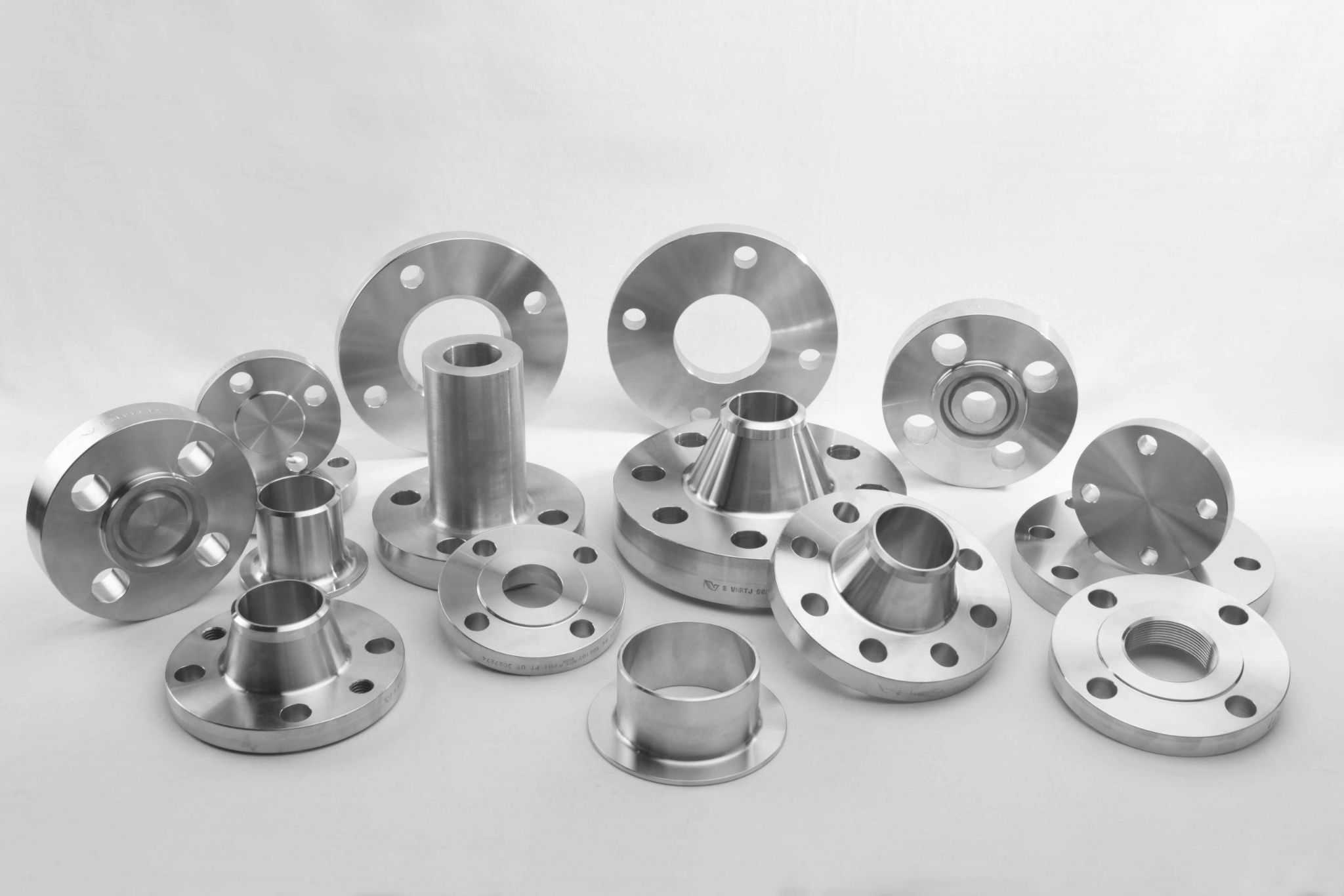 | Stainless Steel Flanges PED Steel Flanges / Weld Neck Flanges / ASTM A 182 Stainless Steel WNRF Flanges,Din Standard Flanges; DIN... View product → |
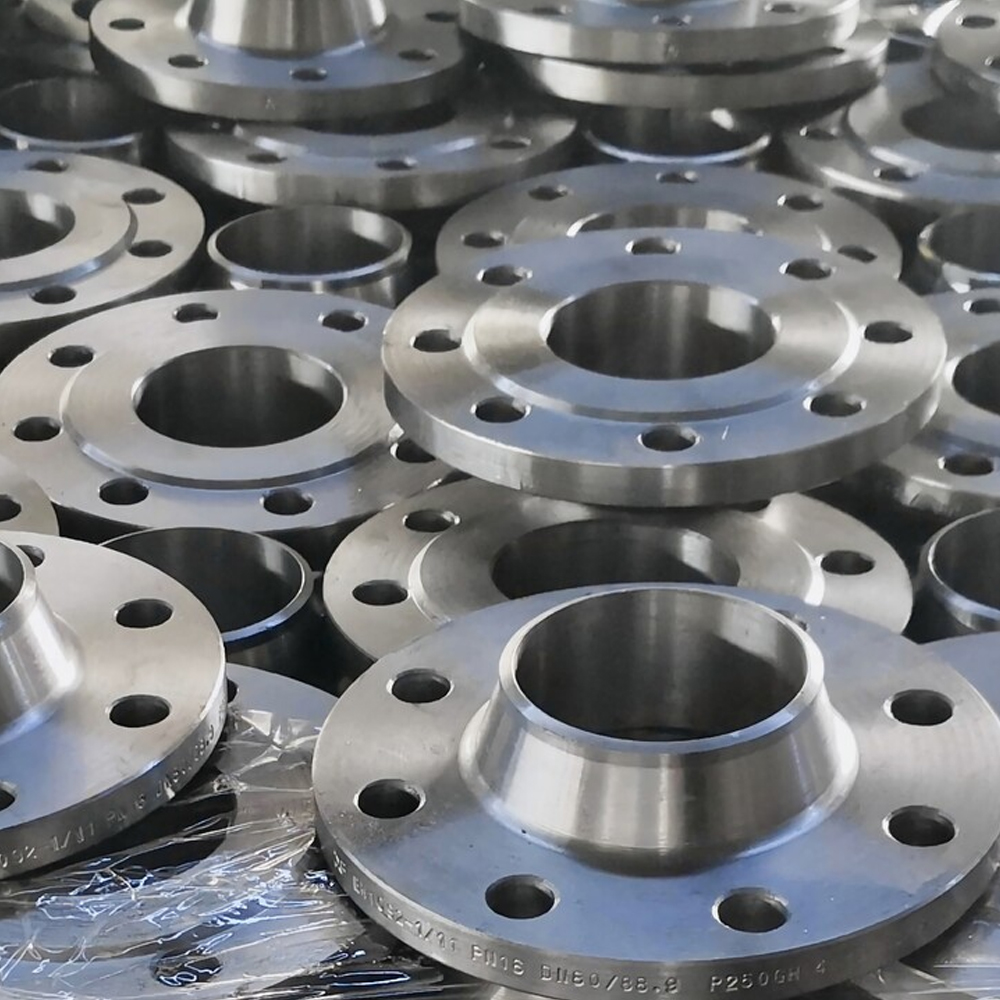 | Stainless Steel Flanges ASTM A182 F304 Blind Flange Dimension and A182 Grade F304 Slip on Flange pressure classs Great Steel & Metals is a supplier of all types of 304... View product → |