
A flange marked only “4-inch, 150” is not enough to order a safe replacement: the standard, drilling, bore, face, material and pipe wall must all match. By the end, you will know how to identify the installed flange, prepare a quotation request, choose between 304L and 316L, and control the replacement from isolation through pressure testing.
Key takeaways
- State size, pressure class, schedule, grade, face and standard before ordering.
- Read the flange marking and measure the pipe before selecting a replacement.
- Match the gasket, bolting, bore and material to the existing piping system.
- Send suppliers markings, dimensions, photos and certification requirements for a correct quote.
What must be specified before ordering a WNRF flange?
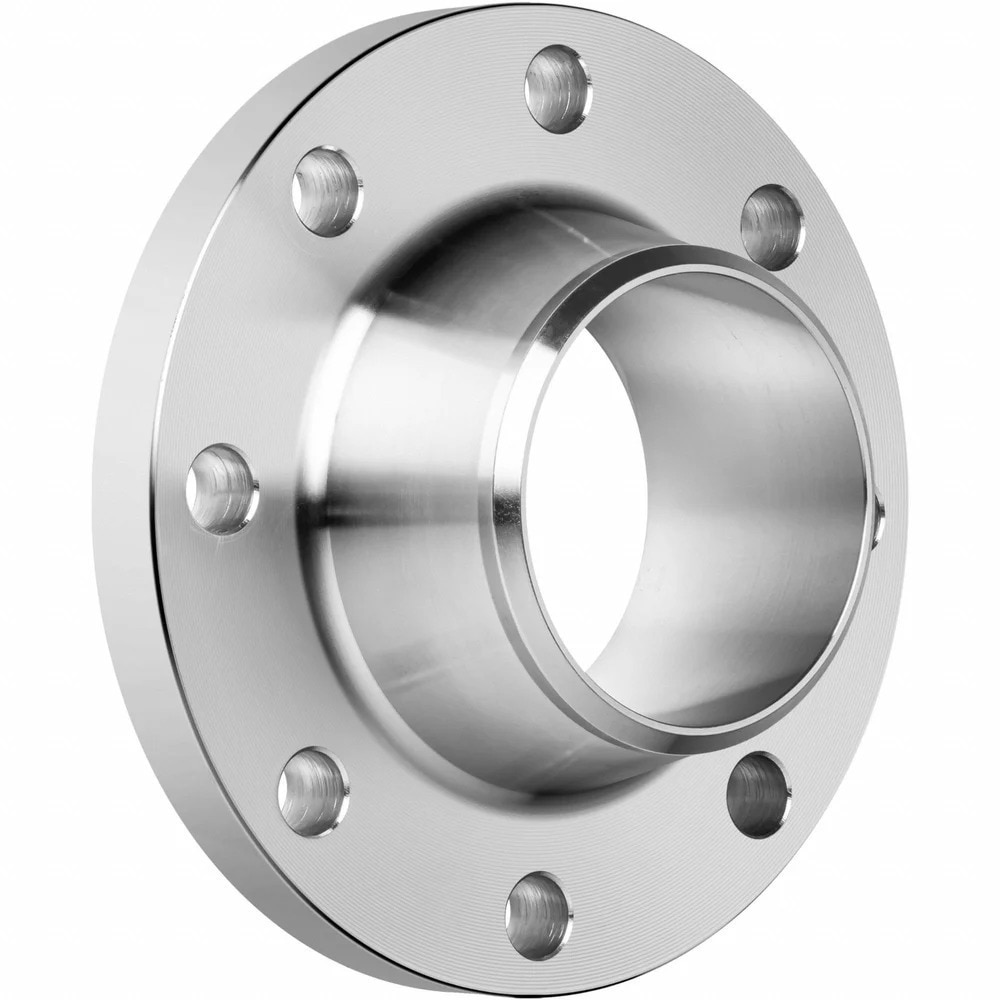
A WNRF is a weld-neck, raised-face flange: its tapered hub is butt-welded to the pipe, aligns the bore, and transitions stress gradually from the pipe into the flange. The raised face supplies the gasket seating surface. For 304L WNRF flanges, state the complete specification rather than ordering “stainless steel WNRF flanges.”
| ASME designation | EN designation | Ordering point |
|---|---|---|
| Class 150, 300 or 600 | PN16 or another PN rating | Not interchangeable at the same NPS or DN |
| Class | PN | ASME uses a class, not a pressure value in bar |
| Material group and temperature | Material and temperature | Both affect the allowable pressure rating |
A WNRF differs from alternatives in installation and bore:
| Type | Key difference | When unsuitable |
|---|---|---|
| Slip-on | Slides over the pipe and is fillet-welded | Avoid where the butt-welded tapered hub is required |
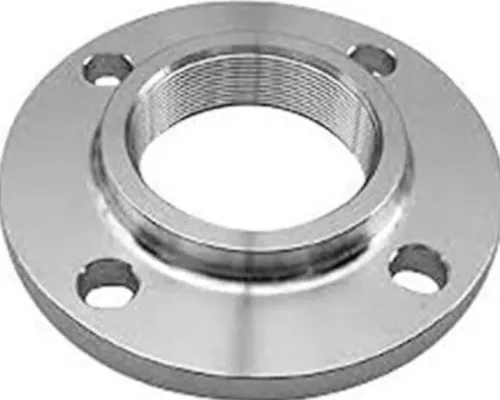
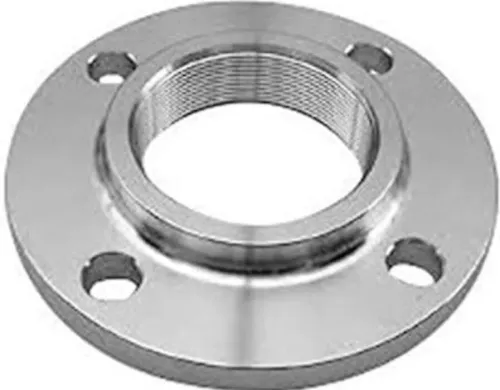
| Socket-weld | Pipe enters a socket; no tapered weld neck | Unsuitable for a specified weld-neck bore |
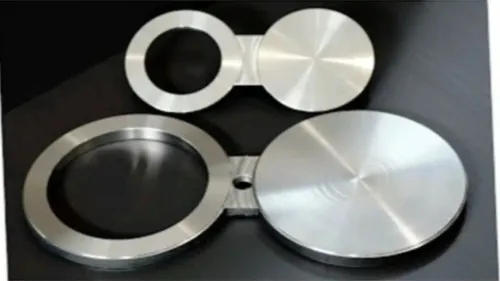
| Blind | Solid disc with no bore | Cannot replace an open pipe connection |
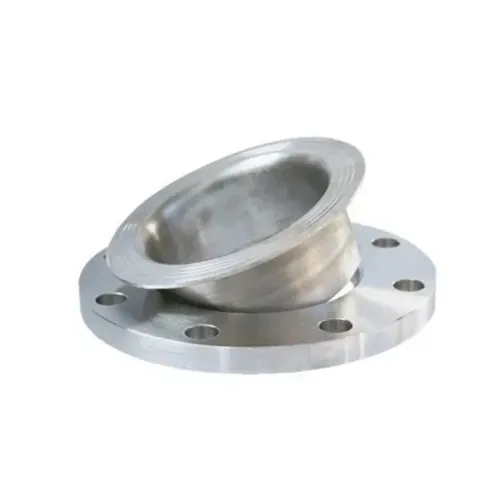
| Lap-joint | Loose flange used with a stub end | Unsuitable without the matching stub end |
Include these details in the purchase description:
- Standard: ASME B16.5 or EN 1092-1.
- NPS or DN, and Class 150, 300 or 600, or PN rating.
- Grade, such as ASTM A182 F304L or F316L.
- Raised-face finish, bore or pipe schedule, bolt-hole drilling, and quantity.
- Required gasket, inspection documents, material certificate and heat traceability.
How do you identify an installed flange before ordering?
Identify an installed flange by its measured geometry and markings, not by “4-inch 150#” alone. Record these values before starting a WNRF flange replacement:
- Measure the flange outside diameter across the rim, and flange thickness at the flat outer section, using a steel rule or callipers.
- Measure the bolt-circle diameter from one hole centre to the opposite hole centre across the flange. Record bolt-hole count, hole diameter, orientation, and the position of the bolt holes relative to the pipe or equipment.
- Measure raised-face diameter and height from the flange face, then hub diameter at the tapered weld-neck section.
- Measure the bore at the weld end with an inside micrometer or bore gauge where available; callipers can check accessible diameters. Record the pipe outside diameter and wall thickness separately.
Photograph and transcribe every visible mark: standard, Class, PN, grade, heat number, and manufacturer identification. For stainless steel WNRF flanges for replacement in Mumbai, these records prevent a catalogue match that fits the bolts but fails at the weld.
The same nominal size can have different dimensions under ASME B16.5 and EN 1092-1. Above NPS 24, check ASME B16.47 and specify Series A or Series B; their drilling patterns differ. Correct outside diameter and bolt drilling do not prove that the weld-end bore suits the pipe schedule.
A wrong bore creates weld mismatch, flow restriction, or stress concentration.
How do grade, face, gasket and certification choices affect the replacement?
304L WNRF flanges suit welded stainless systems where sensitization control matters; 316L WNRF flanges add molybdenum for stronger resistance to chloride attack. Neither grade name proves suitability.
| Grade | Advantage | Check before replacement |
|---|---|---|
| 304L | Low carbon reduces sensitization risk after welding | Fluid, chloride concentration, temperature, oxidizing conditions, crevices, weld condition and corrosion allowance |
| 316L | Molybdenum improves chloride resistance | Confirm chloride level, temperature, crevice exposure and corrosion allowance; it is not universally superior |
| 304L or 316L | Both require controlled fabrication | Use qualified welding, suitable filler, cleaning and heat-input control |
An “L” suffix reduces sensitization risk; it does not prevent weld-related corrosion, distortion or contamination. Ask for ASTM A182 F304L or F316L, with the applicable ASME designation where the piping code requires it. “SS304” or “SS316” is insufficient.
Match the raised-face diameter, height and serrated finish to the companion flange. Confirm gasket material and dimensions, bolt diameter and length, nut grade, washers, lubrication and the specified tightening procedure. Install a new gasket; a compressed gasket can leak after reuse. Do not replace stainless bolting with ordinary carbon-steel fasteners.
Request evidence that identifies the actual component:
- Heat-number-marked flange and matching material test certificate
- Chemical analysis, tensile strength, yield strength and elongation
- Hardness where specified, heat treatment and product dimensions
- Positive material identification at receipt when mixed stainless inventory is possible
Compare markings, dimensions, drilling, bore, facing, grade and heat number with the purchase order and approved drawing before installation.
What is the safe sequence for WNRF flange replacement?
A WNRF flange replacement starts only after the site team identifies the correct line and isolates every energy source. Lock out valves, depressurise, drain and vent the system, then confirm zero pressure and a safe atmosphere before unbolting or cutting.
- Mark the existing flange orientation and loosen bolts from a safe position, keeping clear of the joint line.
- Cut out the old weld-neck flange without damaging the pipe. Protect the pipe end from sparks, impact and contamination.
- Inspect the exposed pipe for corrosion, ovality, wall loss, cracks and weld damage. Remove defective pipe before proceeding.
- Compare the new stainless steel WNRF flange with the approved drawing and removed part. Check standard, Class or PN, grade, bore, drilling, raised-face dimensions and finish.
- Confirm bore alignment and ensure the pipe enters the hub without force. Align and complete the butt weld using a qualified welding procedure and qualified welder.
- Inspect the weld, install a new correctly sized gasket, and verify bolt diameter, length, nut grade, washers and lubrication. Tighten in a cross pattern using the specified torque or tension procedure.
- Complete leak or pressure testing to the approved piping code, inspect the joint, reinstate the line and document release.
| Check | Acceptance | Stop work when |
|---|---|---|
| Weld | Approved visual and NDE results | Cracks, lack of fusion or unacceptable indication |
| Joint | Correct gasket, alignment and test result | Leakage or uncontrolled bolt load |
| Rating | Line class and temperature derating checked | Class exceeds the weakest component or design limit |
A matching Class marking alone does not override temperature derating, corrosion, gasket limits or the weakest joint component.
What should you send Mumbai suppliers for a fast, correct quotation?
Send a complete dimensional brief, not “stainless flange, 4-inch.” Include:
- Nominal pipe size or DN, NPS where applicable, pipe schedule or measured wall thickness
- Governing standard, Class or PN rating, material grade and product designation, such as 316L WNRF flanges
- Raised-face finish, bore, bolt-hole count, bolt-circle drilling and orientation
- Quantity, gasket type, bolt diameter, length, nut grade and lubrication requirements
- Inspection documents, material certificate, positive material identification and exact delivery location in Mumbai
- Flange photographs, a marked dimensional sketch, removed-part markings and the required dispatch date
| Detail that changes the quotation | Why it changes the timing |
|---|---|
| Special bore or large diameter | Machining, handling and dimensional inspection can replace standard stock |
| Nonstandard drilling or pressure class | The flange may require custom production rather than picking from inventory |
| Face finish or certification package | Facing work, testing, traceability records and review add processing time |
Ask the supplier to confirm actual stock, manufacturing lead time, heat-number traceability, inspection status, matching material test certificate, PMI when required and a firm dispatch date. Chirag Steel is one possible source for stainless steel WNRF flanges when you provide this complete replacement brief.
At receipt, compare markings, dimensions, drilling, bore, raised-face diameter and finish, grade, heat number and certificates against the purchase order, removed part and approved sketch. A flange that looks right can still have the wrong schedule bore or drilling.
Related products
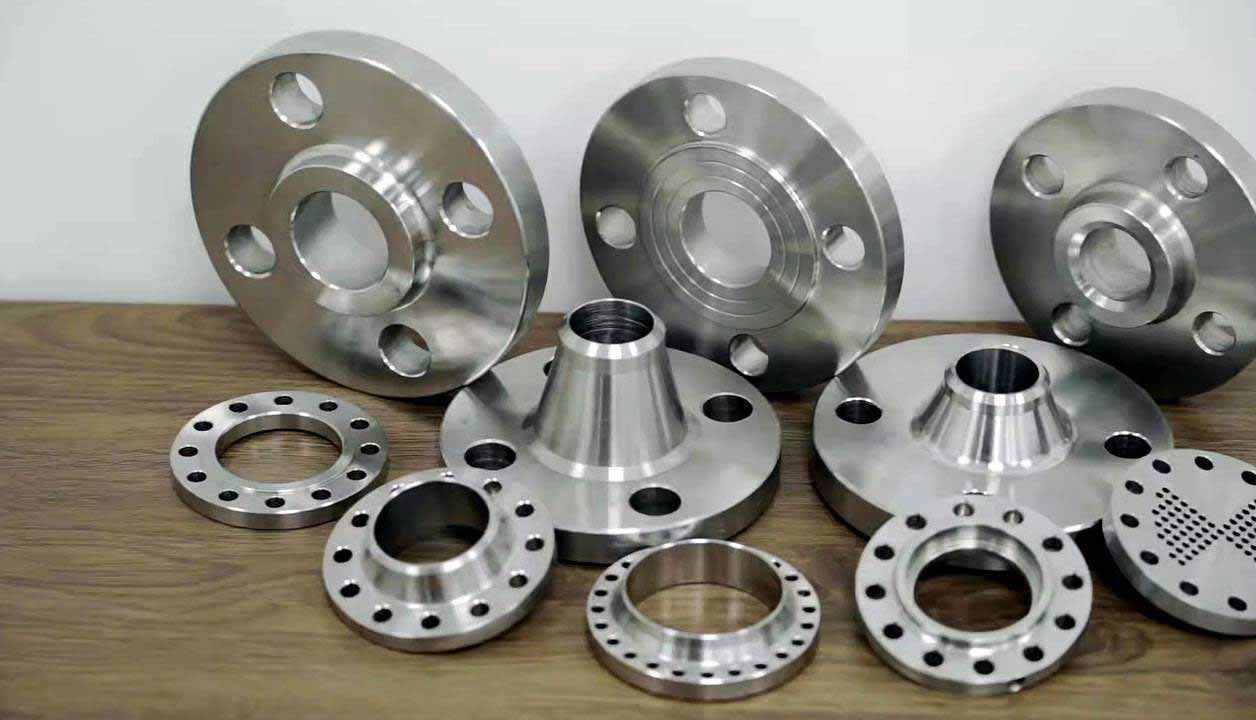 | Stainless Steel Flanges Manufacturer of ASTM A182 F304L Slip on and WNRF Flanges in India Stainless Steel 304L Flanges 304L Stainless Steel Flanges are made up of 304L... View product → |
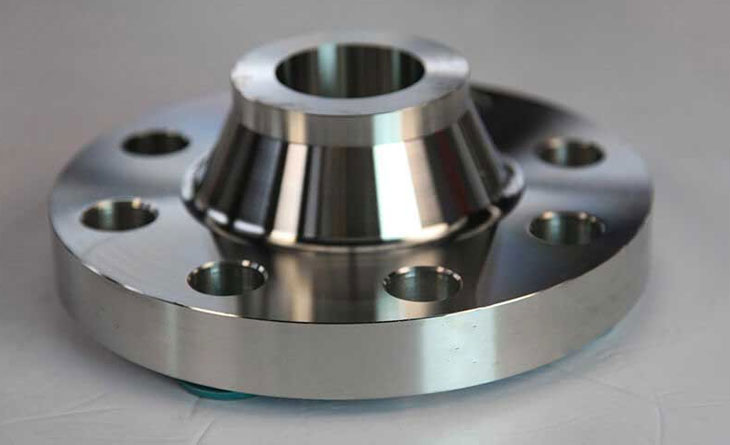 | Stainless Steel Flanges ASTM A182 F316 Blind flange and Weld Neck Flanges Manufacturer in India Stainless Steel 316 Flanges 316 Stainless Steel Flange Dimensions differ from... View product → |
Frequently asked questions
What must be specified before ordering a WNRF flange?
Specify nominal pipe size, ASME pressure class, flange standard, pipe schedule or bore, material grade such as 304L or 316L, raised-face dimensions, facing finish, gasket type, bolting requirements and certification documents.
How do you identify an installed flange before ordering?
Record the flange markings, measure the outside diameter, bolt-hole count, bolt-circle diameter, bore and flange thickness, then confirm the connected pipe size and schedule. Photograph the markings and the complete assembly.
How do grade, face, gasket and certification choices affect the replacement?
Choose 304L or 316L to match corrosion exposure and the existing weldable material, match the raised-face dimensions and finish to the gasket, and request material test reports or other documents when the project specification requires traceability.
What is the safe sequence for WNRF flange replacement?
Isolate, depressurise, drain and decontaminate the line; verify zero energy; remove the old flange, inspect the pipe and alignment, fit and weld the replacement under the approved procedure, install a compatible gasket and bolts, tighten in a cross pattern, and test before service.
What should you send Mumbai suppliers for a fast, correct quotation?
Send quantity, size, class, standard, grade, bore or schedule, face finish, gasket and bolting details, delivery location, required documents, flange markings, measured dimensions and clear photographs.
Related products
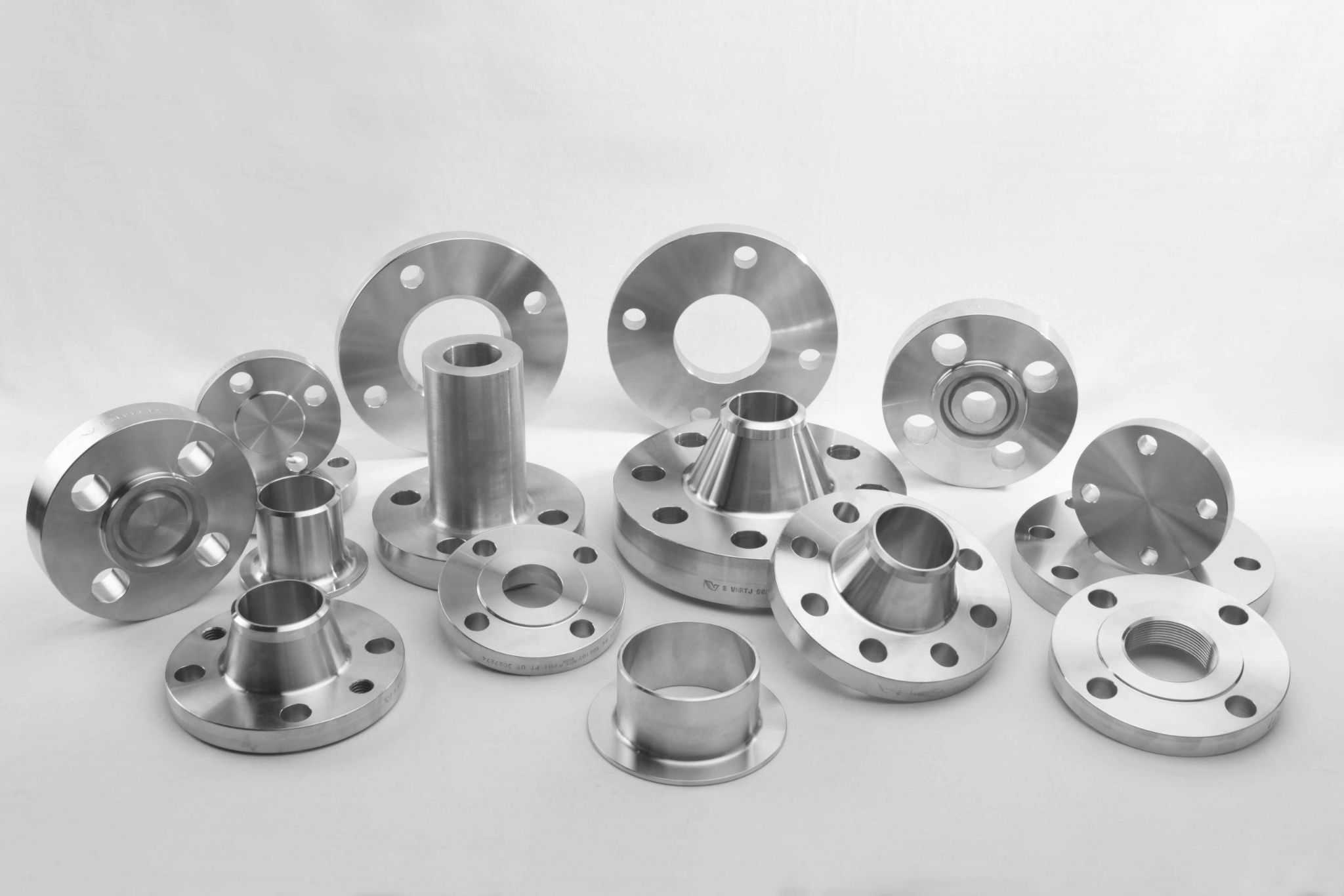 | Stainless Steel Flanges PED Steel Flanges / Weld Neck Flanges / ASTM A 182 Stainless Steel WNRF Flanges,Din Standard Flanges; DIN... View product → |
 | Stainless Steel Flanges Manufacturer – Chirag Steel Chirag Steel is a trusted and reliable Stainless Steel 316L Flanges Manufacturer, Supplier, and Exporter, offering... View product → |
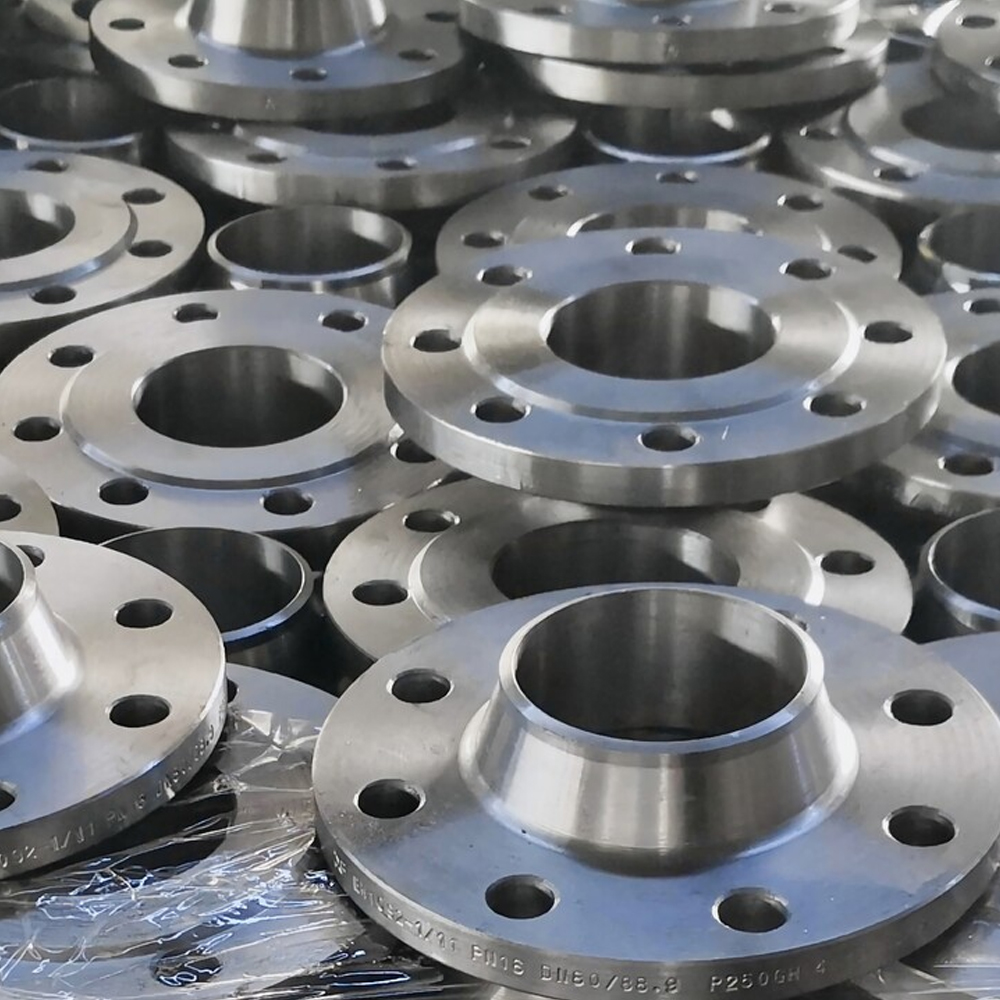 | Stainless Steel Flanges ASTM A182 F304 Blind Flange Dimension and A182 Grade F304 Slip on Flange pressure classs Great Steel & Metals is a supplier of all types of 304... View product → |
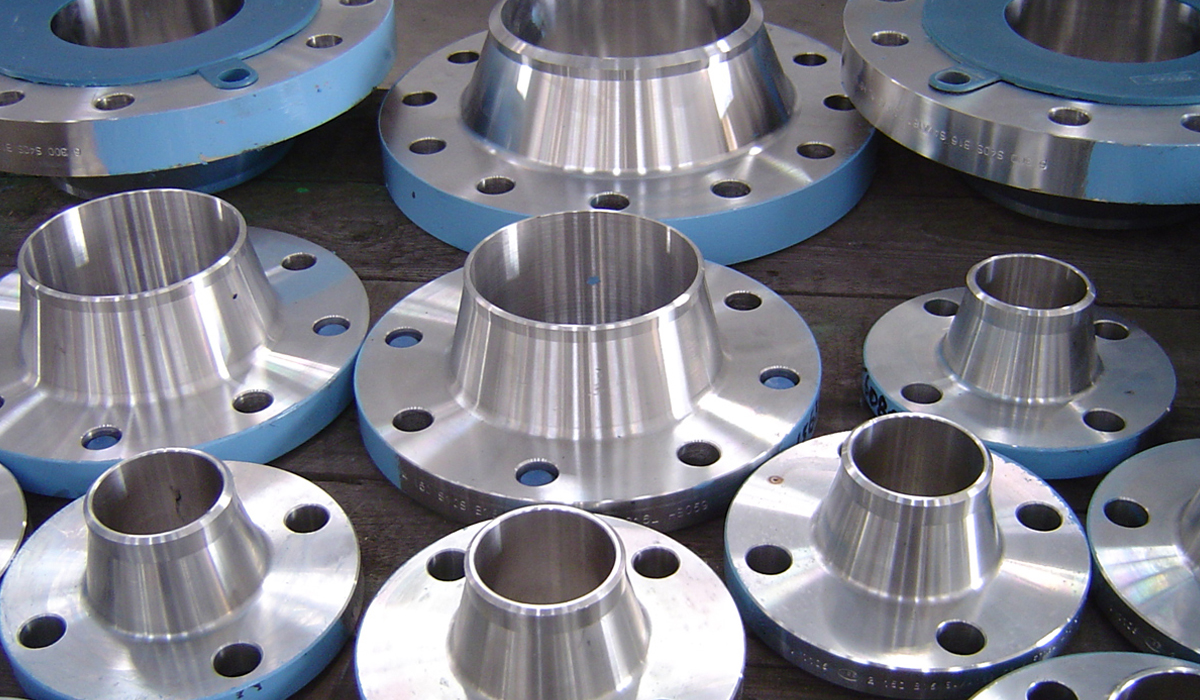 | Stainless Steel Flanges Manufacturer – Chirag Steel Chirag Steel is a leading Stainless Steel 904L Flanges Manufacturer, Supplier, and Exporter, offering premium-quality... View product → |