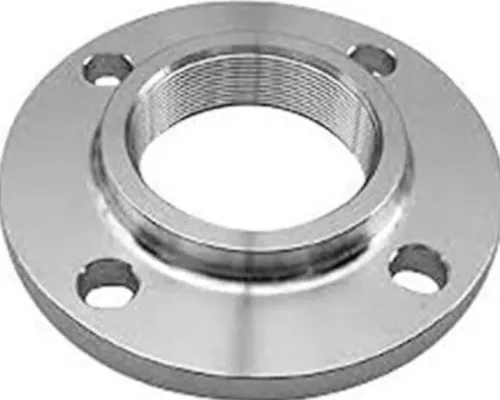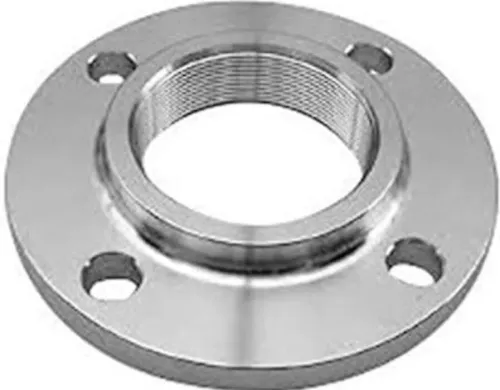

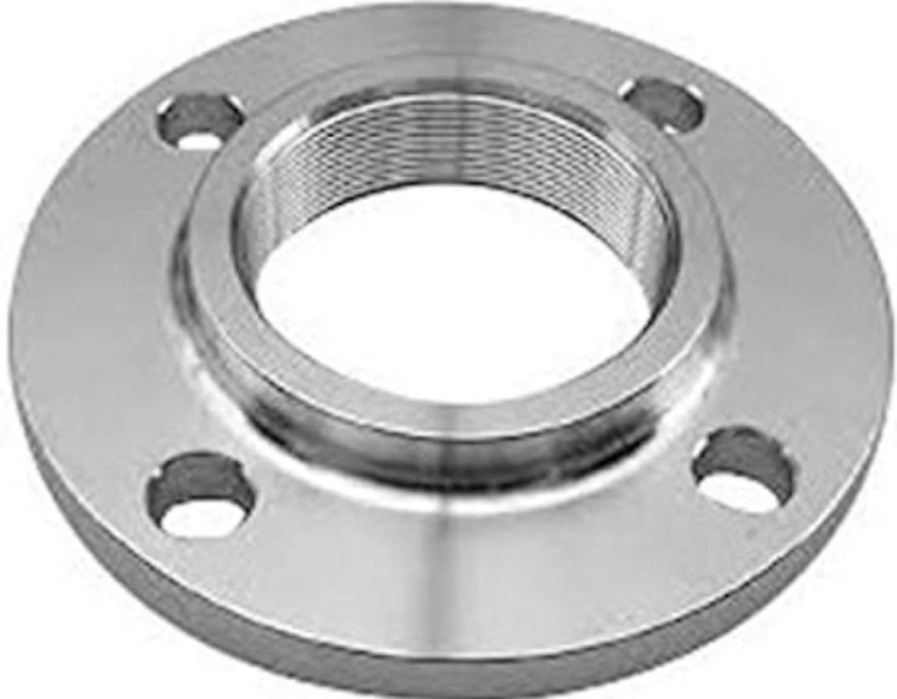
Rain is only one part of the problem: humid air, salt-laden deposits, floor water, and condensation inside sealed packaging can attack thread roots, bores, and crevices after the flange looks dry. By following a receiving, drying, packaging, placement, inspection, and release procedure, you can keep threaded flanges clean and installation-ready through Mumbai’s wet season.
Key takeaways
- Store flanges above floor level, away from doors, walls, louvers, and loading bays.
- Clean and dry every flange before packing; remove salt, dust, and condensation.
- Use breathable wrapping with desiccant instead of airtight packaging around wet metal.
- Inspect threads on schedule and release only clean, undamaged flanges.
Set Up a Dry Storage Location Above Mumbai’s Monsoon Hazards
Place threaded flanges inside a roofed, enclosed warehouse zone, well away from open doors, louvers, loading bays, and walls exposed to monsoon spray. This is the foundation of threaded flange storage in Mumbai: prevent wetting before you try to control humidity.
Use a raised, clean rack or pallet position with space beneath each component for air circulation. Keep the storage area above floor level and away from drains, wash-water routes, and places where water can pool. A suitable location has:
- A sound roof with no leaks or dripping condensation
- Clearance from external walls so cold surfaces do not transfer moisture
- Enough aisle space for airflow and inspection
- Drainage that carries floor water away from the rack
- Doors or shutters that limit salt-laden coastal air and rain splash
Do not place flanges directly on concrete, bare steel, damp timber, or a wet pallet. Use clean, dry non-metallic separators or a suitably coated rack; carbon-steel contact can introduce contamination, while damp supports hold water against the flange.
During stainless steel flange monsoon protection, pay particular attention to temperature changes. A cold flange brought into warm, humid air can develop condensation inside the bore, thread roots, or under a cap even when its face looks dry.
Keep components in the stable interior zone, not beside evaporative coolers or sun-heated doors, and never pack a visibly damp flange in an airtight cover.
Inspect, Clean, and Dry Every Flange Before Packing
Water trapped in a thread root can start corrosion after the flange’s outer face feels dry. This receiving routine is central to how to protect stainless steel threaded flanges during monsoon storage in Mumbai: inspect every surface, remove contamination, and dry the component before packing.
1. Check the delivery package for torn plastic, pooled water, damp cardboard, broken thread caps, and salt residue. Photograph damage and keep affected flanges separate from clean stock.
2. Examine the external and internal threads, including every thread root and crest. Inspect the flange bore, back face, bolt holes, gasket contact surface, raised face, and the areas hidden under caps or wrapping.
3. Look for orange-brown deposits, tea staining, black marks, pinpoints, white chloride residue, fingerprints, and any visible moisture. A flange that looks clean on its face can still hold water inside its bore or crevices.
4. Remove loose dust and salt with a clean, lint-free cloth. Rinse chloride deposits with clean, low-chloride water if the material and site procedure permit; do not scrub grit into the threads or use carbon-steel brushes.
5. Dry the bore, thread roots, bolt holes, and contact faces completely with clean air or lint-free wipes. Do not pack a cold flange immediately after bringing it into a warmer room; let condensation evaporate first.
6. Reinspect after drying. Replace wet caps, liners, or packaging, and record pitting, damaged threads, deep staining, or impact marks for technical review before release. Never reseal trapped moisture.
Use Packaging That Controls Moisture Without Sealing It In
A sealed bag is not monsoon protection if the flange entered it damp. For stainless steel flange monsoon protection, dry the thread roots, bore, crevices, and packaging before closing anything; trapped humidity can cause localized corrosion while the outside still looks clean.
Use clean, dry, compatible non-metallic protectors to block impact, dirt, and water entry without packing contamination into the threads.
- Fit a clean cap over external threads and a clean plug in internal threads. Do not use carbon-steel covers, salty rags, or fiber-shedding material.
- Wrap the dry flange in clean polyethylene film for a basic moisture barrier, or use VCI film when the packaging system is specified for stainless steel and the surface is clean.
- Place an appropriate desiccant inside the package without allowing the sachet to touch machined sealing faces. Size and replace it according to storage duration and package volume.
- Add a durable outer cover to stop rain splash, dust, and handling damage, while keeping the package off the floor and away from open doors.
Do not simply reseal a wet package. Open it, inspect under the caps and film, dry the flange and replace wet polyethylene, VCI material, or desiccant. During threaded flange storage in mumbai, record package condition and inspect at shorter intervals near the coast, in non-air-conditioned sheds, or after any package opening.
Stock rotation limits the time moisture remains trapped in thread features.
Inspect on a Fixed Schedule and Release Only Clean, Undamaged Threads
Inspect every stored lot once a week throughout Mumbai’s monsoon. Shorten the interval to every three or four days for stock near the coast, in a non-air-conditioned shed, or inside opened packaging. Inspect immediately after rain splash, water ingress, or a package is found wet.
- Record the inspection date, flange identification or heat number, package condition, storage location, and action taken.
- Open the protection and examine thread roots, the bore, back face, bolt holes, contact surfaces, and areas beneath caps or wrapping. Record dampness, orange-brown deposits, tea staining, pinpoint rust-like marks, white salt residue, pitting, dents, crossed or crushed threads, and contamination from carbon-steel dust or rusty racks.
- Clean affected stainless surfaces with clean, dedicated tools, remove salt and loose iron contamination, and dry the thread roots, bore, and crevices completely. Do not reseal wet packaging; replace contaminated, torn, or damp protectors and wrapping.
- Quarantine any flange with damaged, seized, deeply pitted, or visibly deformed threads. Mark it with the defect and keep it out of installation stock until a competent inspector accepts the repair or replacement.
- Before issue, inspect the flange again under the protector, confirm that threads and sealing faces are clean, dry, and undamaged, and verify the identification against the purchase or installation record. Release it only after that check is signed off.
This documented routine is central to how to protect stainless steel threaded flanges during monsoon storage in Mumbai: moisture must be found before it remains trapped in threaded features.
Choose the Grade and Supplier Controls for the Storage Environment
Choose 316L when stock will face coastal chloride deposits, a non-air-conditioned shed, opened packaging, or service involving damp, stagnant threaded crevices. 316L threaded flanges in Mumbai provide more pitting and crevice-corrosion margin than 304, but molybdenum does not make them immune. The “L” mainly reduces weld sensitization risk; it does not replace dry storage.
| Grade | Storage and service margin | Selection point |
|---|---|---|
| 304 threaded flanges in Mumbai | Lower resistance to chloride pitting and crevice attack | Use for clean, dry, well-sheltered storage and service with limited chloride exposure |
| 316L threaded flanges in Mumbai | Better resistance to chloride-bearing coastal air and wet crevices | Prefer for coastal sites, repeated wetting, longer storage, or more demanding service |
Ask the supplier for controls that let you verify the condition on arrival:
- Clean, dry polyethylene or VCI packaging, thread protectors, suitable desiccant, and a sealed outer cover; reject or replace packaging that is wet, torn, or fogged inside.
- Package photographs or a dispatch checklist recording flange condition, wrapping date, desiccant quantity, and package seal.
- A defined monsoon inspection interval, shortened for coastal or opened stock; do not accept an assumed shelf life.
- Heat-number traceability and an EN 10204 3.1 material certificate stating ASTM A182 grade, chemical composition including molybdenum for F316L, mechanical results, and dimensions.
- Thread standard, size, pressure class, and inspection records, including visual and dimensional checks.
Chirag Steel can be asked to match those records to each flange heat and package, rather than supplying grade names without traceability. Do not request oil or anti-seize as generic moisture protection; confirm compatibility with the service fluid, gasket, sealant, and later welding.
Frequently asked questions
Where should you store threaded flanges during Mumbai’s monsoon?
Use a roofed, enclosed warehouse zone above floor level, away from open doors, louvers, loading bays, and walls exposed to spray.
How should you prepare threaded flanges before packing?
Inspect each flange, remove salt and dirt, clean the threads, and dry all surfaces completely before wrapping or boxing.
Should threaded flanges be sealed in airtight packaging?
Do not seal damp flanges. Use dry, breathable packaging with desiccant so moisture is controlled without trapping condensation against the metal.
When should stored threaded flanges be inspected?
Set a fixed inspection schedule and check packaging condition, moisture, corrosion, and thread damage before releasing flanges for installation.