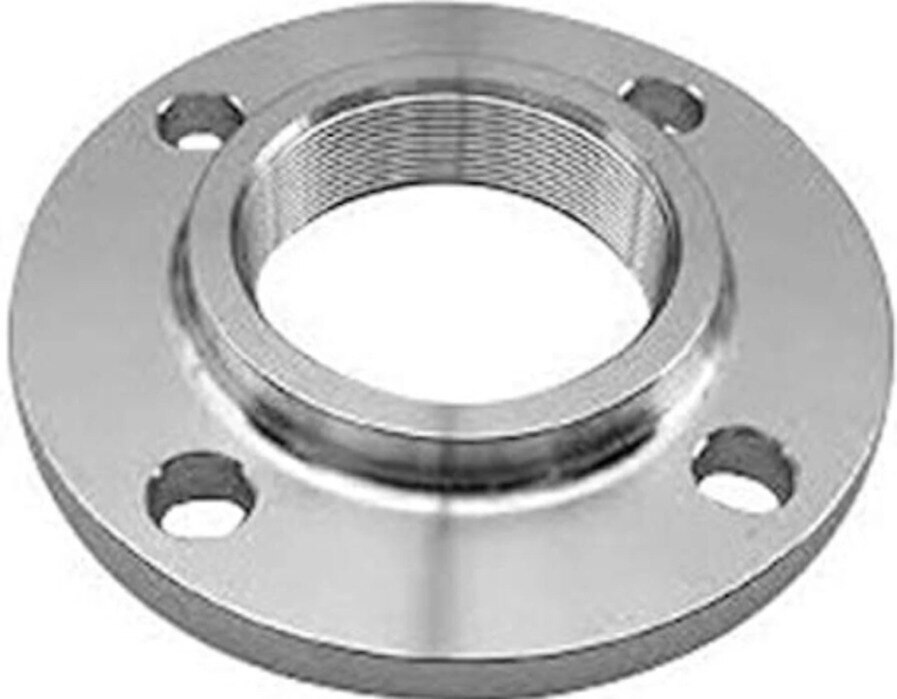
A threaded flange can shorten a wet-season repair only when the pipe, thread, pressure class, service fluid and site conditions support the connection. You will be able to screen the repair, reject unsafe applications, compare 304L with 904L, and specify a controlled installation and test sequence.
Key takeaways
- Match flange class, pressure, temperature and thread engagement to the existing line.
- Make the wet shutdown safe before opening or fitting a threaded connection.
- Use 904L for the documented corrosion mechanism, not simply harsher monsoon conditions.
- Record installation checks, gasket selection and pressure-test results.
Start with the line, not the flange material
Suitability depends on the complete line assembly, not on stainless steel alone. For stainless steel threaded flanges for monsoon repairs in ankleshwar, verify nominal pipe size, flange class, design pressure, temperature, process fluid, pipe material, thread engagement and gasket selection against the piping design.
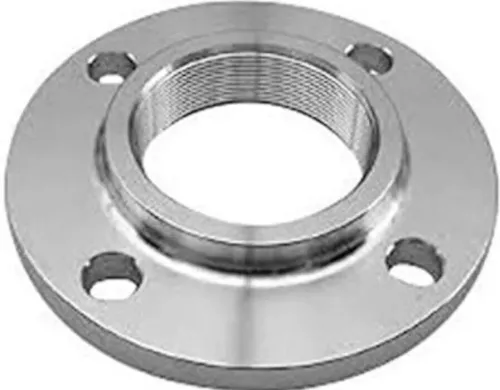
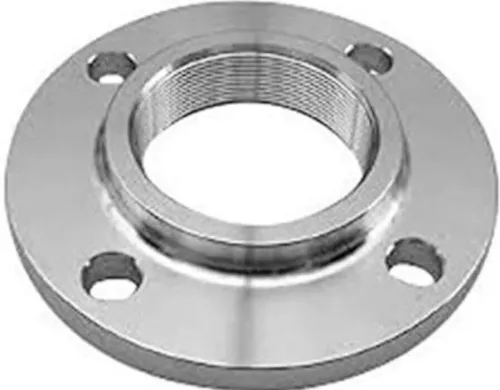
Check the flange marking and bore: it must contain the specified internal tapered or parallel thread, such as ASME B1.20.1 NPT, matching the pipe’s external thread.
Do not treat NPS 2 or Class 150 as sufficient proof; ASME B16.5 ratings change with material group and temperature, while ASME B31.3 requires checks for pressure, loads, corrosion and leakage.
- Confirm that the pipe has enough straight length and access for a threading machine without disturbing supports or adjacent equipment.
- Isolate, drain, depressurise and gas-test the line before cutting or threading; remove rainwater, residue and trapped liquid from the joint.
- Clean and dry the threads and faces. Water under insulation, flange guards, paint or dirt can form a crevice-corrosion site.
- Select a process-compatible sealant with no unacceptable chloride or sulfur contamination, and prevent excess from entering the line.
- Check whether the repair introduces a dead leg, extra support load or a rigid point in a vibrating or thermally cycling line.
| Option | Main technical concern | When it applies |
|---|---|---|
| Threaded flange | Thread capacity and sealant integrity | Dry, accessible, low-cycle repair without hot work |
| Socket-weld flange | Weld quality and heat input | Clean, qualified welded installation |
| Weld-neck flange | Stress, alignment and welding access | Severe pressure, vibration or thermal cycling |
Confirm the thread and make the wet shutdown safe
Read the flange marking, then inspect the bore: a threaded flange has an internal tapered or parallel pipe thread. Match that thread to the pipe standard, such as ASME B1.20.1 NPT; nominal size alone is not enough.
Confirm the pipe NPS, ASME B16.5 pressure class, design temperature, pipe material, gasket, bolting and process fluid as one assembly.
1. Isolate, lock out and depressurise the line. Drain trapped liquid and verify zero pressure before cutting or threading.
2. Check the pipe end with ultrasonic thickness measurement or another approved inspection method. Reject a corroded or locally thinned end; it may not retain the external thread or sufficient engagement.
3. Confirm access for a pipe-threading machine if the pipe stays in place. Remove the damaged end only after checking that rainwater, condensate and process residue cannot drain into the open line.
4. Dry and clean the pipe threads, flange bore and facing. Do not trap water beneath the gasket or leave grit on the sealing surfaces.
5. Match the sealant to the fluid, stainless steel, temperature and cleanliness requirements. Avoid chloride- or sulfur-bearing products, and keep excess sealant out of the line and away from the thread root.
During monsoon in Ankleshwar, use a cover and clean dry materials until assembly. Stop if the thread is damaged, engagement is short, or the flange cannot seat squarely; a wet, weakened connection can leak after tightening.
Know when a threaded repair creates more risk
A threaded flange creates more risk than it removes on toxic, flammable, high-cycle or severe-temperature services. It can loosen under vibration, lose containment after thermal cycling, or add an unacceptable leak path to a hazardous-fluid boundary.
| Service or condition | Why the repair is unsuitable | Safer decision |
|---|---|---|
| Toxic or flammable fluid | A threaded joint is harder to justify as the primary containment boundary | Use an engineered welded repair, spool or clamp |
| High vibration or repeated pressure cycling | Movement can loosen the pipe thread and fatigue the flange connection | Have the piping engineer design a welded or restrained solution |
| High temperature or rapid temperature changes | Differential expansion can unload the threads and gasket | Use the design specified for the thermal duty |
| Wet chloride-bearing service | Water, brine, cooling-water concentration and residues can drive crevice attack; 304L is vulnerable | Select a verified alloy or engineered replacement |
| Poor thread engagement, damaged threads or forced alignment | The joint carries uneven load and leaks despite tight-looking faces | Recut or replace the pipe section |
| Inaccessible, buried or poorly supported piping | You cannot inspect, retighten or detect a developing leak | Use a repair that remains accessible and properly supported |
Sealant must match the fluid, temperature and thread standard. Apply it only to clean, dry threads; excess sealant can enter the bore, contaminate the process or mask damaged threads. Sealant cannot compensate for short engagement or a mismatched NPT thread.
Stainless threads can gall during assembly. Use the specified compatible lubricant and turn the flange smoothly; forcing a seized thread can tear the thread flank. Tightening also matters: too little torque leaves a leak path, while too much strips threads, distorts the flange or crushes the gasket.
A controlled cross-pattern and specified procedure are essential for non welded flange repairs.
Choose between 304L and 904L by corrosion mechanism
304L threaded flanges provide enough corrosion resistance for clean water, ordinary atmospheric exposure and many general chemical services where chloride contamination and acid attack are controlled.
Do not choose them from pressure and temperature alone: chloride-bearing wash water, brine, concentrated cooling water or trapped chemical residue can cause pitting and crevice corrosion at threads and gasket gaps.
| Service condition | Preferred material | Decision point |
|---|---|---|
| Clean utility water or mild chemical service | 304L | Confirm no chloride concentration, acid carryover or stagnant crevices |
| Wet chloride exposure, brine or contaminated cooling water | Review 904L or another alloy | 304L becomes vulnerable even at modest temperature |
| Sulfuric-acid service | 904L after compatibility review | Check acid concentration, temperature, oxidizing conditions and contaminants |
| Benign temporary utility repair | 304L | 904L adds cost without a corrosion-based reason |
904L threaded flanges are justified when the documented mechanism is severe chloride attack or a sulfuric-acid service that exceeds 304L’s practical resistance. Its chromium, nickel, molybdenum and copper content improves resistance, but 904L is not immune to every concentration, temperature or crevice condition.
Whether you source from Chirag Steel or another supplier, request evidence that identifies the actual heat and grade:
- EN 10204 3.1 inspection certificate
- ASTM A182 F304L or F904L designation, heat number and chemical analysis
- Chromium, nickel, molybdenum and copper results for 904L
- Mechanical test results, PMI confirmation and flange standard, class and facing
Match that certificate to the stamped flange and purchase order; a generic “stainless steel” certificate cannot prove suitability.
Related products
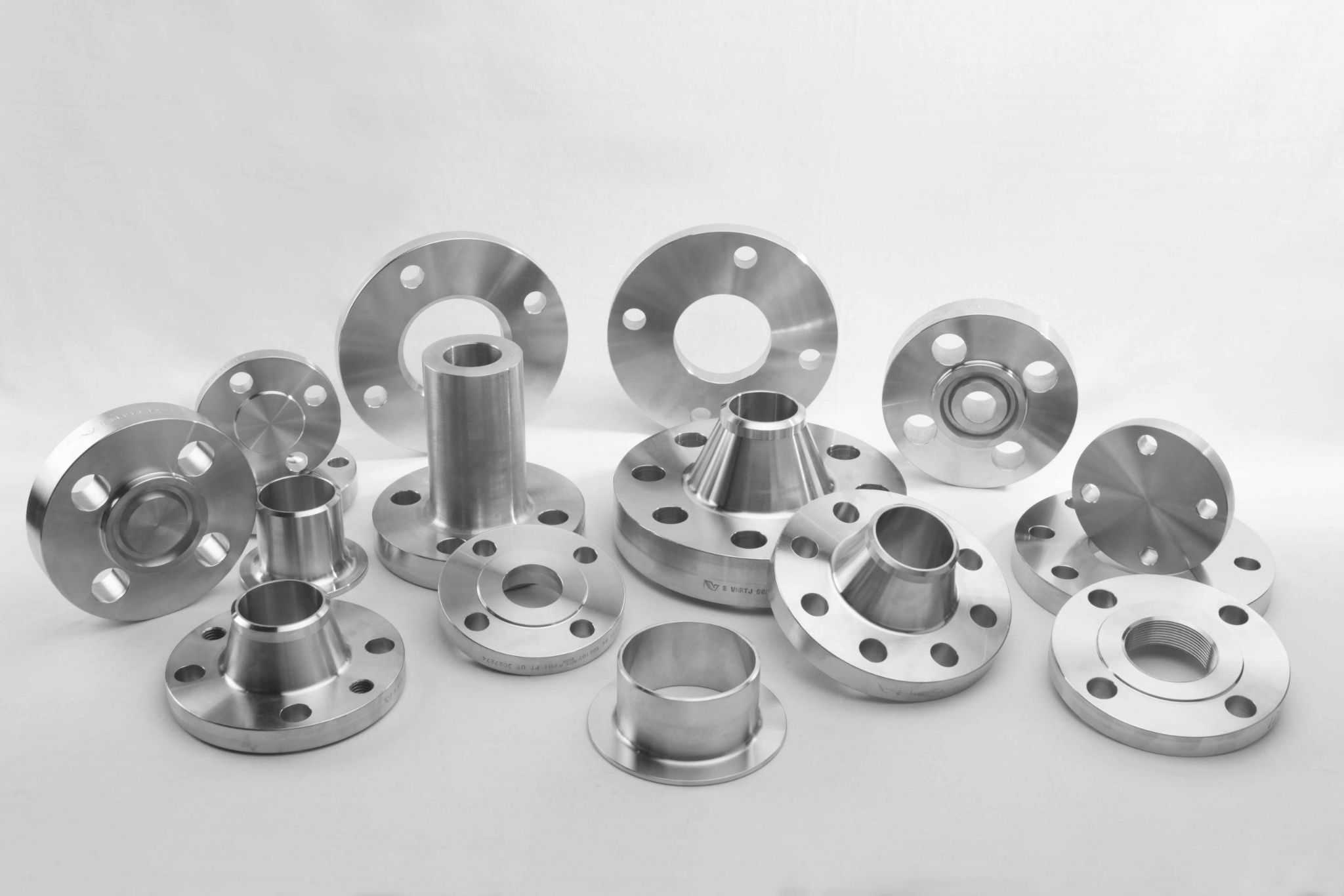 | Stainless Steel Flanges PED Steel Flanges / Weld Neck Flanges / ASTM A 182 Stainless Steel WNRF Flanges,Din Standard Flanges; DIN... View product → |
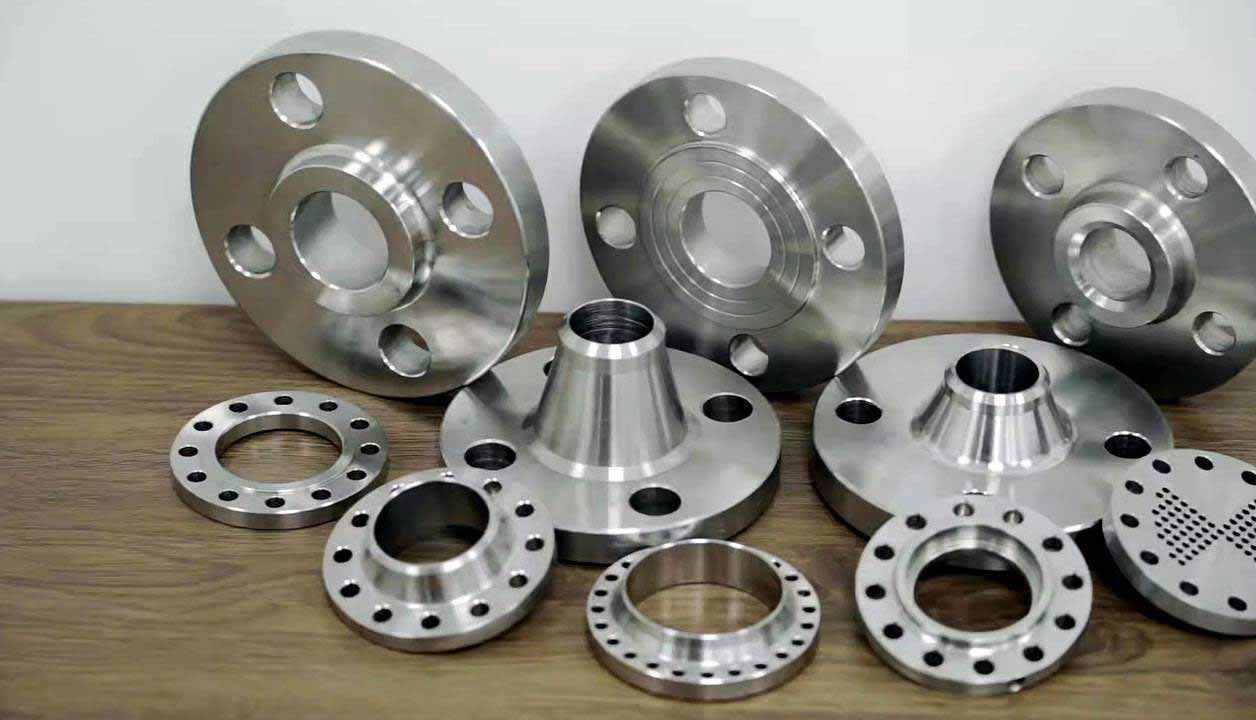 | Stainless Steel Flanges Manufacturer of ASTM A182 F304L Slip on and WNRF Flanges in India Stainless Steel 304L Flanges 304L Stainless Steel Flanges are made up of 304L... View product → |
Use a documented installation and test sequence
Record the repair number, line identification, fluid, design pressure and temperature, flange class, gasket, sealant and tightening procedure before work starts. The supervisor should sign each hold point.
1. Isolate the line using the approved permit and lockout procedure. Close and lock the correct valves, depressurise through the designated drain or vent, drain the low points, and verify zero pressure with a gauge and a controlled opening. Treat residual liquid as hazardous until sampling or the operating procedure proves otherwise.
2. Remove the damaged joint and inspect the pipe end. Reject threading if the wall is thinned, oval, cracked or contaminated. Remove rainwater, process residue, rust and loose scale; dry the thread and flange bore completely.
3. Fit the flange without forcing the pipe into alignment. Confirm the pipe thread matches the flange thread standard, such as ASME B1.20.1 NPT, and obtain the specified engagement. Install the approved gasket, compatible sealant and bolting, then tighten in the documented cross-pattern sequence.
4. Complete a visual and dimensional hold-point check. Confirm flange faces are parallel, the gasket is centred, no thread is exposed beyond the permitted engagement, supports are restored and the joint does not impose a new pipe load.
5. Test the isolated boundary using the approved ASME B31.3 procedure: use a hydrostatic pressure test where practicable, or the authorised pneumatic or leak-test method when water is unsuitable. Use calibrated gauges, record test pressure, duration, medium and result, and inspect for seepage only after depressurising.
6. Drain, dry and clean the line, remove blinds or test equipment under permit, reinstate insulation and instruments, then introduce service gradually while checking the joint. A tight flange face alone is not acceptance evidence.
Frequently asked questions
What must you confirm before using threaded flanges for monsoon repairs in Ankleshwar?
Confirm nominal pipe size, flange class, design pressure, temperature, process fluid, pipe material, thread engagement and gasket selection against the piping design.
When can threaded flanges create more risk than a welded repair?
They create more risk when the line cannot be isolated and drained safely, when thread engagement is inadequate, or when the connection does not suit the line’s pressure, temperature or service conditions.
Should you choose 304L or 904L threaded flanges?
Choose between 304L and 904L by the actual corrosion mechanism and process-fluid exposure. Monsoon moisture alone does not determine the grade.
What should a documented non-welded flange repair include?
Record the identification and condition of the line, thread and gasket checks, installation sequence, tightening details, inspection results and pressure-test outcome.
Related product
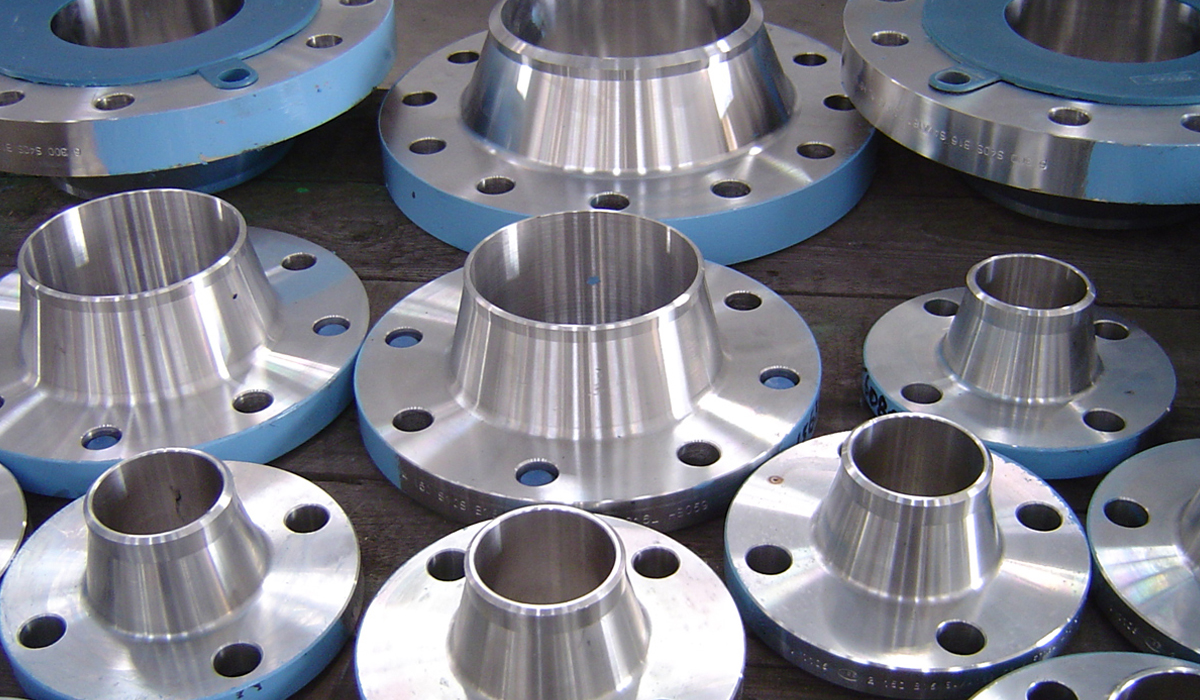 | Stainless Steel Flanges Manufacturer – Chirag Steel Chirag Steel is a leading Stainless Steel 904L Flanges Manufacturer, Supplier, and Exporter, offering premium-quality... View product → |