
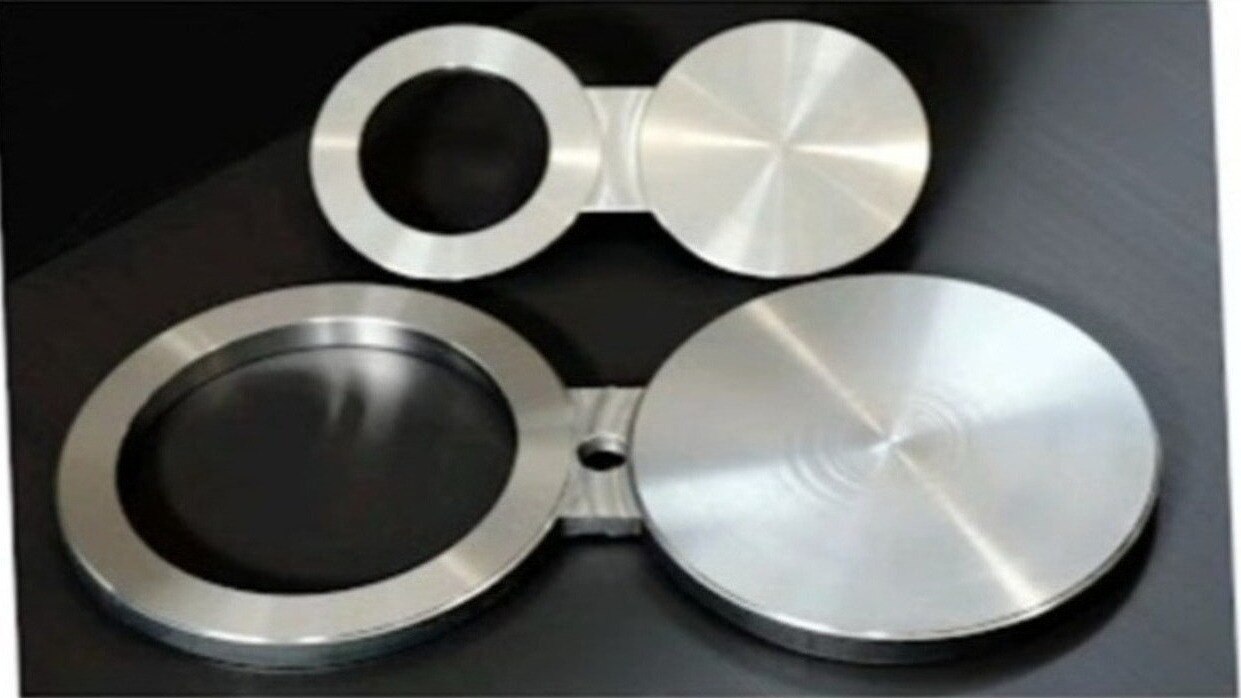
A long weldneck flange is not interchangeable with an ordinary weld-neck flange merely because both use a butt-weld connection. By comparing geometry, dimensional fit, pressure-temperature ratings, materials, fabrication controls, and supplier documentation, you can select the correct flange and reject quotations that hide an incorrect bore, facing, grade, or standard.
Key takeaways
- Match flange standard, NPS, schedule, facing, bore, and pressure class before cutting pipe.
- Choose a long weldneck flange when a smooth bore transition and reduced weld stress justify added length.
- Confirm temperature rating and stainless steel grade together; pressure class alone does not prove suitability.
- Compare quotations using drawings, inspection documents, machining details, packing, and delivery terms.
How a long weldneck flange compares with other flange types
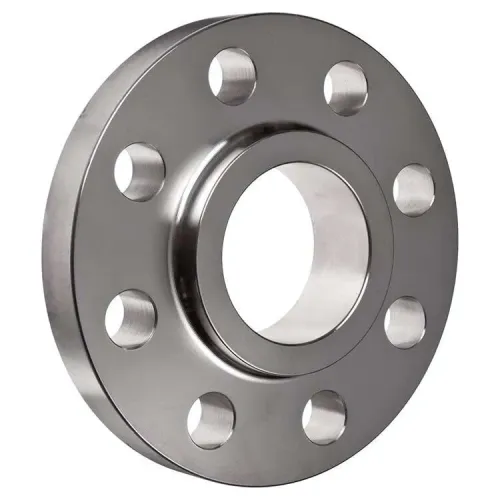
The long weldneck flange uses an integral tapered hub and extended neck to move the butt weld away from the flange face. That gradual bore transition reduces an abrupt stress change, but increases weight, face-to-end length, weld-end preparation, and the chance of an incorrect pipe cut length.
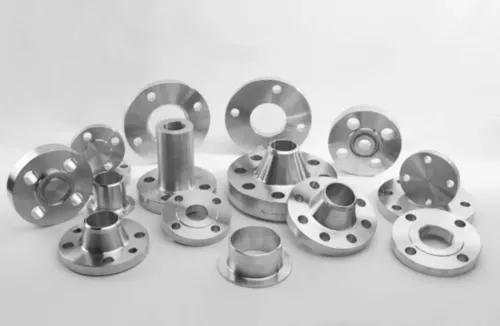
| Type | Fabrication difference | Practical trade-off |
|---|---|---|
| Long weldneck | One butt weld; longer, heavier assembly; harder handling and alignment | Strong choice for high-pressure, high-temperature, cyclic, or alignment-sensitive lines |
| Standard weld-neck | Shorter tapered hub and closer butt weld; familiar fit-up and lower material use | Easier to source and install when the extra neck length is unnecessary |
| Slip-on | Pipe passes through the flange and receives external fillet welds, often with an internal weld | Faster alignment and lower weld skill demand, but less suitable for severe cyclic or high-pressure service |
| Socket-weld | Pipe seats in a socket and receives an external fillet weld; small-bore access is limited | Compact and convenient for small sizes, but the socket gap and crevice need careful control |
| Lap-joint | Loose flange rotates over a welded stub end | Fast bolt-hole alignment and economical for frequent dismantling, but not a substitute for a rigid high-pressure connection |
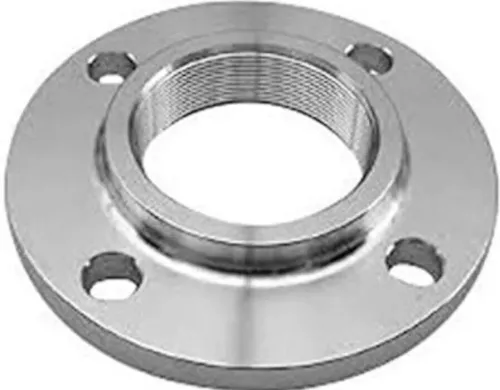
| Threaded | No welding; threads engage the pipe | Quick for small, low-temperature service, but thread leakage and limited pressure capability restrict use |
| Blind | Solid flange closes a pipe end or nozzle | No pipe weld; useful for isolation and testing, but adds bolt-load and access requirements |
Key long weldneck flange benefits apply only when the bore, neck length, facing, and pipe wall match the approved design. Include those details in the long weldneck flange fabrication comparison and verify ASME B16.5 or the specified standard before cutting pipe.
Which dimensions and standards must match before fabrication
Nominal size alone does not prove fit. Confirm the pipe outside diameter, wall thickness, schedule, required bore, and the long weldneck’s face-to-end length against the approved isometric and flange drawing; an extended neck can change the pipe cut length and weld location.
Use this fabrication check before releasing material:
- Match the flange bore to the specified pipe bore and weld-end thickness. A mismatch creates an internal step or an unsuitable weld transition.
- Match outside diameter, bolt-circle diameter, bolt-hole count, and hole diameter to the mating flange.
- Match raised-face or RTJ dimensions, groove details, and surface finish to the gasket and mating flange. Check the gasket standard, such as ASME B16.20 or ASME B16.21.
- Match the pressure class, temperature rating, material grade, and approved piping-class line item. A stainless steel flange options list is not a piping specification.
- Confirm the hub diameter, neck length, flange thickness, marking, and required cut length on the approved drawing.
- Require the complete designation: NPS, class or PN, facing, ASTM A182 grade, bore or schedule, dimensional standard, and documentation requirements.
| Standard | Verify | Stop if |
|---|---|---|
| ASME B16.5 | NPS 1/2–24 dimensions, ratings, facing, holes | The quoted size exceeds NPS 24 |
| ASME B16.47 | Large-diameter flange dimensions and drilling | A B16.5 quotation is used above NPS 24 |
| EN 1092-1 or DIN | PN rating, drilling, facing, and dimensions | It is mixed with ASME drilling without approval |
Keep ASTM A182 for material separate from the dimensional standard, and require PMI, heat, traceability, and any NDE specified by the project.
How class, facing, temperature, and material change the choice
Compare the complete pressure designation, not just “stainless steel long weldneck flange.” The permitted pressure falls as temperature rises and changes with the flange material group, so Class 300 is not one universal pressure limit.
| Option | What it means | Selection consequence |
|---|---|---|
| ASME Class 150–2500 | Pressure-temperature rating under ASME B16.5 | Verify the class against grade and design temperature; never treat the number as pressure in bar |
| PN 6–PN PN 40 | EN nominal pressure designation under EN 1092-1 | Do not assume PN40 equals Class 300; confirm dimensions, rating tables, and the project standard |
| RF | Raised-face flange using a gasket across the raised face | Match gasket type, facing finish, bolt load, and the approved piping class |
| RTJ | Ring-type joint groove and metal ring gasket | Use only with matching groove and ring; substituting RF changes the connection system |
ASTM A182 identifies the forged or rolled material, while ASME B16.5 controls dimensions, facing, marking, tolerances, and ratings. Compare A182 F304L or F316L for general corrosion service, F321 or F347 for specified elevated-temperature or sensitisation concerns, and the project corrosion basis before choosing among stainless steel flange options.
Ask the supplier to state:
- NPS, ASME class or PN designation, RF or RTJ facing, A182 grade, design temperature, bore, schedule, and applicable standard.
- Heat-treatment condition, PMI, mill test certificate, heat number, required NDE, and traceability.
- WPS/PQR basis, stainless purge and cleaning controls, interpass limits, PWHT, and weld examination requirements.
The long weldneck flange benefits matter only when those details align with the process service; its tapered hub and extended neck do not correct an unsuitable rating, facing, or grade.
What welding and shop controls protect the pressure boundary
A sound long weldneck flange fabrication comparison starts with the weld as part of the pressure boundary, not as a minor attachment. Check the approved drawing for pipe cut length, neck length, bore transition, flange orientation, and root gap before fit-up; an ordinary weld-neck dimension can place the butt weld in the wrong location.
- Match the flange bore to the pipe outside diameter, wall thickness, and specified internal diameter. Remove scale, oil, moisture, and carbon-steel contamination with dedicated stainless tools, then clamp without forcing alignment.
- Use the project construction code, qualified WPS/PQR, and currently qualified welder. Record filler-metal batch, purge-gas identity, preheat or interpass limits where specified, heat input controls, and any required PWHT.
- Maintain an inert purge through root welding until the procedure permits its removal. Poor purging can leave heavy oxidation inside the bore, reducing corrosion resistance and creating a rough flow path.
- Complete the specified examination, such as visual testing, liquid penetrant testing, radiography, or ultrasonic testing. Do not accept a flange because the weld looks even; examination requirements come from the code and piping class.
- Protect the RF face or RTJ groove with covers during grinding, handling, and transport. Store the flange and pipe dry, separated from carbon steel, and free from impact damage.
Keep heat numbers on the flange, pipe, filler metal, and weld map. Link them to the material test certificates, WPS, welder identity, inspection reports, repair records, and final dimensional check; missing traceability can invalidate an otherwise acceptable weld.
How to compare flange quotations from Ankleshwar suppliers
A low piece price is not a like-for-like offer. Fabricators in Ankleshwar comparing stainless steel long weldneck flanges should score each quotation against one compliance matrix, not against kilograms or unit price.
Fabricator flange sourcing in Ankleshwar becomes risky when the RF face, bore, heat number, or delivery activity disappears into “standard supply.” Ask for the complete designation: NPS, ASME class, RF or RTJ, ASTM A182 grade, pipe schedule or bore, neck length, thickness, dimensional standard, and marking or coating.
| Quotation area | Record in the matrix | Price trap |
|---|---|---|
| Design and fit | ASME B16.5 or ASME B16.47, NPS, class, facing, bore, length, bolt circle, holes, and finish | “NPS only” can conceal the wrong bore or RTJ geometry |
| Material and evidence | ASTM A182 grade, heat number, PMI, heat treatment, EN 10204 3.1 MTC, and required NDE | Naming A182 alone does not prove traceability or testing |
| Supply and timing | Gasket, bolting, inspection, packing, marking, dispatch date, and approved-document date | A low flange price may exclude accessories or documentation |
Before awarding the order:
- Require the supplier to state whether the weld-end preparation follows the project WPS/PQR and whether PWHT, purge controls, and NDE belong to the flange scope or fabrication scope.
- Reject substitutions between RF and RTJ unless the piping class, gasket, bolting, and approval are revised together.
- Ask Chirag Steel, or any competing supplier, to price each excluded item separately so delivery risk remains visible.
Related products
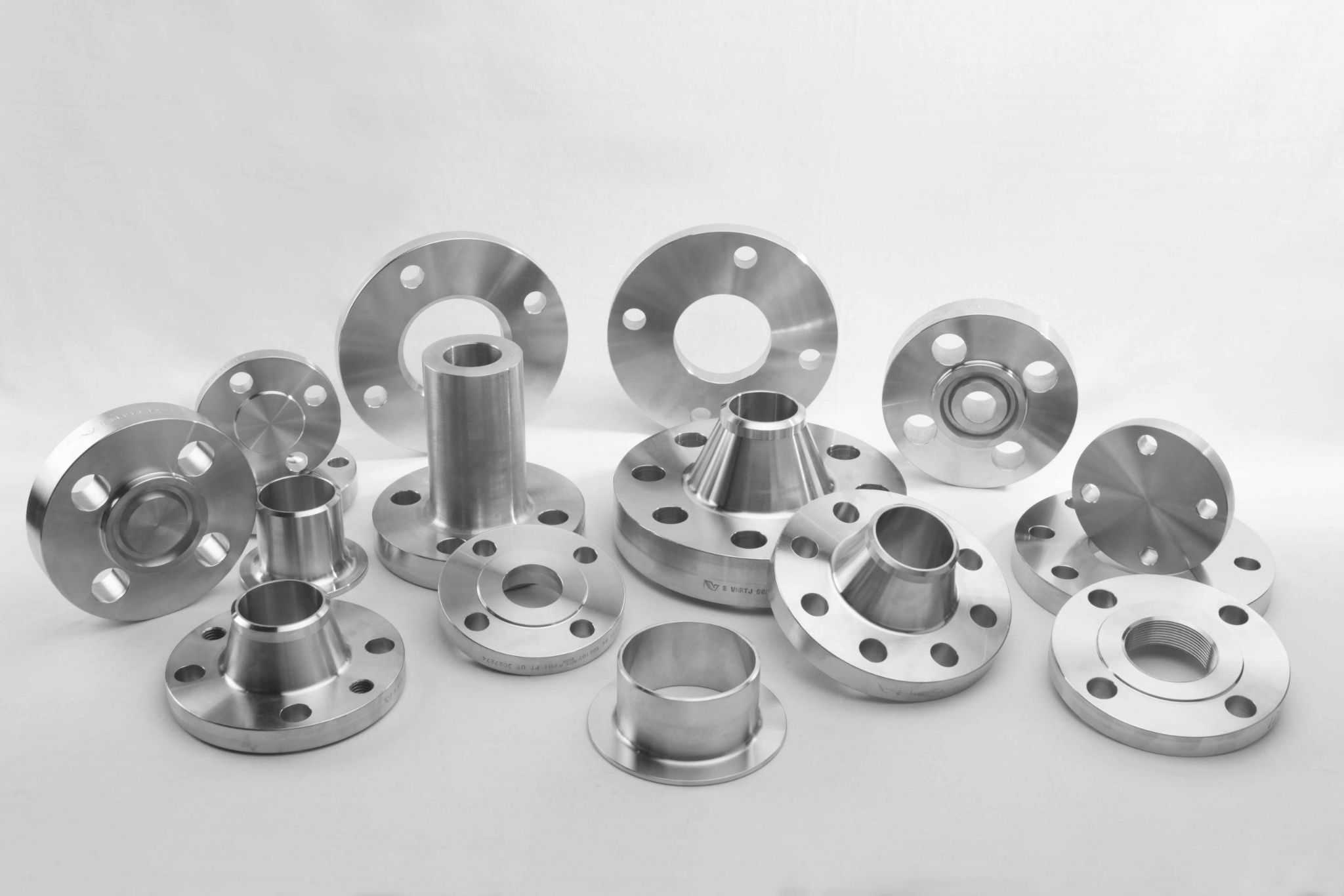 | Stainless Steel Flanges PED Steel Flanges / Weld Neck Flanges / ASTM A 182 Stainless Steel WNRF Flanges,Din Standard Flanges; DIN... View product → |
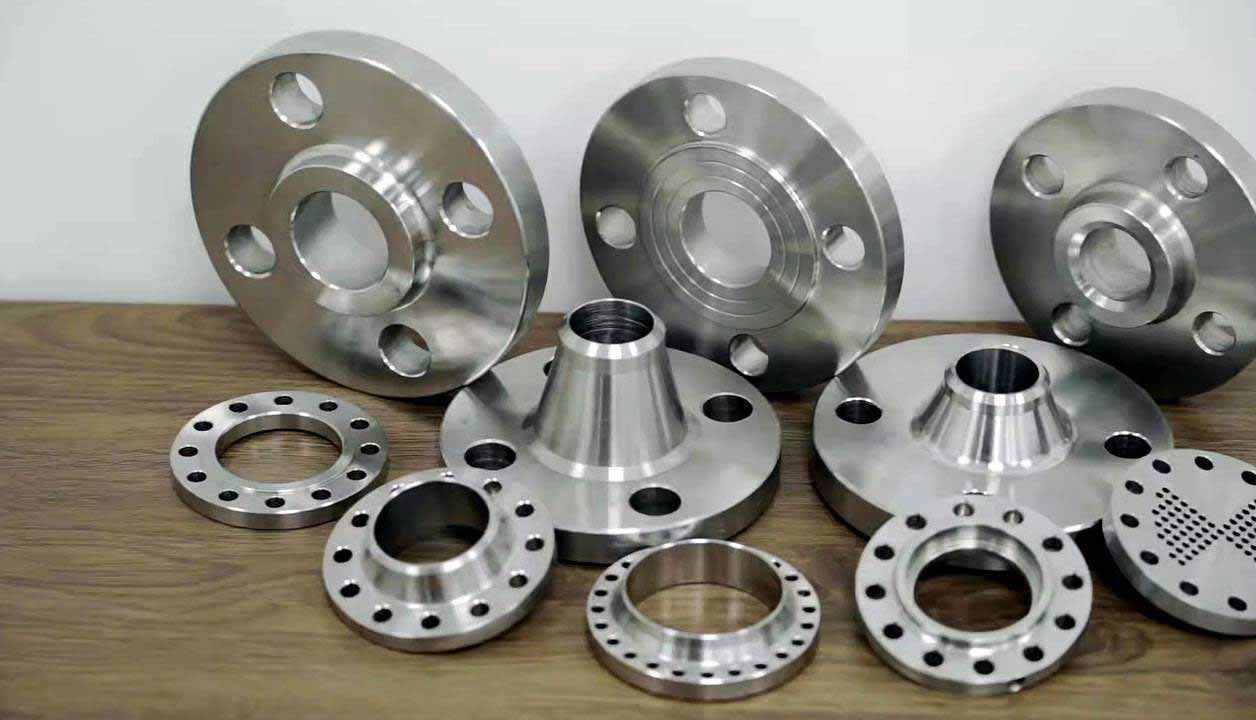 | Stainless Steel Flanges Manufacturer of ASTM A182 F304L Slip on and WNRF Flanges in India Stainless Steel 304L Flanges 304L Stainless Steel Flanges are made up of 304L... View product → |
Frequently asked questions
How does a long weldneck flange compare with other flange types?
Its integral tapered hub and extended neck move the butt weld away from the flange face and provide a gradual bore transition. It adds weight, length, weld preparation, and stricter pipe-cutting requirements compared with shorter-hub options.
Which dimensions and standards must match before fabrication?
Match the flange standard, nominal pipe size, schedule or bore, outside diameter, bolt circle, bolt-hole diameter and quantity, flange thickness, facing, and face-to-end length. Confirm compatibility with the mating flange and the pipe drawing before cutting.
How do class, facing, temperature, and material affect selection?
Pressure class is only one part of selection. Check the specified temperature rating, facing type, stainless steel grade, corrosion conditions, wall thickness, and design code together because each affects pressure capacity and joint compatibility.
What welding and shop controls protect the pressure boundary?
Use the approved welding procedure, qualified welders, correct filler metal, controlled fit-up, bore alignment, heat input, cleaning, and inspection. Protect the flange face and verify the finished weld against the drawing and inspection plan.
How should fabricators compare flange quotations from Ankleshwar suppliers?
Compare identical technical descriptions, including standard, size, class, facing, material grade, bore, dimensions, testing, inspection documents, marking, packing, delivery date, and exclusions. Ask suppliers to identify deviations rather than comparing only unit prices.
Related products
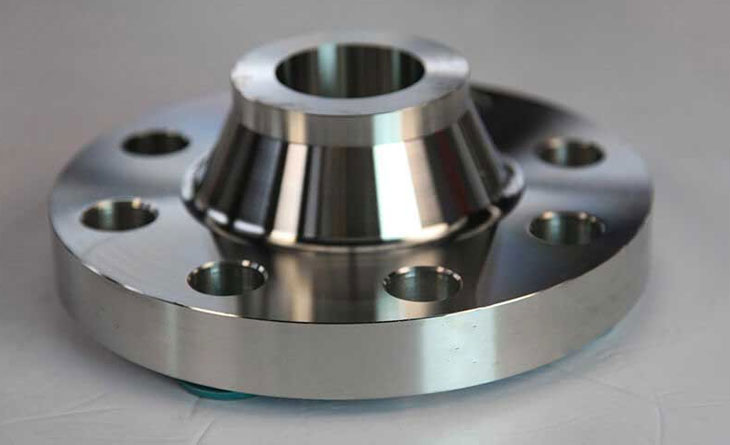 | Stainless Steel Flanges ASTM A182 F316 Blind flange and Weld Neck Flanges Manufacturer in India Stainless Steel 316 Flanges 316 Stainless Steel Flange Dimensions differ from... View product → |
 | Stainless Steel Flanges Manufacturer – Chirag Steel Chirag Steel is a trusted and reliable Stainless Steel 316L Flanges Manufacturer, Supplier, and Exporter, offering... View product → |
 | Stainless Steel Flanges Manufacturer – Chirag Steel Chirag Steel is a leading Stainless Steel 904L Flanges Manufacturer, Supplier, and Exporter, offering premium-quality... View product → |
 | Stainless Steel Flanges ASTM A182 F304 Blind Flange Dimension and A182 Grade F304 Slip on Flange pressure classs Great Steel & Metals is a supplier of all types of 304... View product → |